
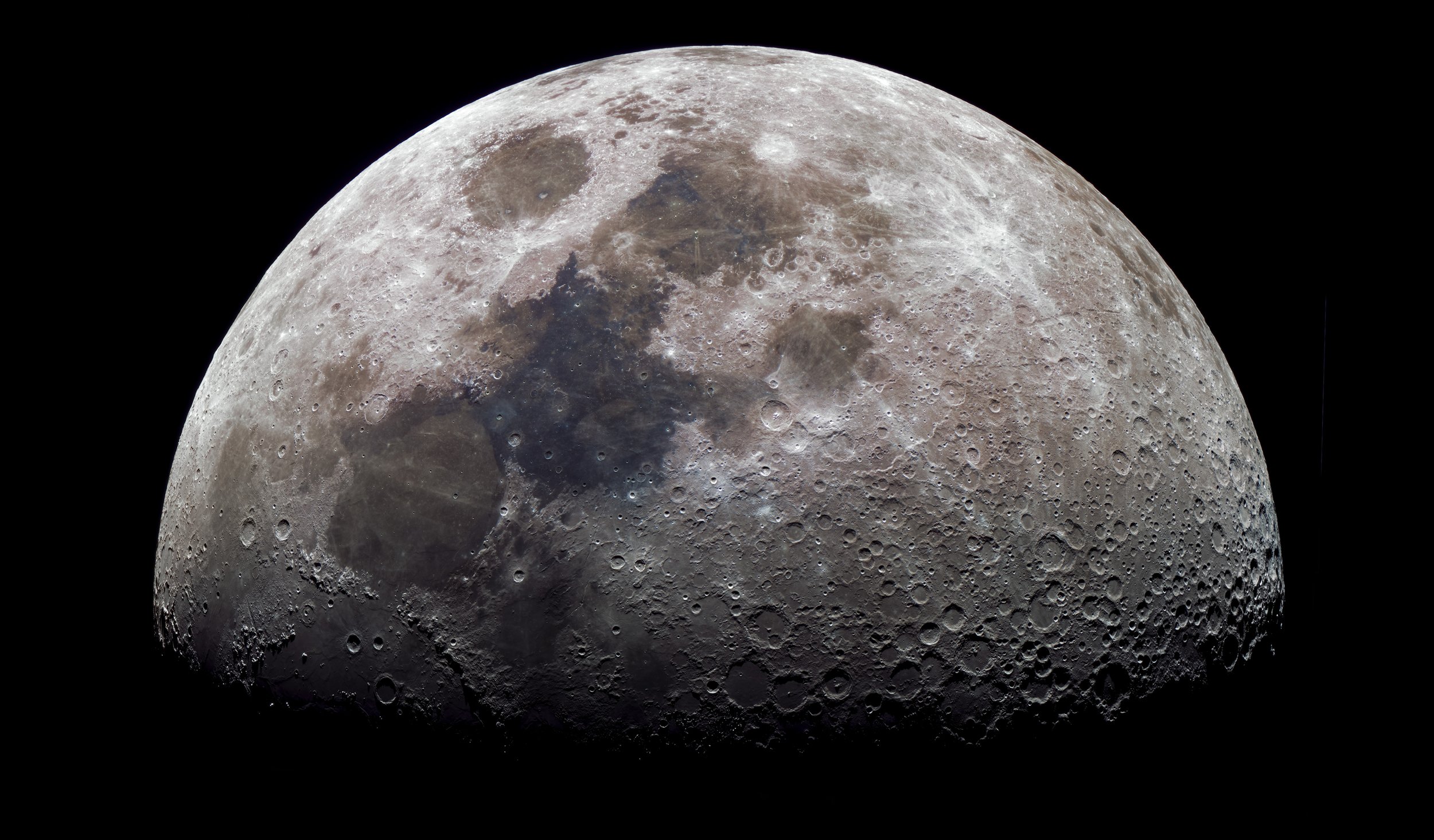
The Moon — Our Nearest Neighbour
The Moon is Earth’s closest celestial neighbour and one of the most versatile subjects in astrophotography. It can be photographed rising above a landscape, framed within twilight skies, or captured in detailed close-ups revealing craters, mountains, and ancient lava plains.
For meaningful lunar landscapes, moderate telephoto lenses — typically 85mm and above — are needed to give the Moon a noticeable presence in the frame. Even then, it often serves as part of the composition rather than the dominant subject.
For detailed surface imaging, longer focal lengths are essential. Telescopes or long telephoto lenses allow fine structures to be resolved, and high frame-rate video capture is often used to stack thousands of frames and overcome atmospheric turbulence.
Unlike most deep-sky objects, the Moon is bright and can be photographed successfully even from the brightest urban locations. Atmospheric stability (good seeing) is more important than dark skies.
All lunar images in this gallery are based on real exposures captured from Earth. High-resolution close-ups may involve stacking thousands of video frames to reduce atmospheric distortion and improve detail. Lunar landscapes may include exposure blending to balance brightness between the Moon and the foreground.
No artificial surface detail, AI-generated elements, or composited lunar features have been added. The Moon appears as it was recorded at the time of capture.

3-day-old Moon above landscape in Andalucia (Spain) – captured with a Sony A7RIV astromodified camera and a Sigma 150-600mm lens. HDR Moon with foreground composite. Image by Cosmic Captures

Mineral Moon in iridescent clouds – clouds captured with a Sony A7RIV astromodified camera and a Sony 200-600mm lens. Mineral Moon shot with the same camera behind a Celestron EdgeHD 9.25 at f10. Moon and cloud composite. Image by Cosmic Captures
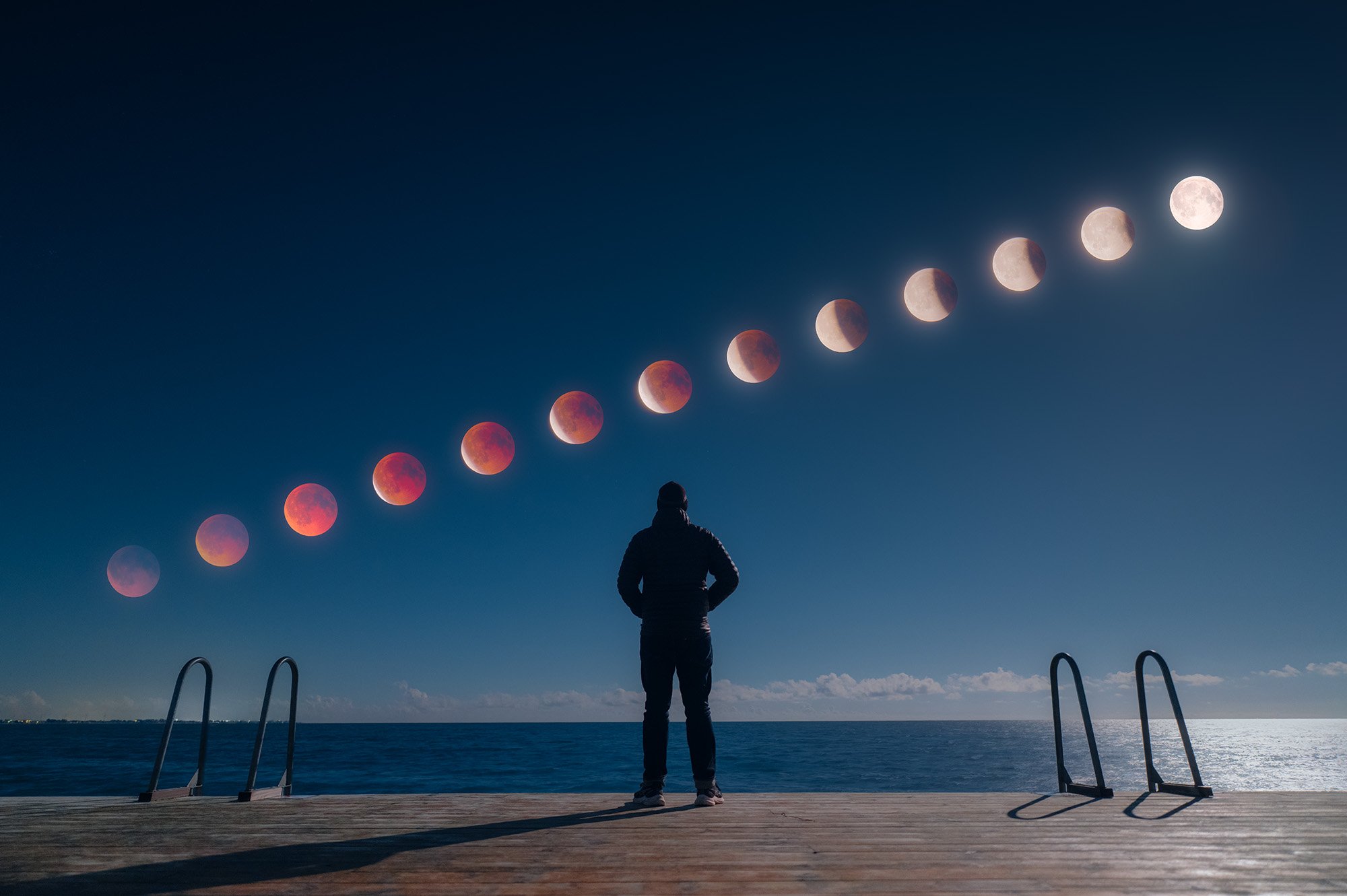
Phases of the September 2025 total lunar eclipse above the Baltic Sea (Sweden) – captured with a Sony A7RIV astromodified camera. Moon images shot with a Sony 200-600mm lens and the foreground with a Sony 24mm f1.4 lens. Moon phases time blend with foreground composite. Image by Cosmic Captures
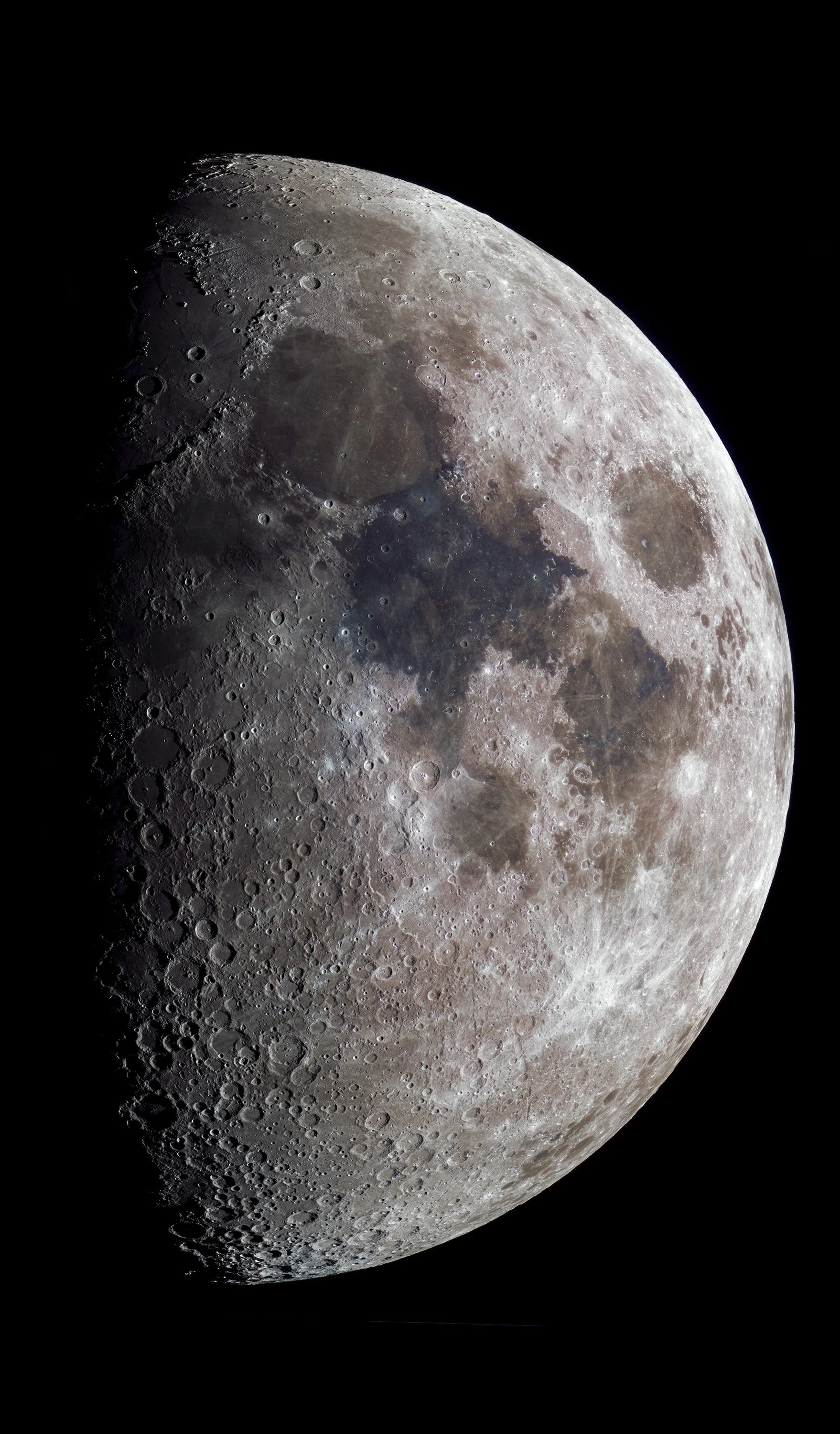
Super-high-resolution Moon mosaic – captured with a ZWO ASI715MC astro camera behind a Celestron EdgeHD 9.25 at f10. The mosaic is a result of tens of thousands of individual video frames stacked and stitched together. Image by Cosmic Captures

HDR capture of a full Moon in thin clouds – captured with a Sony A7RIV astromodified camera and a Sony 200-600mm lens. HDR Moon and cloud composite. Image by Cosmic Captures
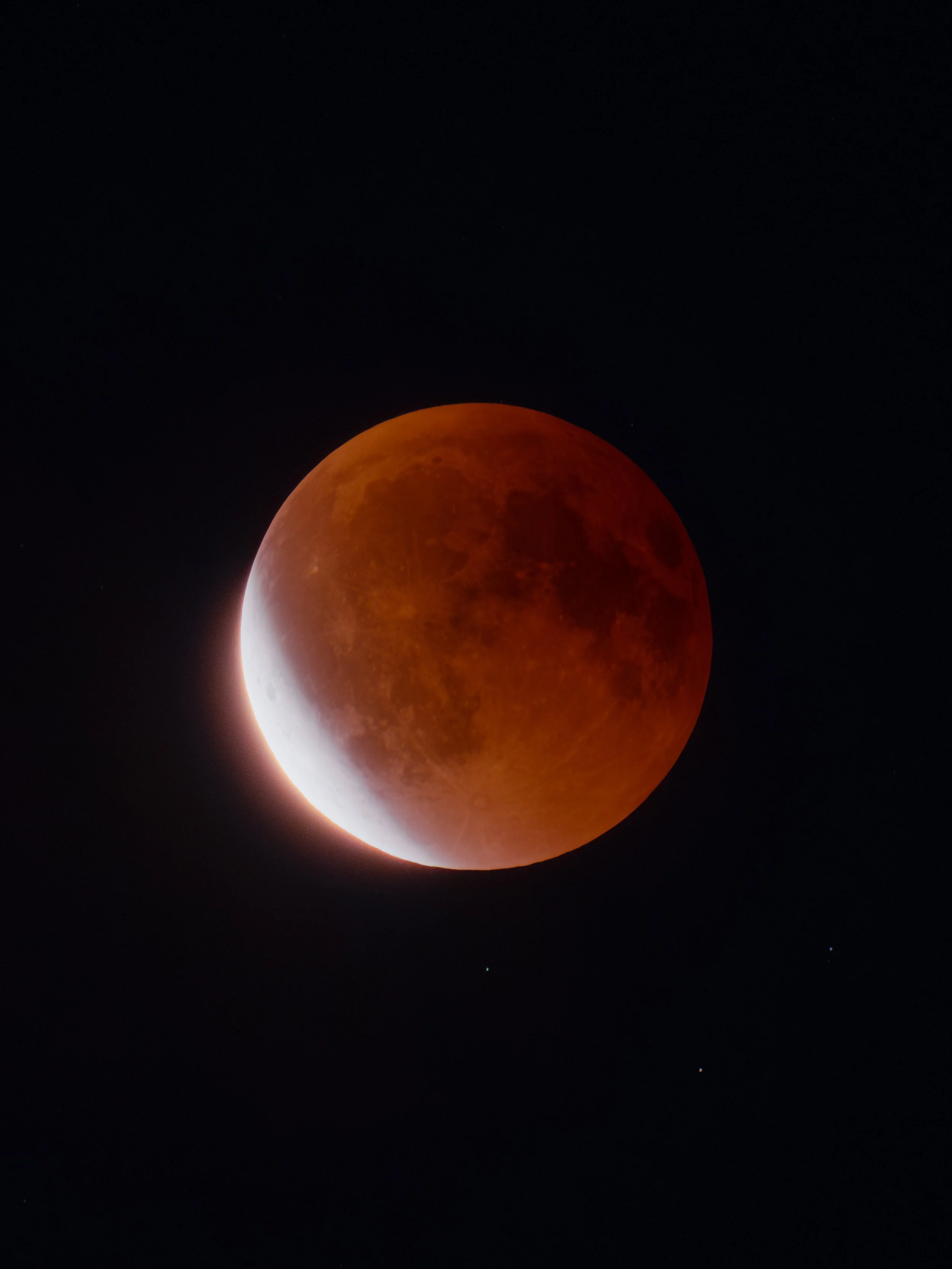
Partial phases of the September 2025 total lunar eclipse – captured with a Sony A7RIV and a Sony 200-600mm lens. Exposure bracketing HDR Moon composite. Image by Cosmic Captures

Mineral Moon – captured with a Sony A7RIV on a Celestron EdgeHD 9.25 at f10. Colour-enhanced Moon composite. Image by Cosmic Captures
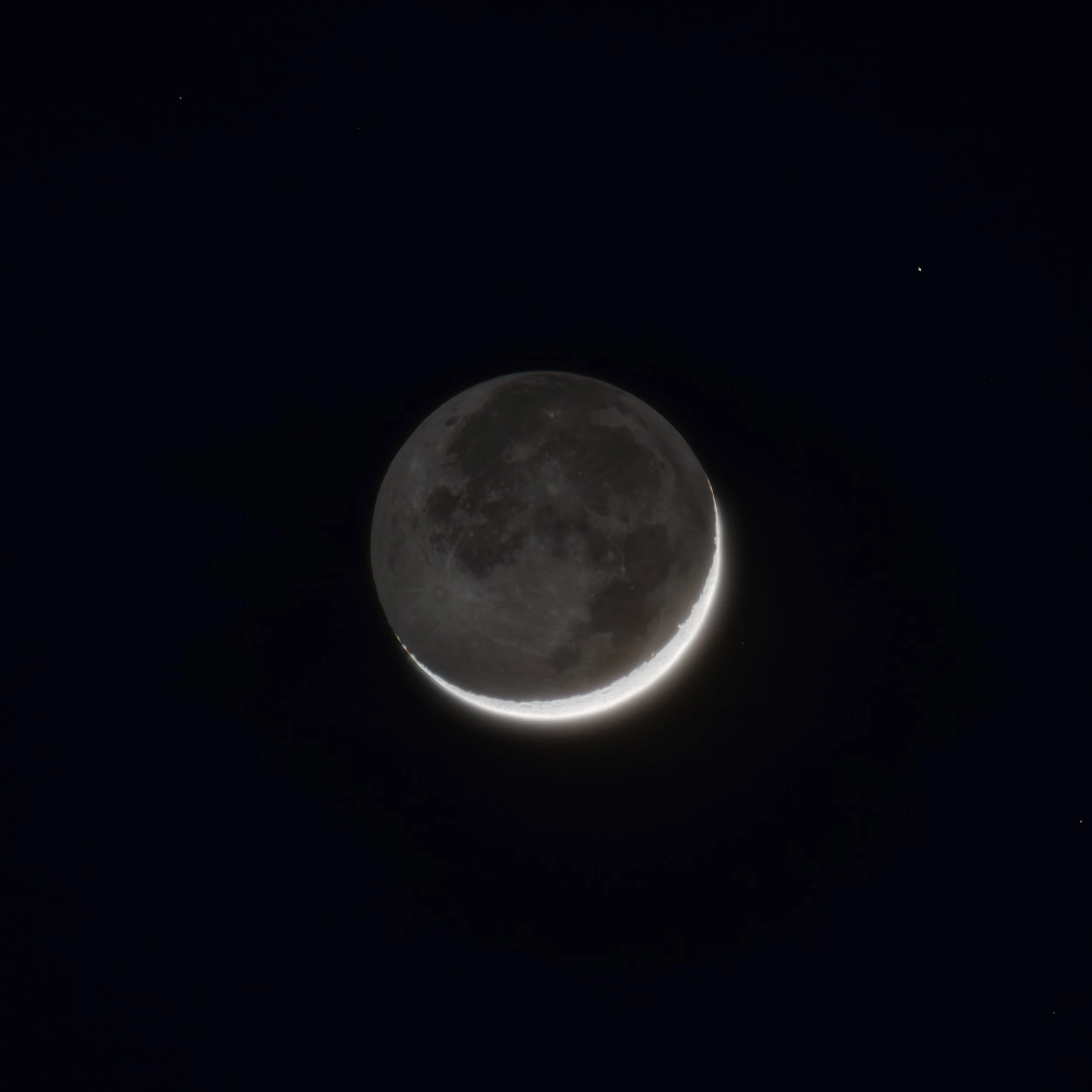
3-day-old Moon – captured with a Sony A7RIV astromodified camera and a Sony 200-600mm lens. HDR Moon composite. Image by Cosmic Captures

Rising September 2024 Super Moon – captured with an iPhone 15Pro Max behind an 8x42 binocular. Image by Cosmic Captures

Lunar south pole region – captured with a QHY462 mono astro camera on a Celestron EdgeHD 9.25 at f10. Lucky imaging technique. Image by Cosmic Capures
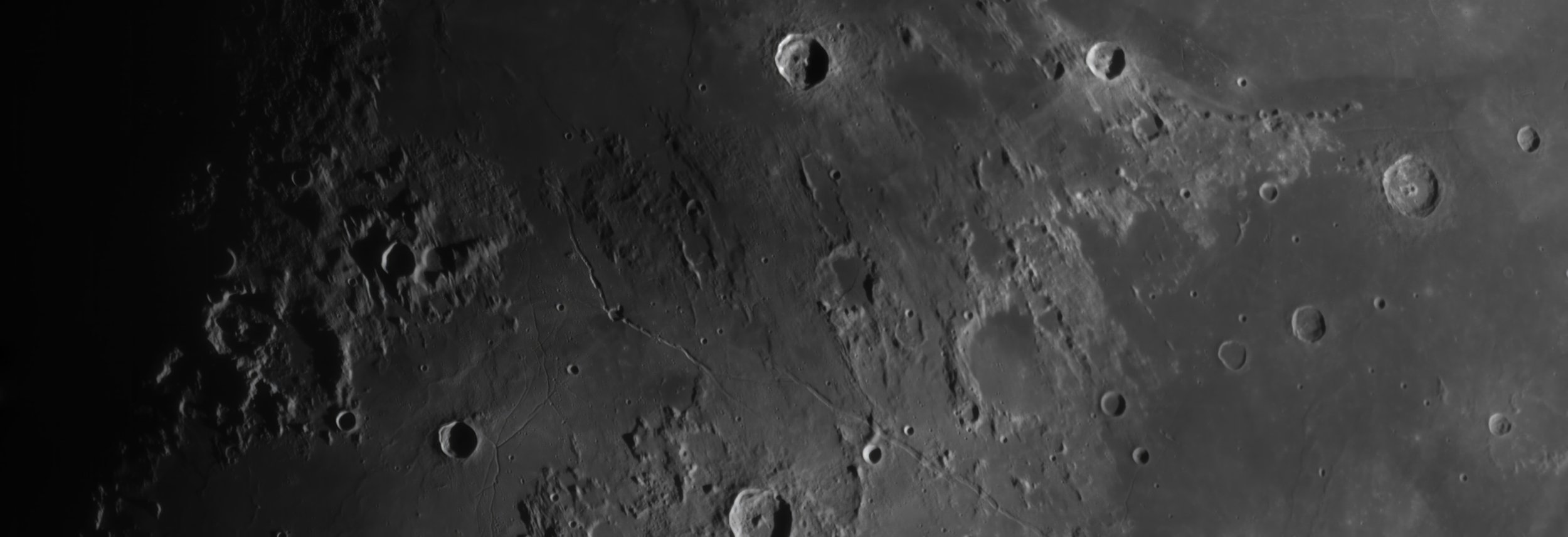
Rima Hyginus region – captured with a QHY462 mono astro camera on a Celestron EdgeHD 9.25 at f10. Lucky imaging technique. Image by Cosmic Capures

HDR Moon composite – captured with a Sony A7RIV on a Celestron EdgeHD 9.25 at f10. Colour-enhanced Moon composite. Image by Cosmic Captures

The crater Aristarchus (the brightest large formation on the Moon) – captured with a QHY462 mono astro camera on a Celestron EdgeHD 9.25 at f10. Lucky imaging technique. Image by Cosmic Capures
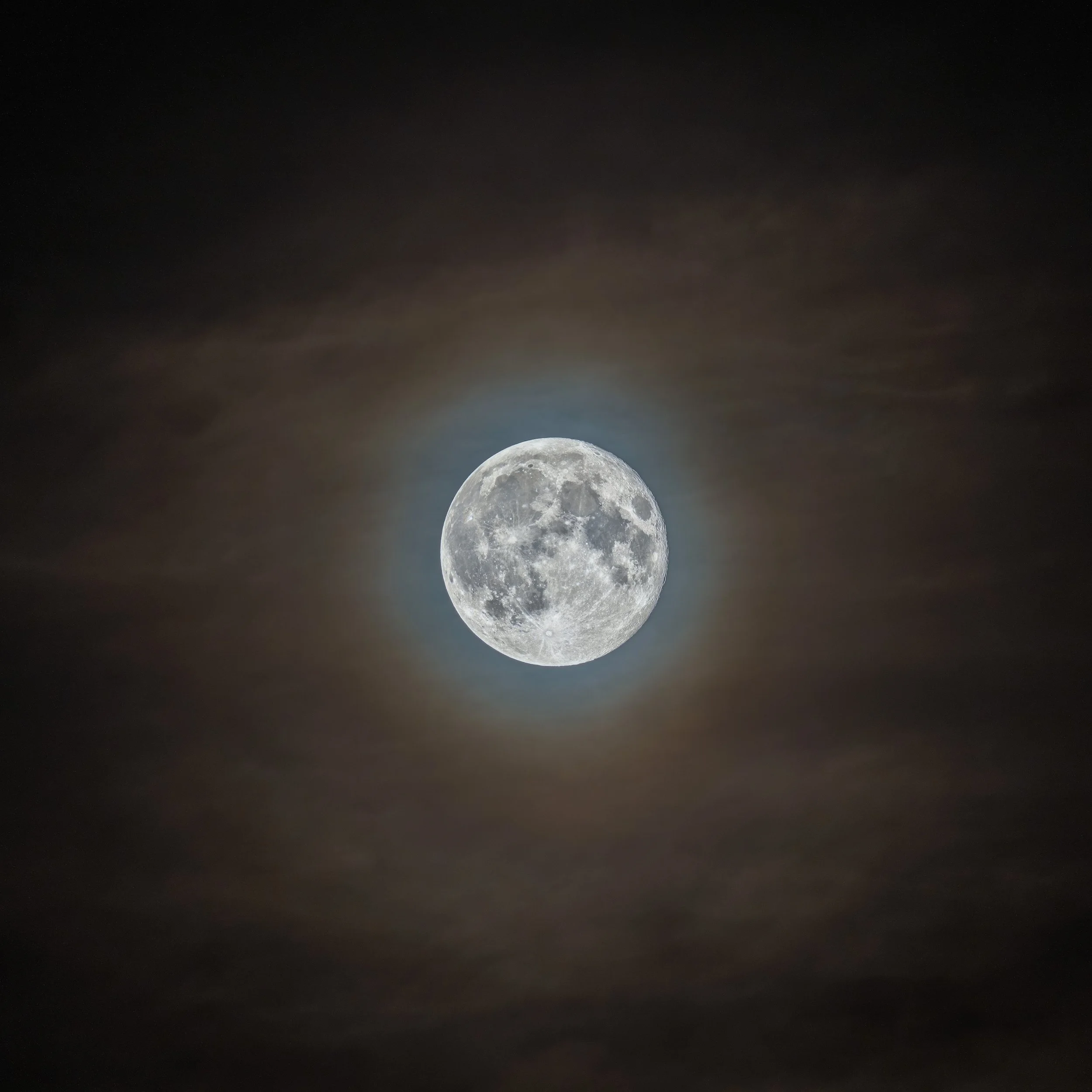
HDR capture of a full Moon in thin iridescent clouds – captured with a Sony A7RIV astromodified camera and a Sony 200-600mm lens. HDR Moon and cloud composite. Image by Cosmic Captures