
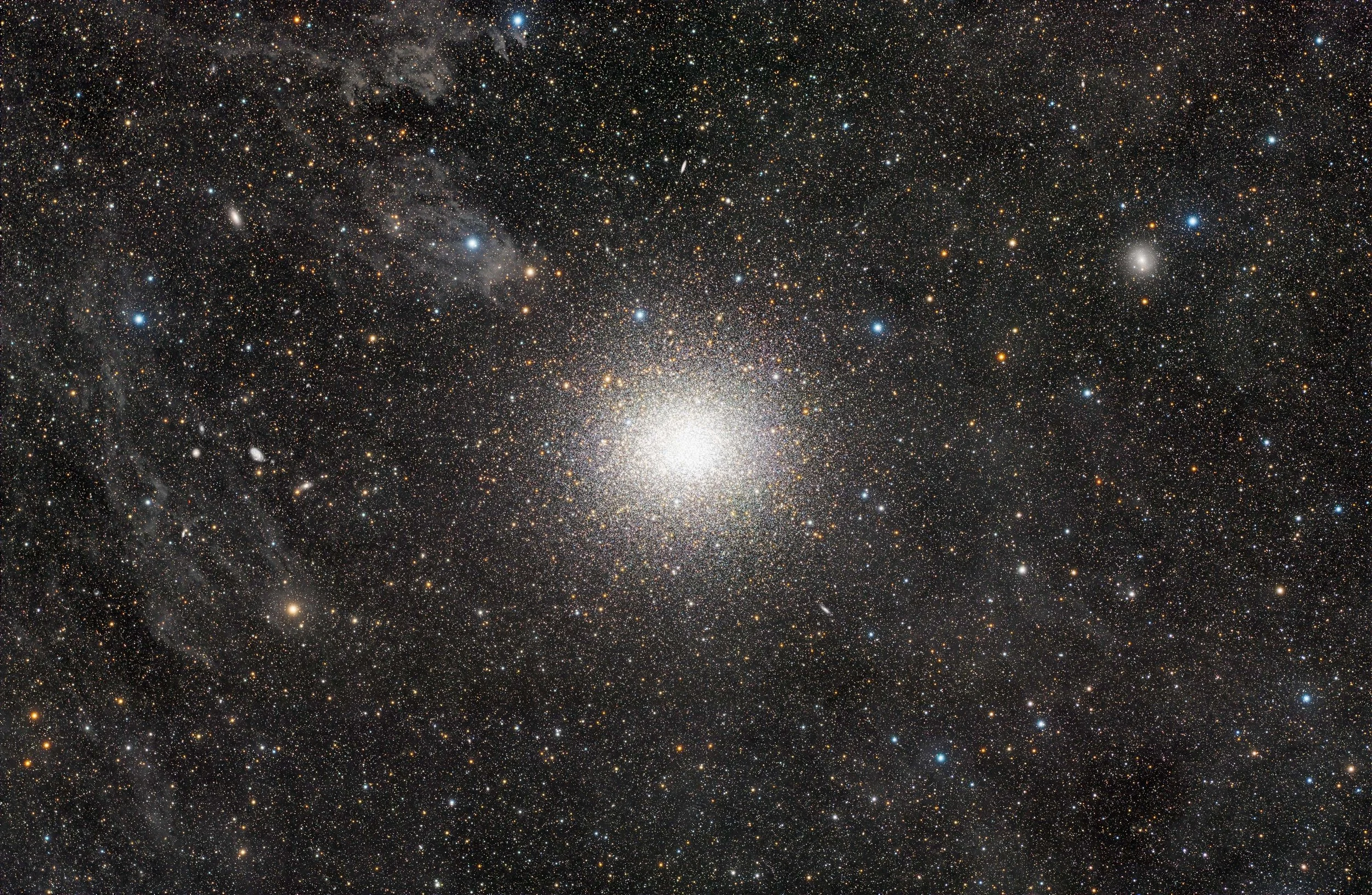

Globular Star Clusters — Ancient Stellar Spheres
Globular star clusters are dense, spherical collections of hundreds of thousands of ancient stars bound together by gravity. These clusters are among the oldest objects in the Milky Way and appear as tightly packed swarms of stars concentrated toward a bright central core.
Globular clusters benefit from longer focal lengths and good resolution, which help separate the dense outer regions into individual stars while preserving the bright core. Accurate tracking and steady conditions improve the ability to resolve fine detail within the cluster.
Globular clusters are broadband targets and are captured without filters, and short to moderate integration times are usually sufficient to produce detailed images.
Because globular clusters are relatively bright and compact, they can be imaged successfully even from light-polluted locations. Dark skies improve the surrounding star fields, but are not essential for capturing the clusters themselves.
These images show real objects captured from Earth with modern astrophotography equipment. Many of them represent hours — sometimes dozens of hours — of collected light, carefully processed to reveal details that would otherwise remain invisible.
No simulations and no AI-generated imagery, only real photons gathered under the night sky.
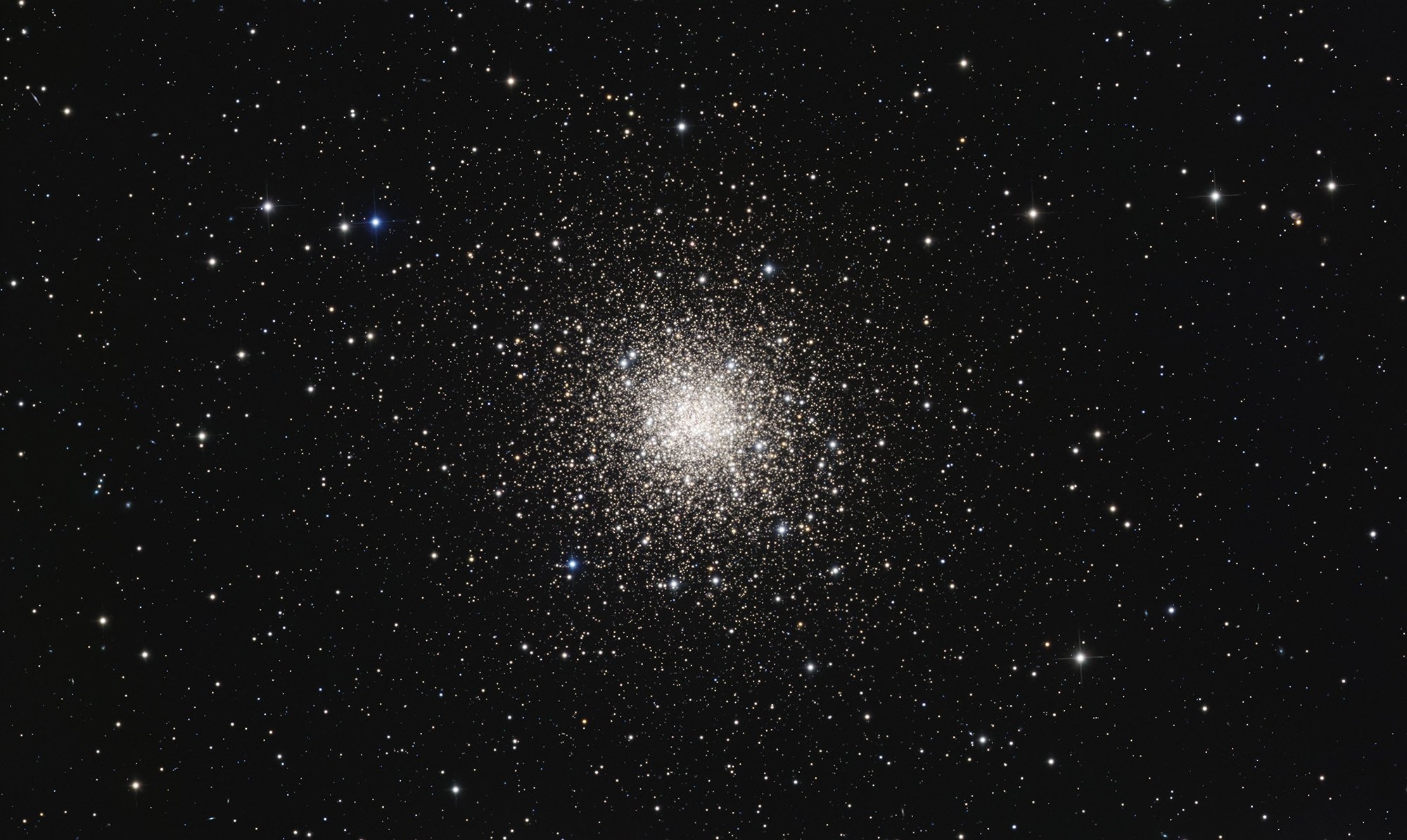
M68 – processed by Cosmic Captures from Telescope.Live image data
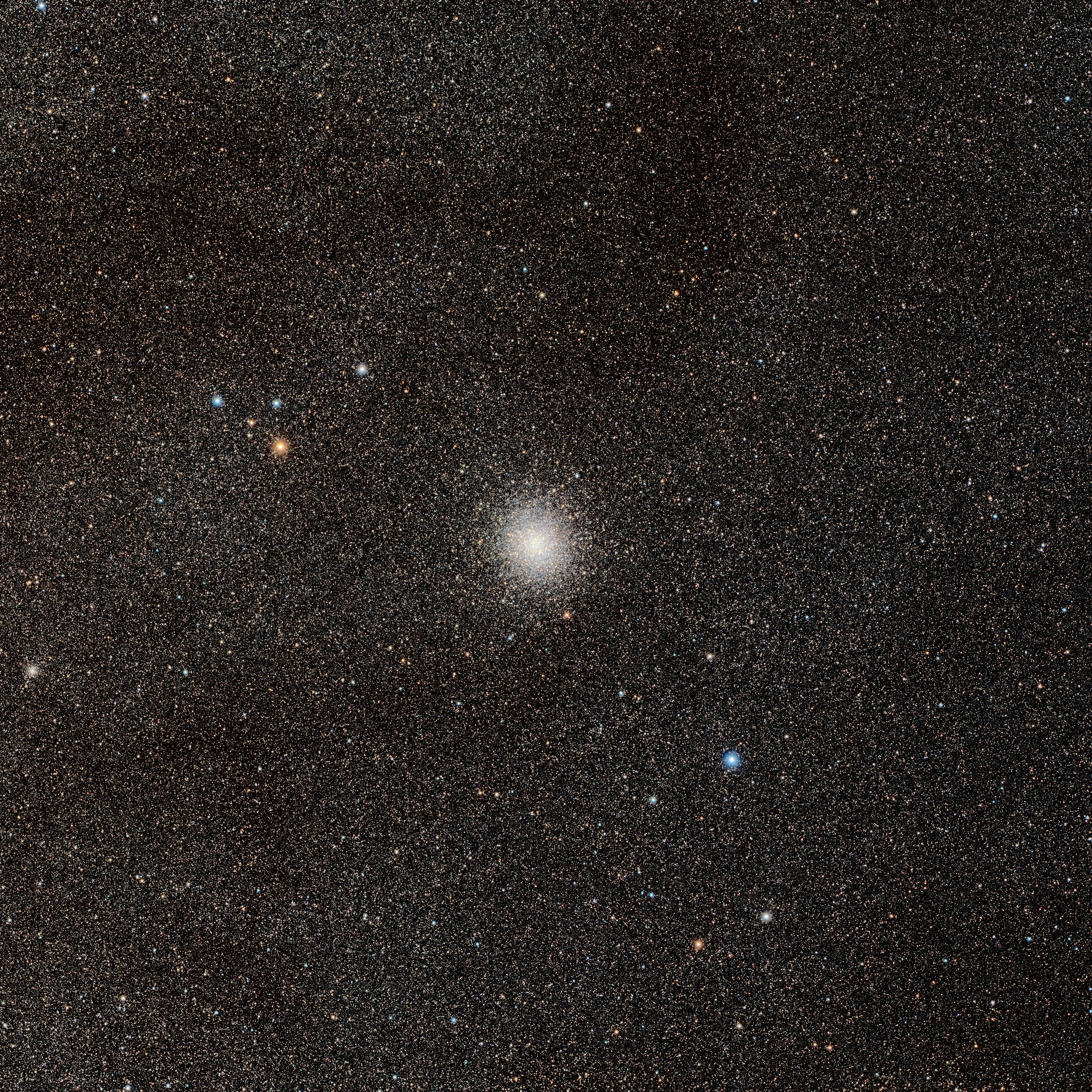
M22 – captured with a Sky-Watcher Esprit 100 at f/4.12 with ASI2600MM Pro camera and LRGB filters. Image by Cosmic Captures
NGC 5139 – Omega Centauri – processed by Cosmic Captures from Telescope.Live image data
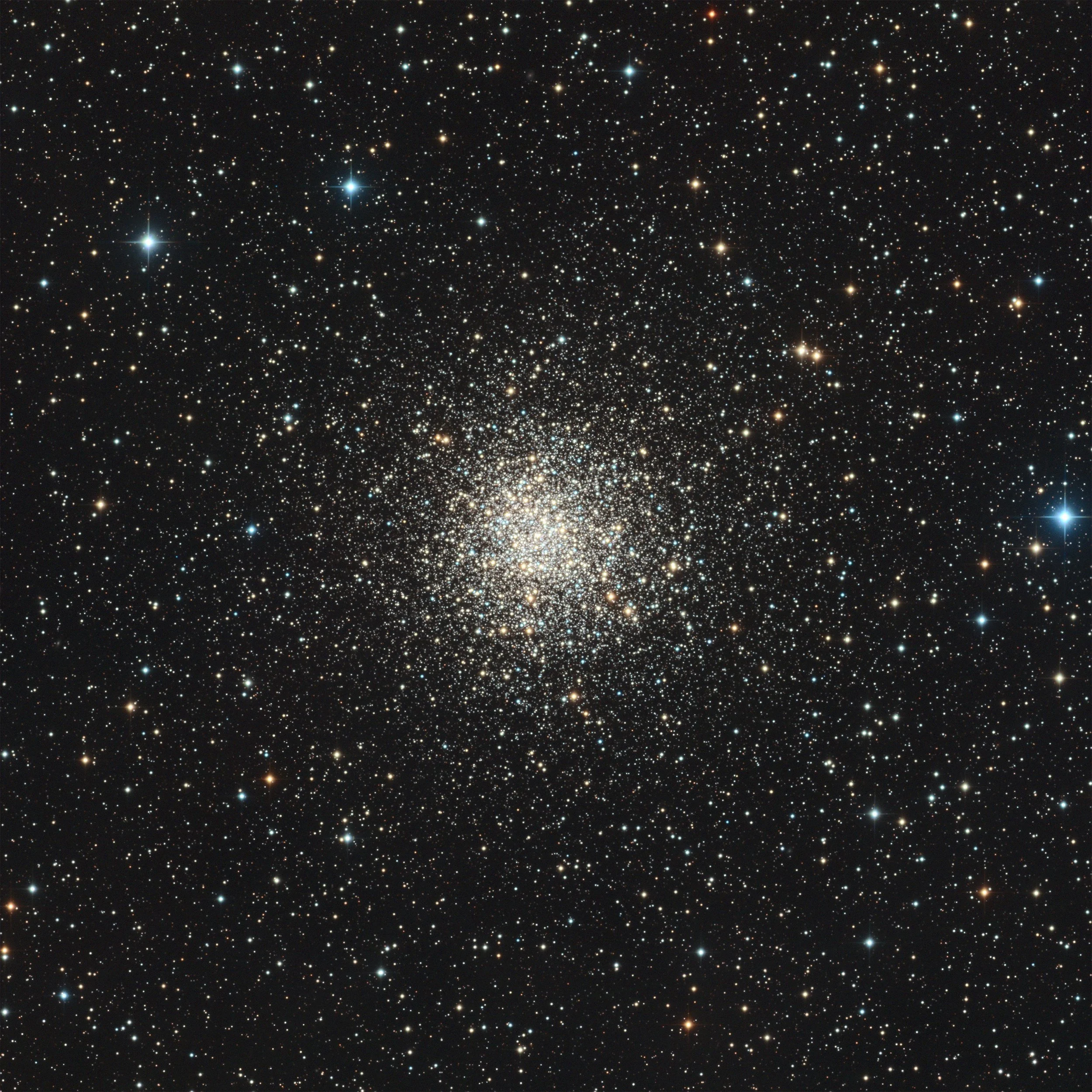
NGC 3201 – processed by Cosmic Captures from Telescope.Live image data
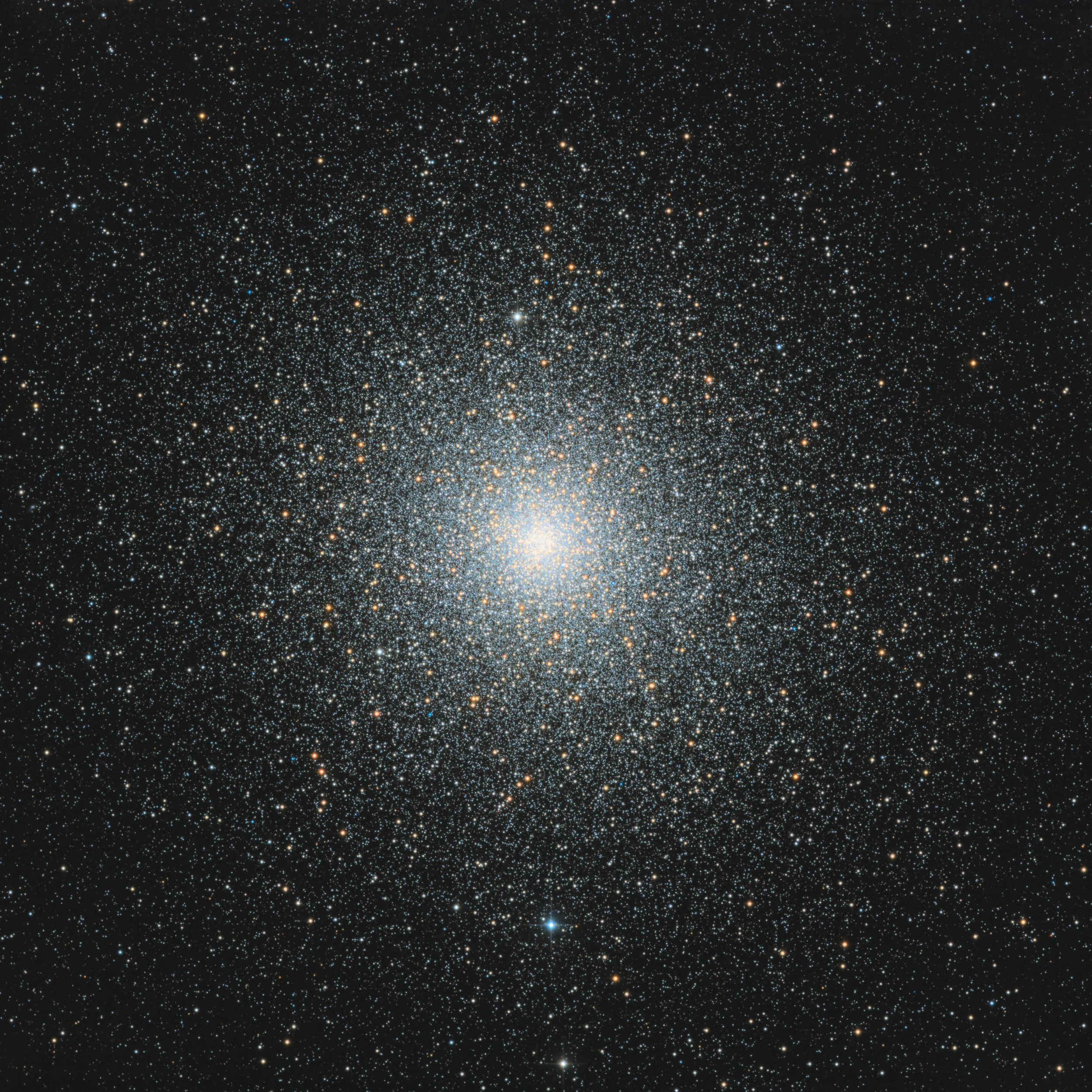
47 Tucanae (NGC 104) – processed by Cosmic Captures from Telescope.Live image data
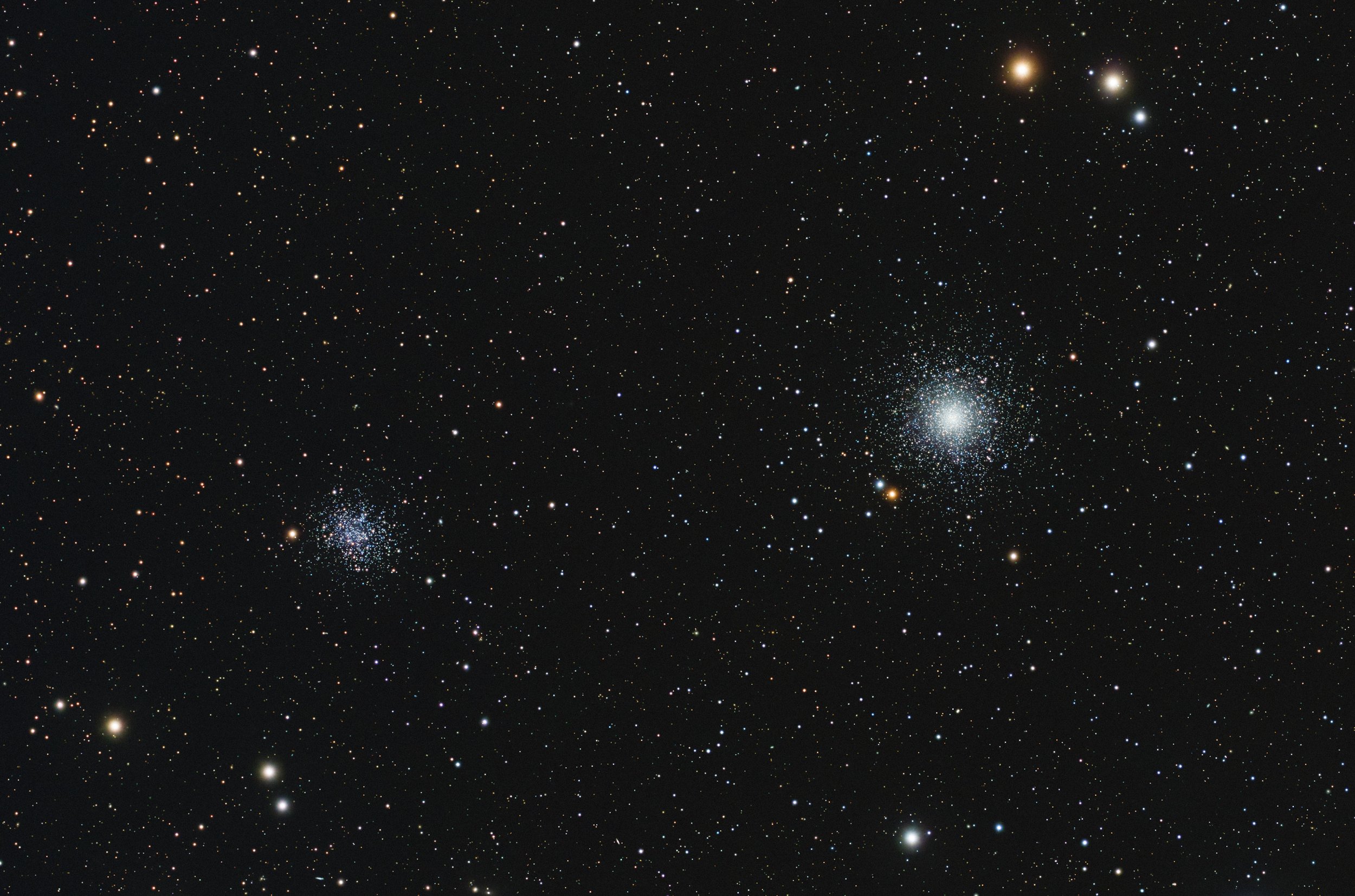
NGC 5053 & M53 – captured with a Sky-Watcher Esprit 100 at f/4.12 with ASI2600MM Pro camera and LRGB filters. Image by Cosmic Captures

M13 – The Great Hercules Cluster – captured with a Celestron Edge HD at f7 with ASI2600MM Pro camera and RGB filters. Image by Cosmic Captures

NGC 6752 – processed by Cosmic Captures from Telescope.Live image data