
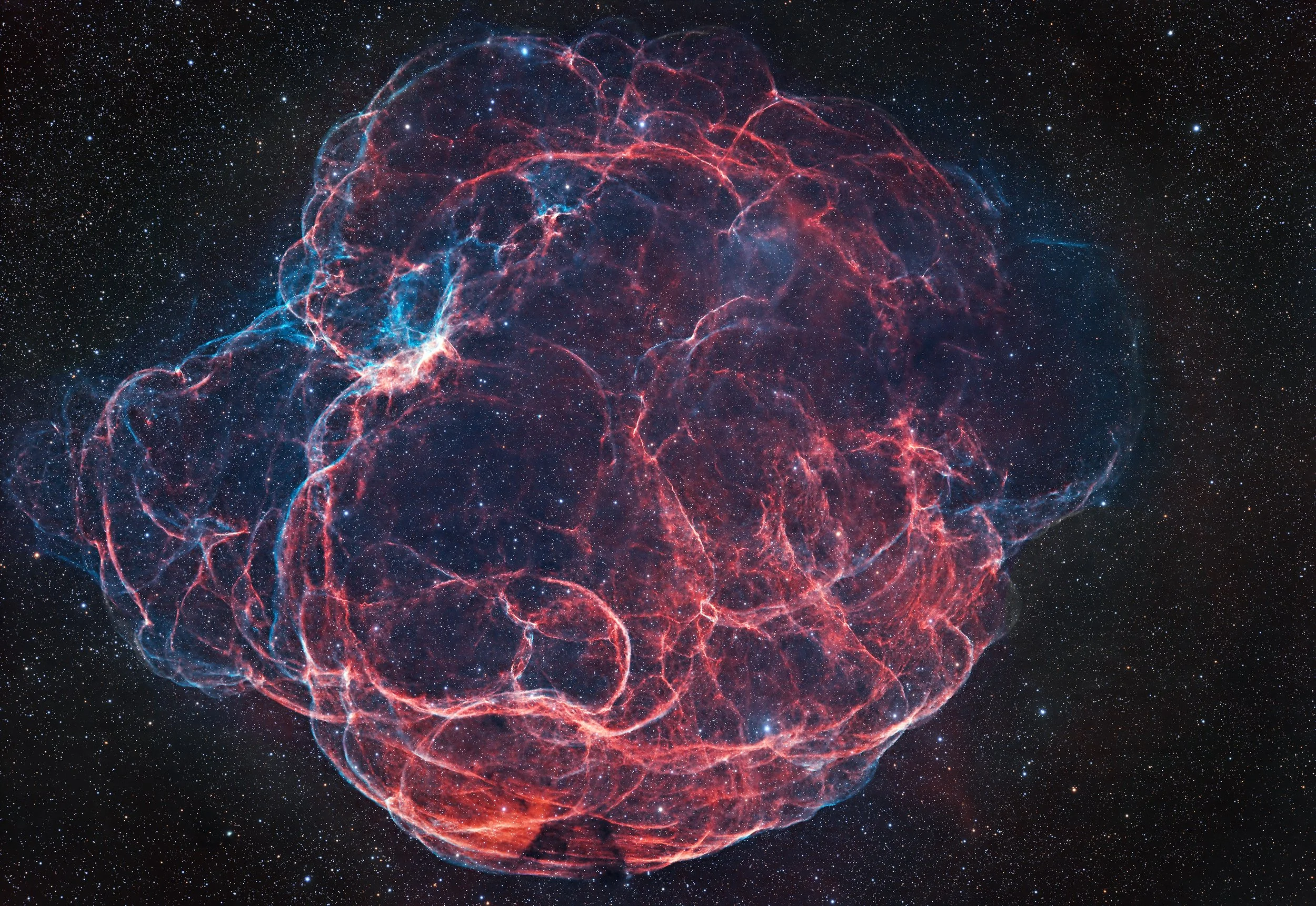

Supernova Remnants — The Expanding Debris of Exploded Stars
Supernova remnants are the expanding clouds of gas left behind after a massive star ends its life in a powerful explosion. Shockwaves from the explosion shape the surrounding gas into intricate filaments, arcs, and shells that slowly expand into interstellar space.
Most supernova remnants emit strongly in specific wavelengths, particularly hydrogen (H-alpha), oxygen (OIII), and sulfur (SII), making them excellent targets for narrowband imaging. Narrowband filters can reveal fine filamentary structures and allow successful imaging even under light-polluted skies. Dual-band filters can also work well for one-shot-color cameras.
Some supernova remnants cover large areas of the sky and are well suited to short or medium focal lengths, while smaller or more detailed regions benefit from longer focal lengths and good resolution.
Although many supernova remnants can be imaged from urban locations using narrowband filters, dark skies still help reveal the faintest outer filaments and more natural broadband star fields.
These images show real objects captured from Earth with modern astrophotography equipment. Many of them represent hours — sometimes dozens of hours — of collected light, carefully processed to reveal details that would otherwise remain invisible.
No simulations and no AI-generated imagery, only real photons gathered under the night sky.
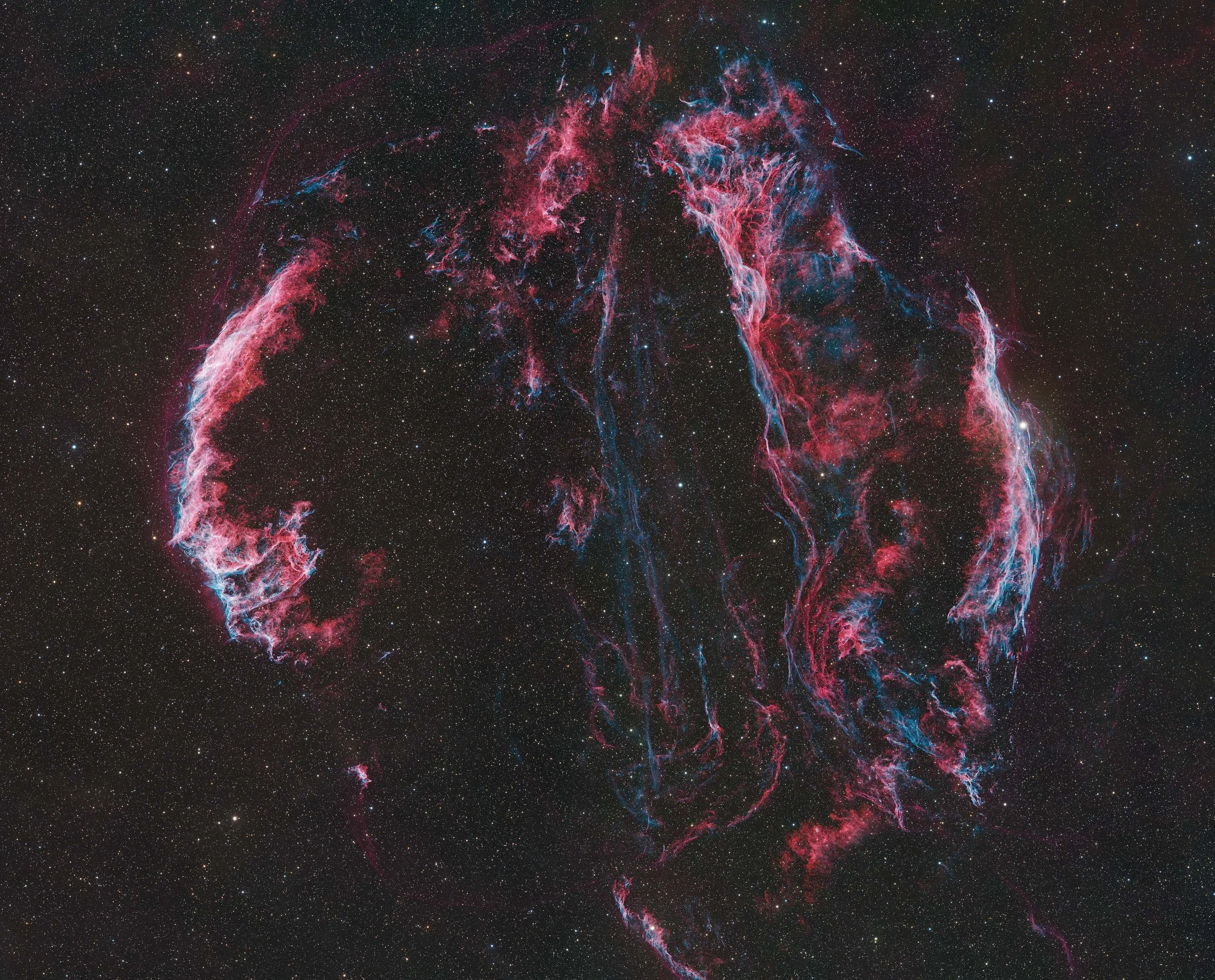
NGC 6960 & NGC 6992 – Veil Nebula – captured with a Sky-Watcher Esprit 100 at f/4.12 with ASI2600MM Pro camera and RGBHSO filters. Image by Cosmic Captures

M1 – Crab Nebula – processed by Cosmic Captures from Telescope.Live image data
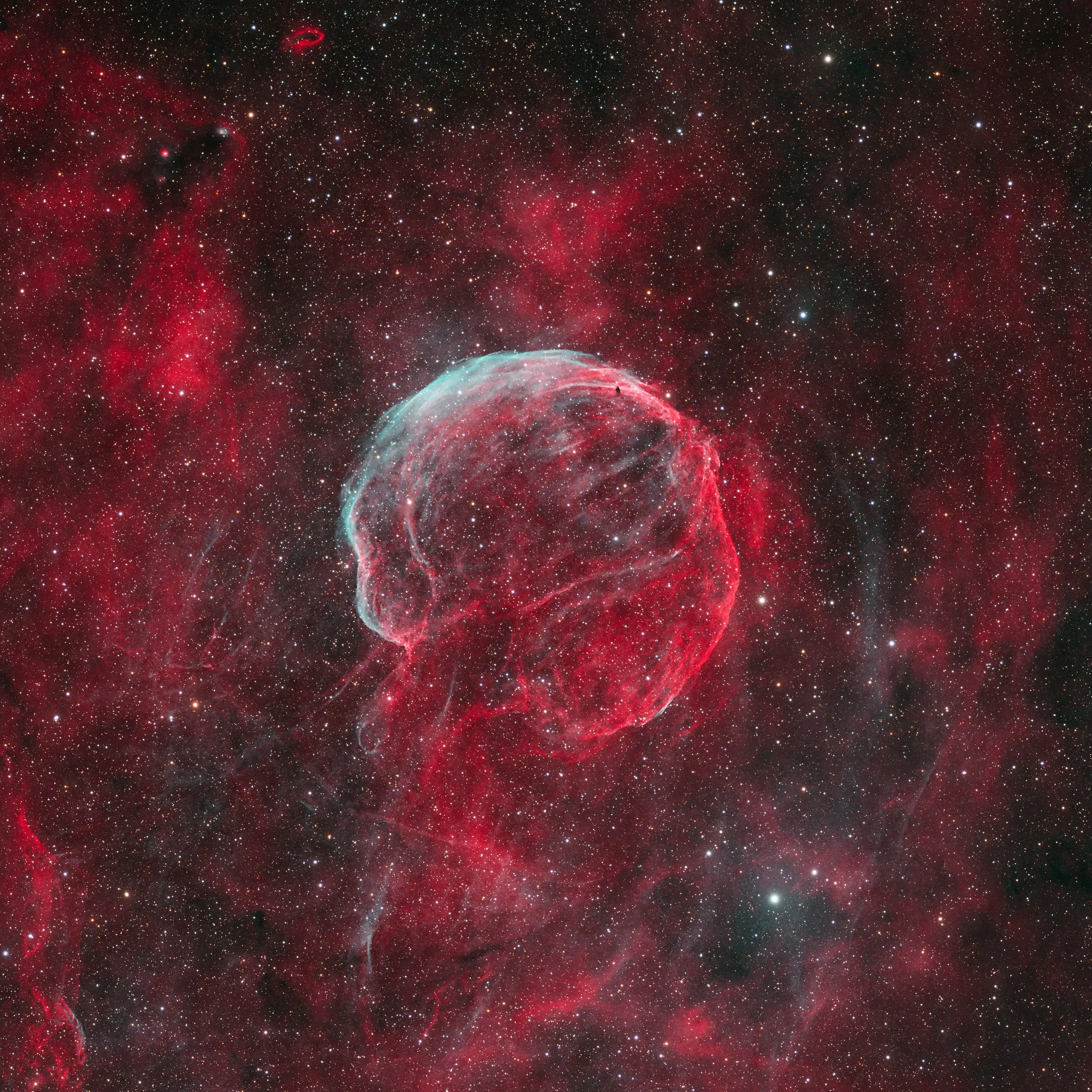
Abell 85 – Medulla Nebula – captured with a Sky-Watcher Esprit 100 at f/4.12 with ASI2600MM Pro camera and LRGBHO filters. Image by Cosmic Captures

IC 443 – Jellyfish Nebula – captured with a Sky-Watcher Esprit 100 at f/4.12 with ASI2600MM Pro camera and LRGBHSO filters. Image by Cosmic Captures
Simeis 147 – Spaghetti Nebula – processed by Cosmic Captures from Telescope.Live image data
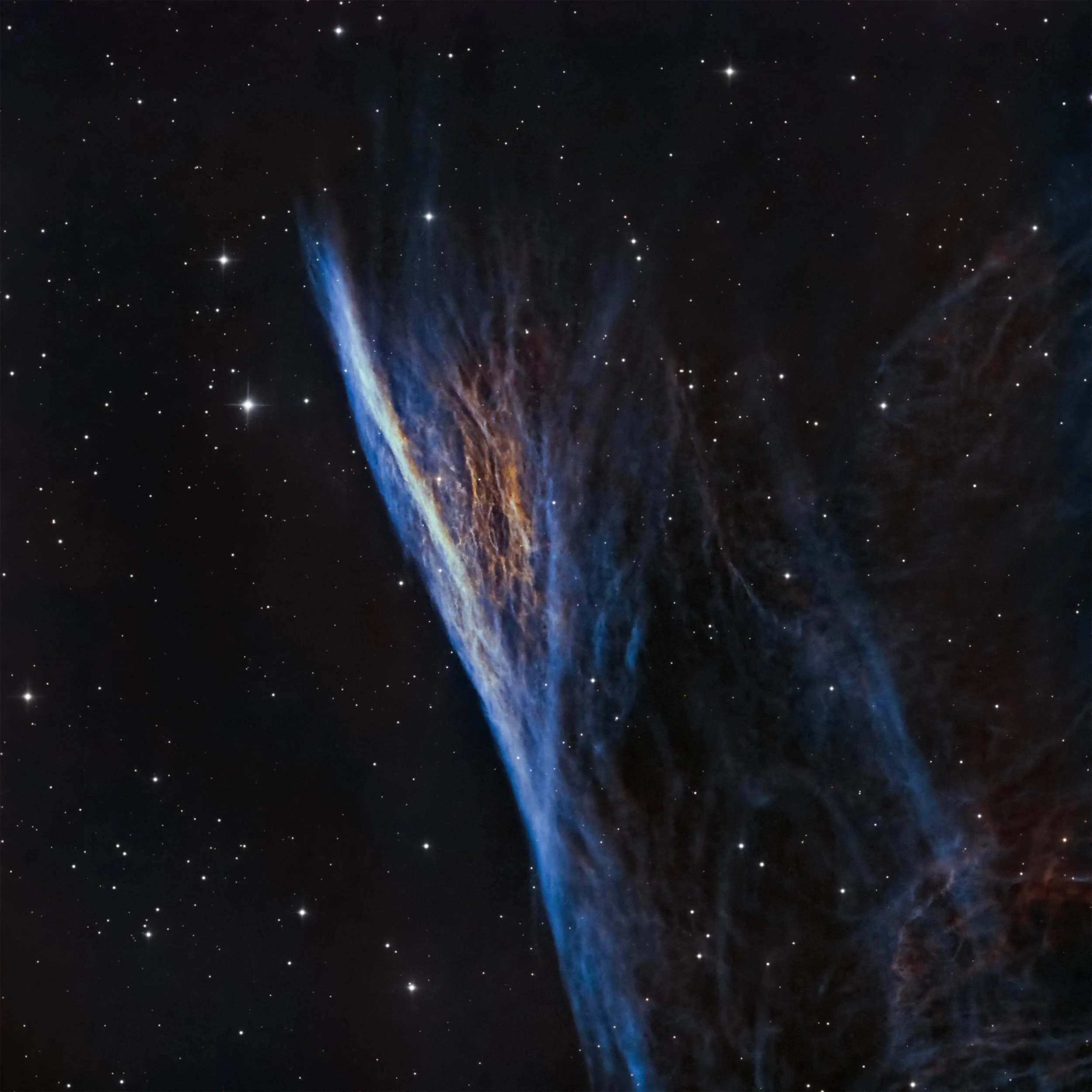
NGC 2736 – Pencil Nebula – processed by Cosmic Captures from Telescope.Live image data