


Reflection Nebulae — Starlight Scattered by Dust
Reflection nebulae are clouds of interstellar dust that shine by reflecting the light of nearby stars. Unlike emission nebulae, they do not produce their own light, but scatter starlight, often giving them a characteristic blue appearance and a soft, delicate structure.
Reflection nebulae are broadband objects and are captured without narrowband or dual-band filters, which reduce the reflected starlight rather than improve contrast. Natural colour imaging works best, and long integration times help reveal the faint dust structures.
Dark skies are especially important for reflection nebulae. Light pollution quickly overwhelms their subtle glow, making these objects much easier to capture from truly dark locations.
Some reflection nebulae are relatively large and can be well suited to short and medium focal lengths, including DSLR or mirrorless cameras with fast telephoto lenses, though smaller regions benefit from longer focal lengths.
These images show real objects captured from Earth with modern astrophotography equipment. Many of them represent hours — sometimes dozens of hours — of collected light, carefully processed to reveal details that would otherwise remain invisible.
No simulations and no AI-generated imagery, only real photons gathered under the night sky.

IC 4592 – Blue Horsehead Nebula – 2-panel mosaic, captured with a Sky-Watcher Esprit 100 at f/4.12 with ASI2600MM Pro camera and LRGB filters. Image by Cosmic Captures

IC 2118 – Witch Head Nebula – 2-panel mosaic, captured with a Sky-Watcher Esprit 100 at f/4.12 with ASI2600MM Pro camera and LRGBH filters. Image by Cosmic Captures
NGC 7032 – Iris Nebula – captured with a Sky-Watcher Esprit 100 at f/4.12 with ASI2600MM Pro camera and LRGB filters. Image by Cosmic Captures
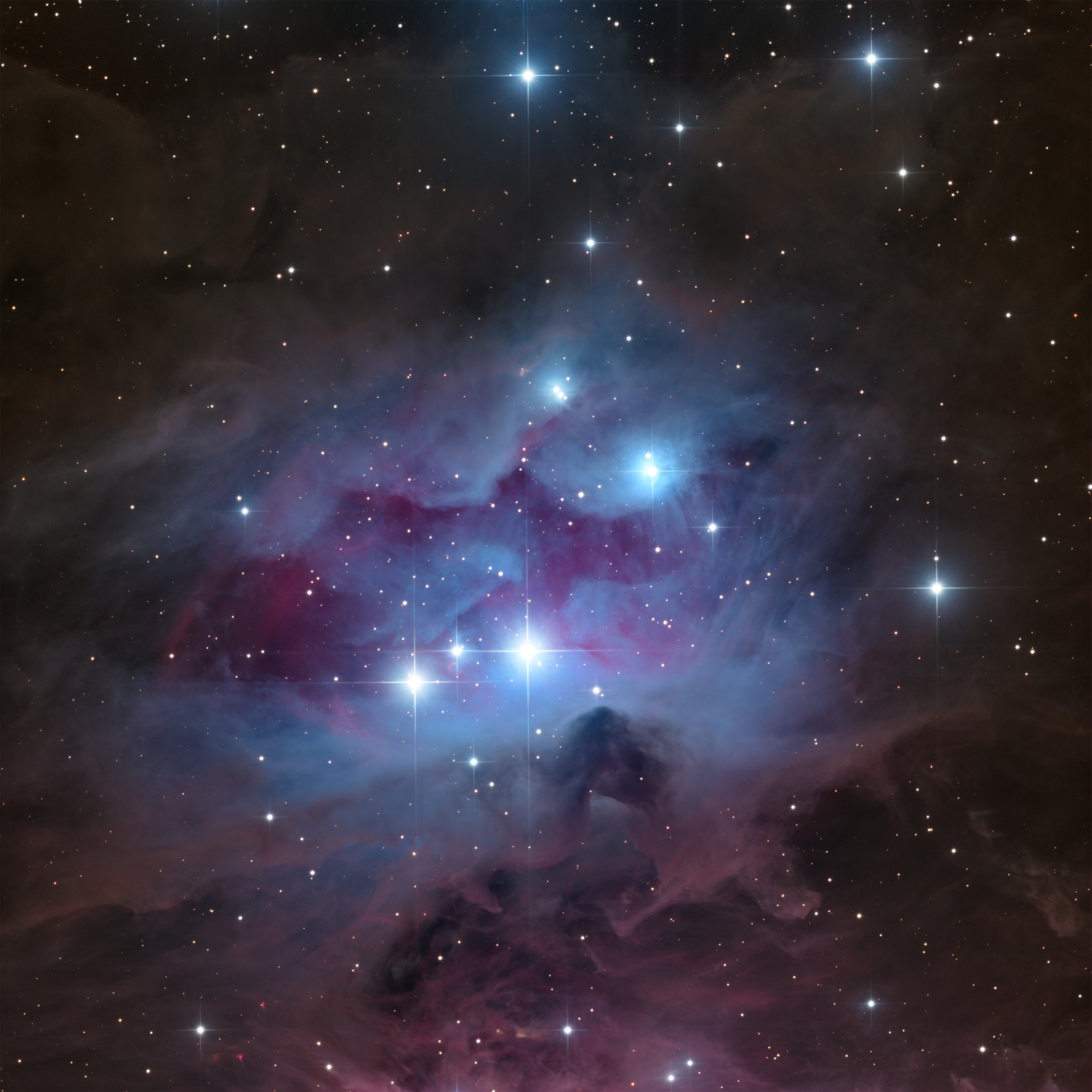
NGC 1975 – Running Man Nebula – processed by Cosmic Captures from Telescope.Live image data

M78 – Casper the Friendly Ghost Nebula – captured with a Sky-Watcher Esprit 100 at f/4.12 with ASI2600MM Pro camera and LRGBH filters. Image by Cosmic Captures
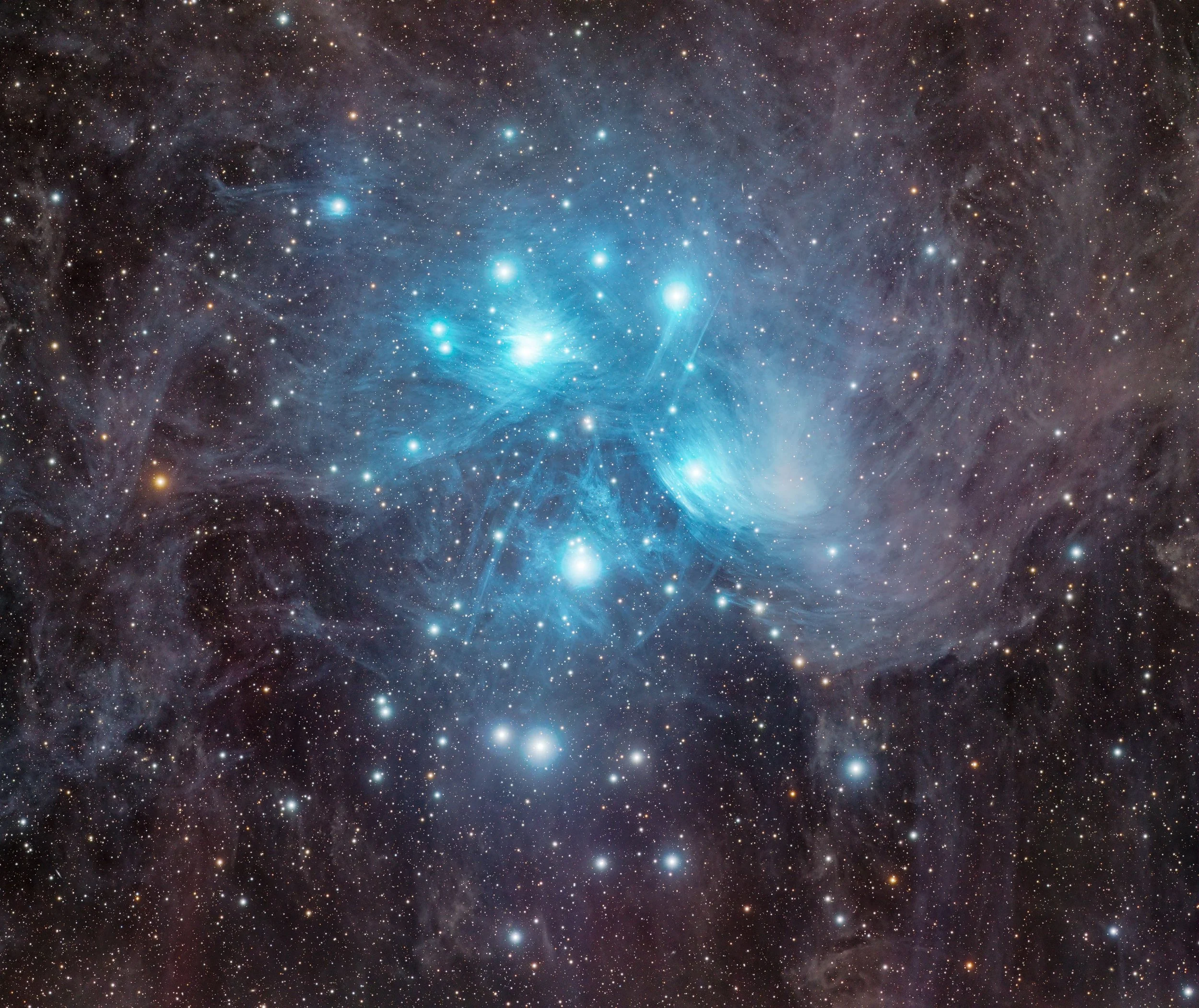
M45 – The Pleiades – captured with a Sky-Watcher Esprit 100 at f/4.12 with ASI2600MM Pro camera and LRGBH filters. Image by Cosmic Captures
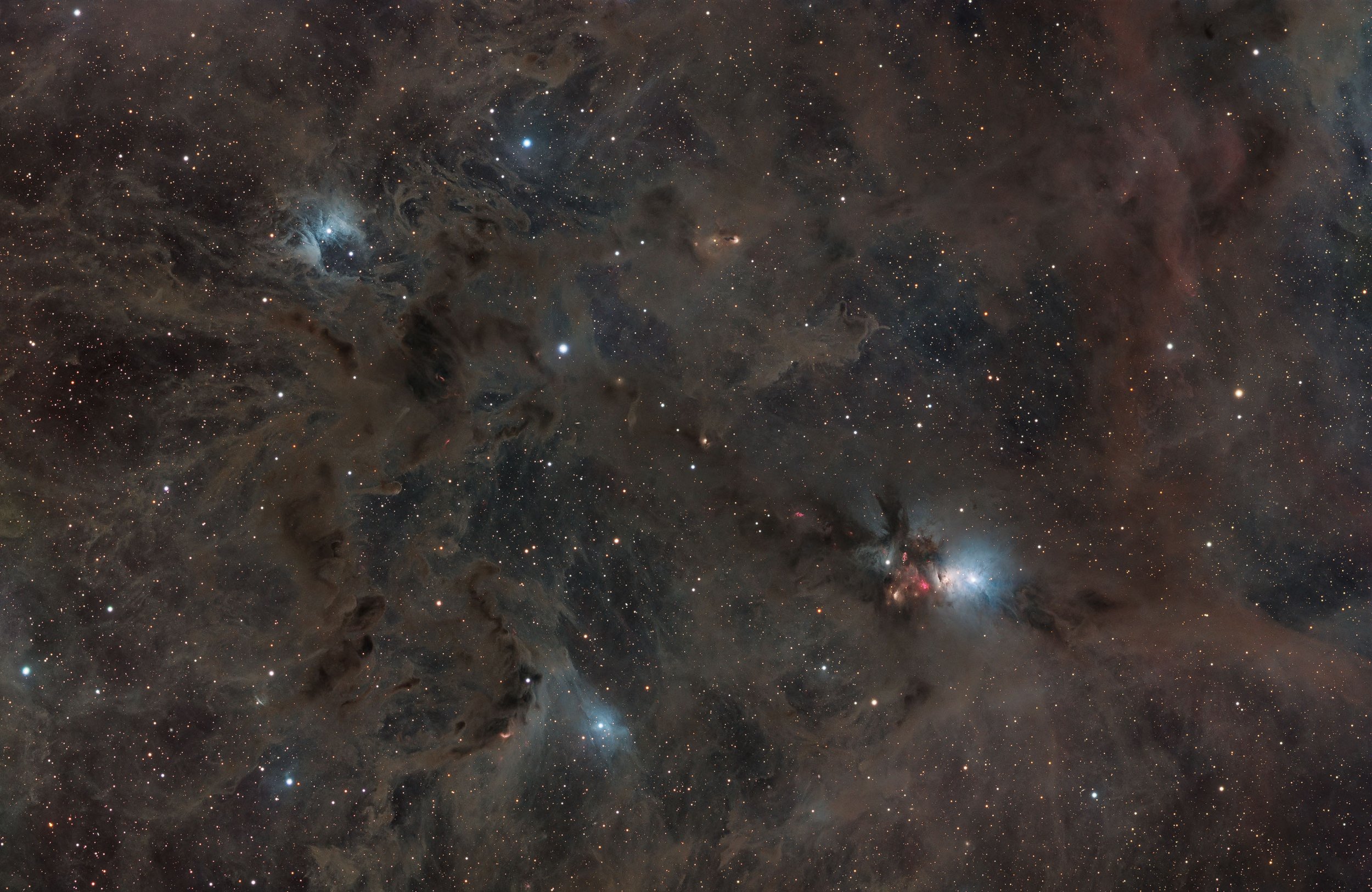
NGC1333 – Embryo Nebula – captured with a Sky-Watcher Esprit 100 at f/4.12 with ASI2600MM Pro camera and LRGB filters. Image by Cosmic Captures
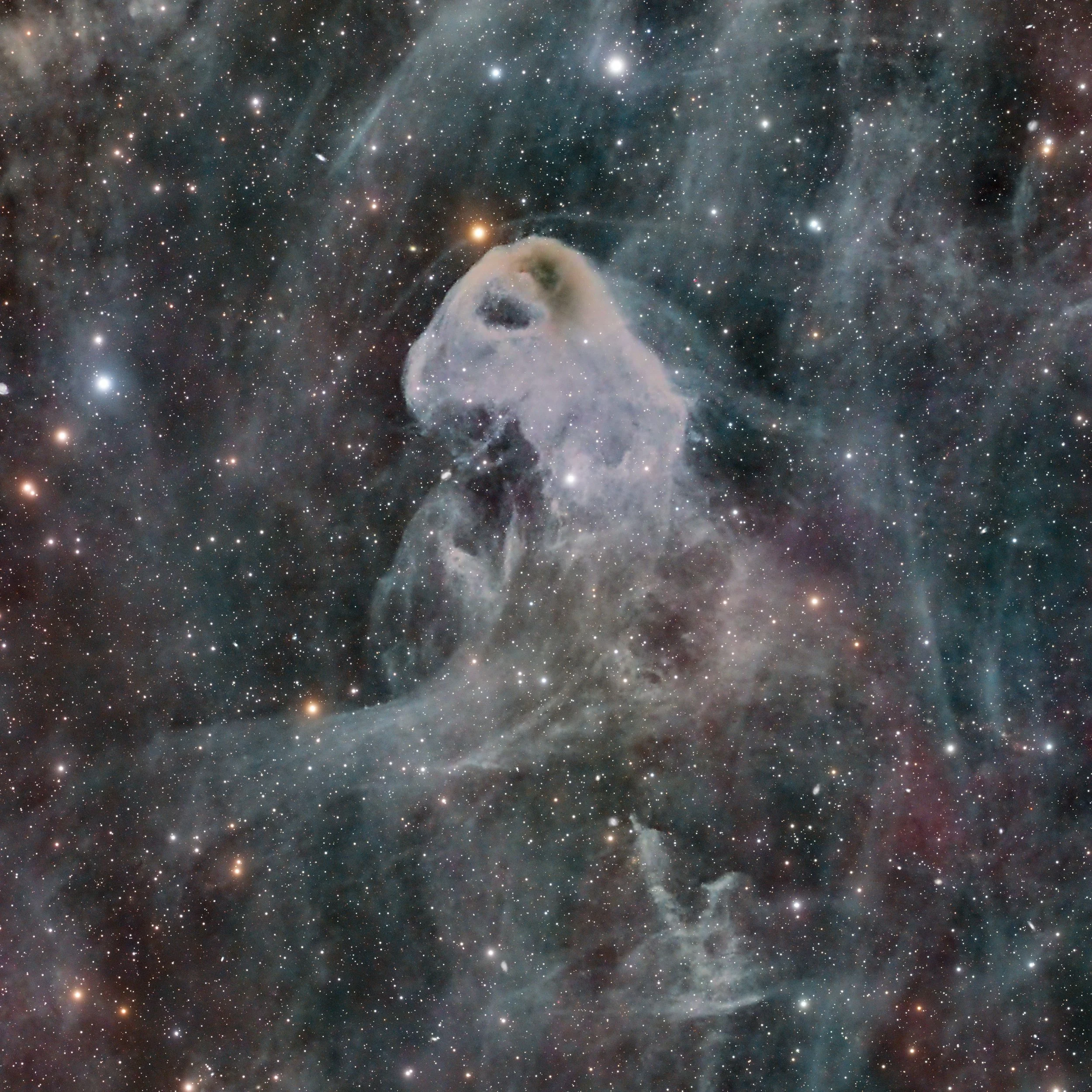
LBN 777 – Vulture Head Nebula – captured with a Sky-Watcher Esprit 100 at f/4.12 with ASI2600MM Pro camera and LRGBH filters. Image by Cosmic Captures