

Emission Nebulae — Glowing Clouds of Gas
Emission nebulae are vast clouds of ionized gas that glow under the intense radiation of nearby young stars. Their characteristic red light comes mainly from hydrogen, often mixed with oxygen and sulfur emission, revealing intricate structures of filaments, knots, and glowing clouds.
Emission nebulae are among the most rewarding targets in astrophotography. Many respond very well to narrowband imaging, where filters such as H-alpha, OIII, and SII isolate specific wavelengths of light and allow faint structures to be revealed even under light-polluted skies. Dual-band filters can also work well for one-shot-color cameras.
While emission nebulae can be imaged successfully from urban locations using filters, dark skies still provide advantages for broadband colour data and faint outer structures. Longer integration times help reveal subtle details and smooth transitions in the glowing gas.
Many emission nebulae cover large areas of the sky and are excellent targets for short focal-length telescopes or fast telephoto lenses on DSLR or mirrorless cameras. Larger nebulae can often be captured in a single frame, while smaller regions benefit from longer focal lengths.
These images show real objects captured from Earth with modern astrophotography equipment. Many of them represent hours — sometimes dozens of hours — of collected light, carefully processed to reveal details that would otherwise remain invisible.
No simulations and no AI-generated imagery, only real photons gathered under the night sky.

M20 & M8 –Lagoon Nebula and Trifid Nebula – 2-panel mosaic, captured with a Sky-Watcher Esprit 100 at f/4.12 with ASI2600MM Pro camera and LRGBHSO filters. Image by Cosmic Captures
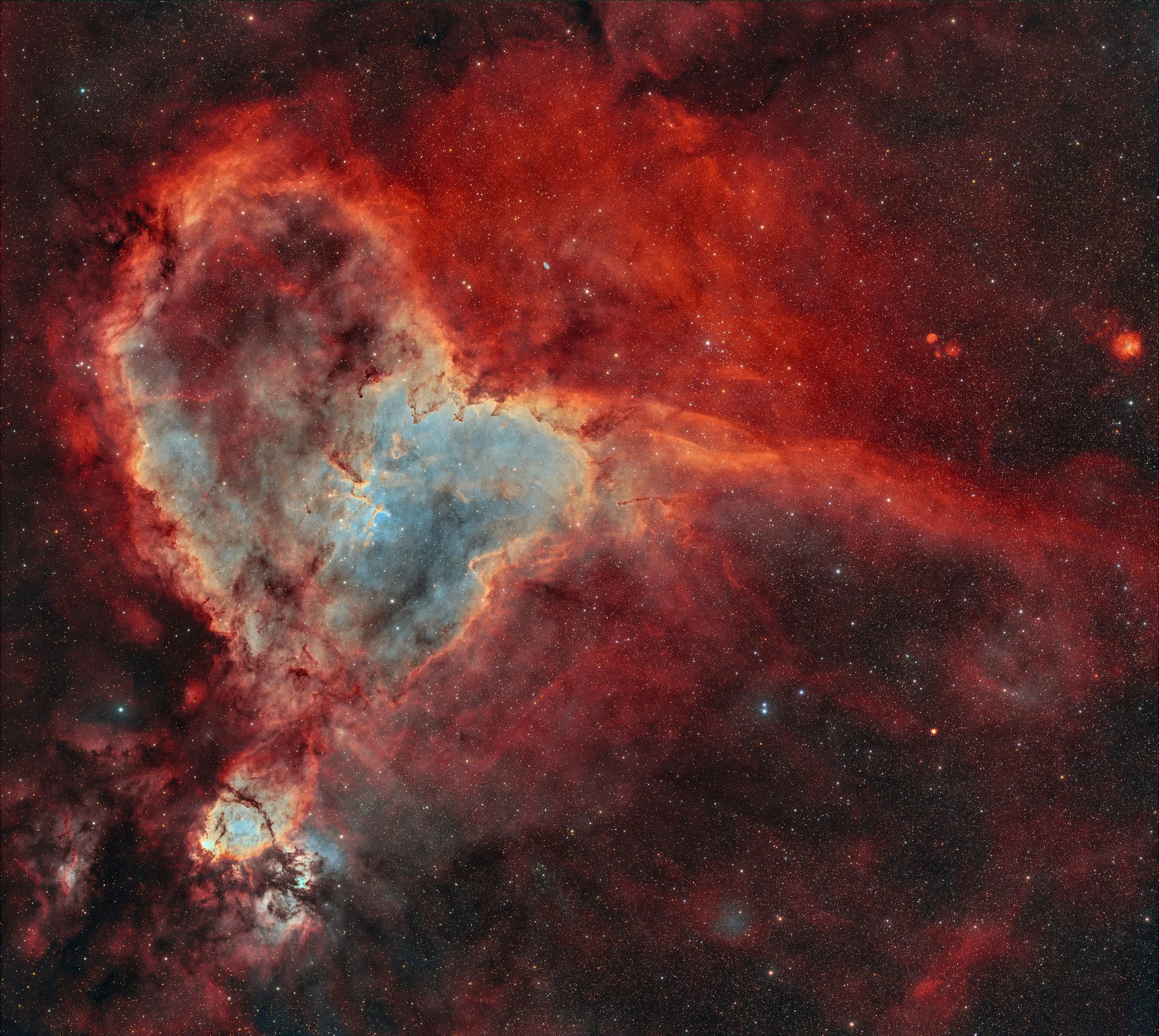
IC1805 – Heart Nebula – captured with a Sky-Watcher Esprit 100 at f/4.12 with ASI2600MM Pro camera and LRGBHSO filters. Image by Cosmic Captures
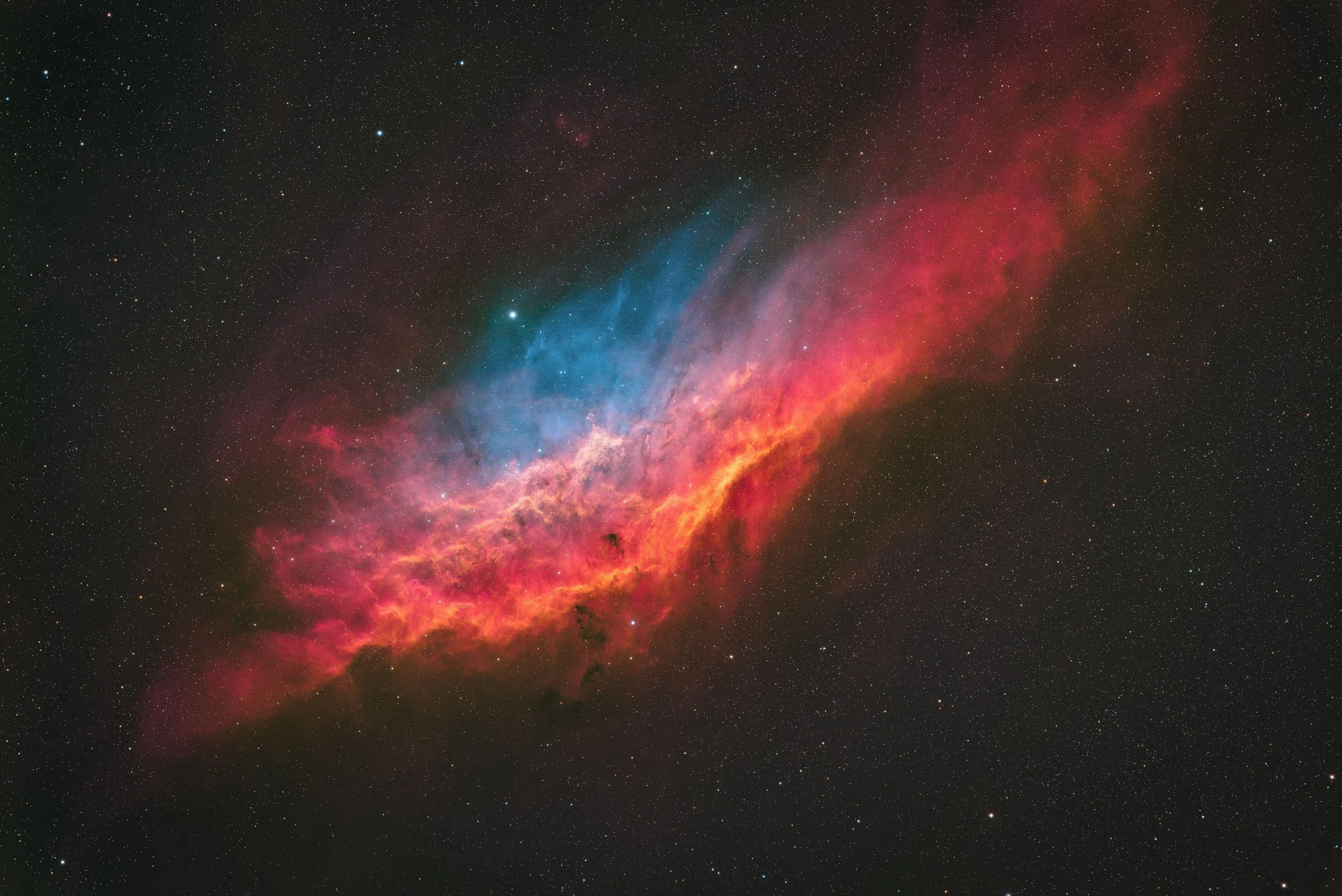
NGC1499 – California Nebula – captured with a Sky-Watcher Esprit 100 at f/4.12 with ASI2600MM Pro camera and LRGBHSO filters. Image by Cosmic Captures

M42 – Orion Nebula – captured with a Sky-Watcher Esprit 100 at f/4.12 with ASI2600MM Pro camera and LRGBHSO filters. Image by Cosmic Captures
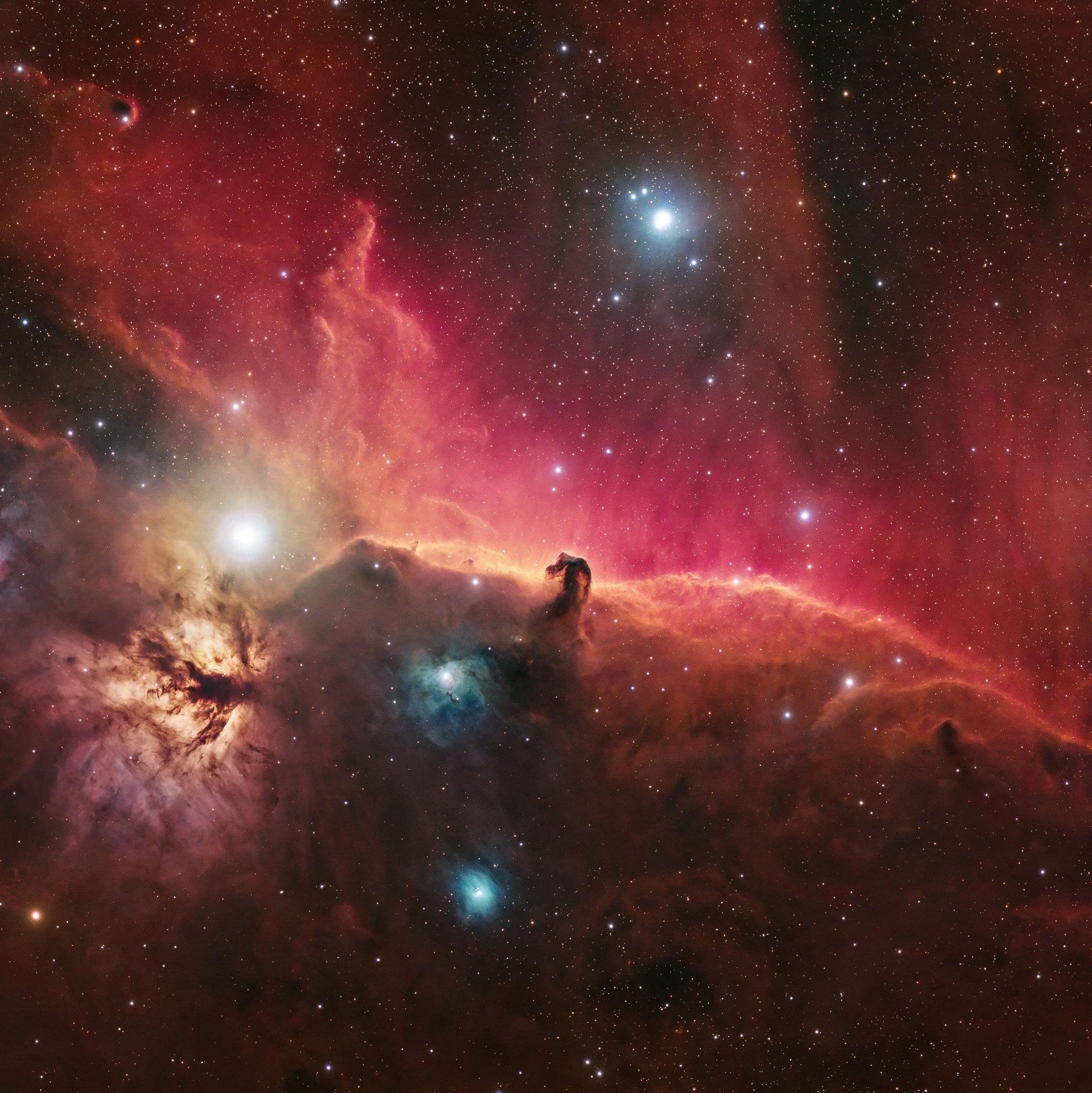
Horsehead Nebula Region – captured with a Sky-Watcher Esprit 100 at f/4.12 with ASI2600MM Pro camera and LRGBHSO filters. Image by Cosmic Captures
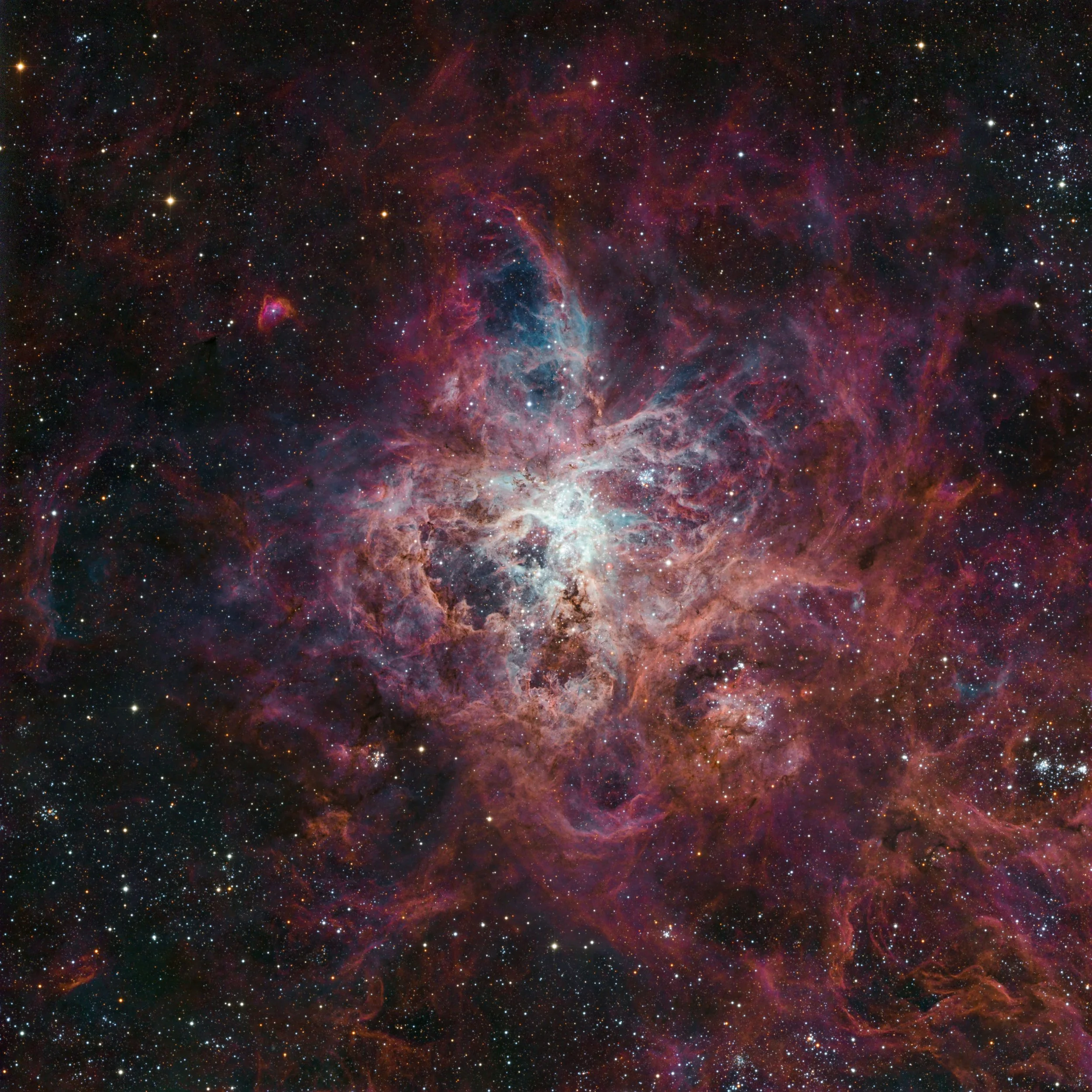
NGC 2070 – Tarantula Nebula – processed by Cosmic Captures from Telescope.Live image data

IC 2177 – Seagull Nebula – captured with a Sky-Watcher Esprit 100 at f/4.12 with ASI2600MM Pro camera and LRGBHSO filters. Image by Cosmic Captures

NGC 6888 – The Crescent Nebula – processed by Cosmic Captures from Telescope.Live image data
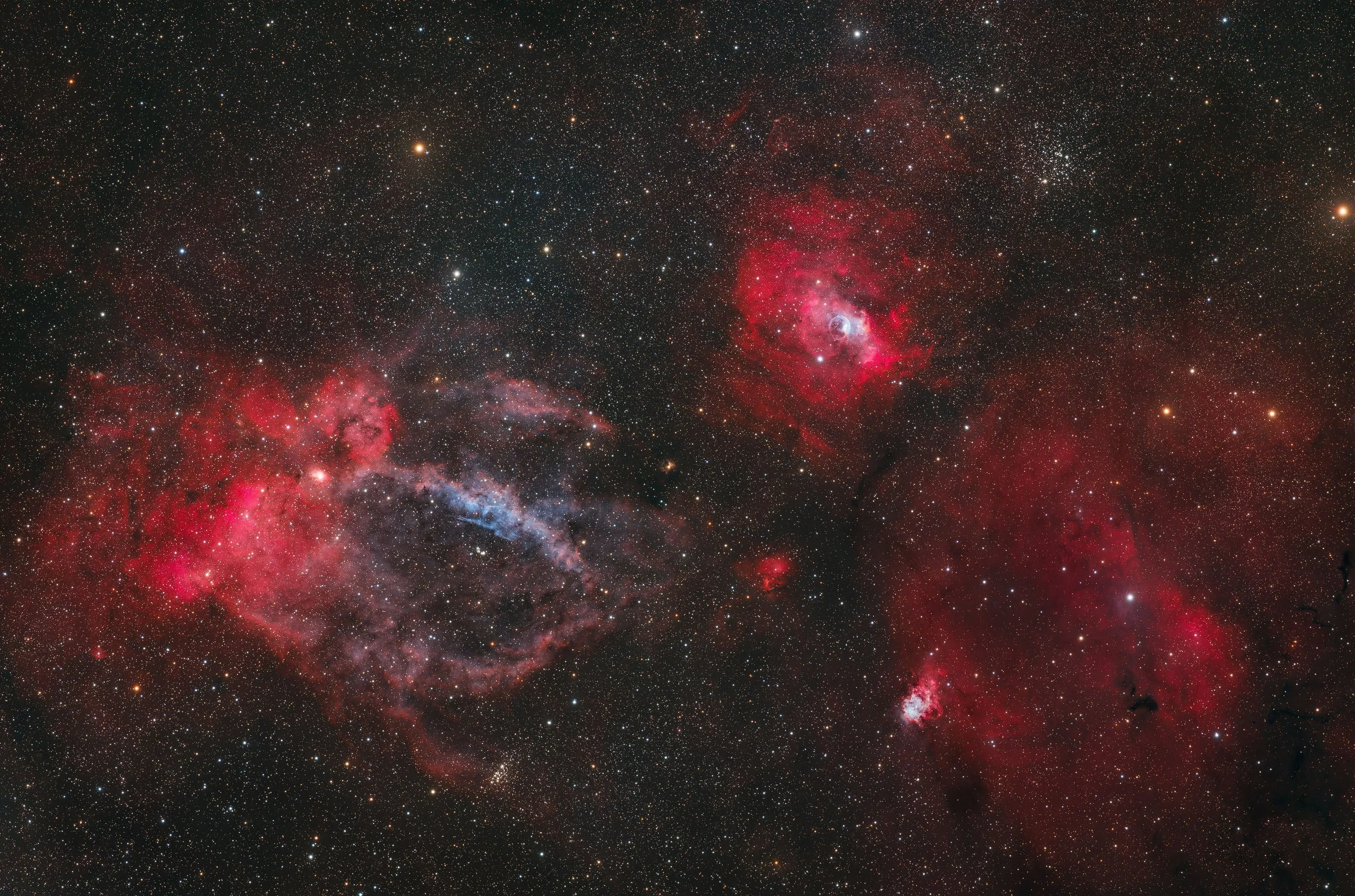
SH 1-109 & NGC 7635 – Lobster Claw and Bubble Nebula – captured with a Sky-Watcher Esprit 100 at f/4.12 with ASI2600MM Pro camera and LRGBHSO filters. Image by Cosmic Captures
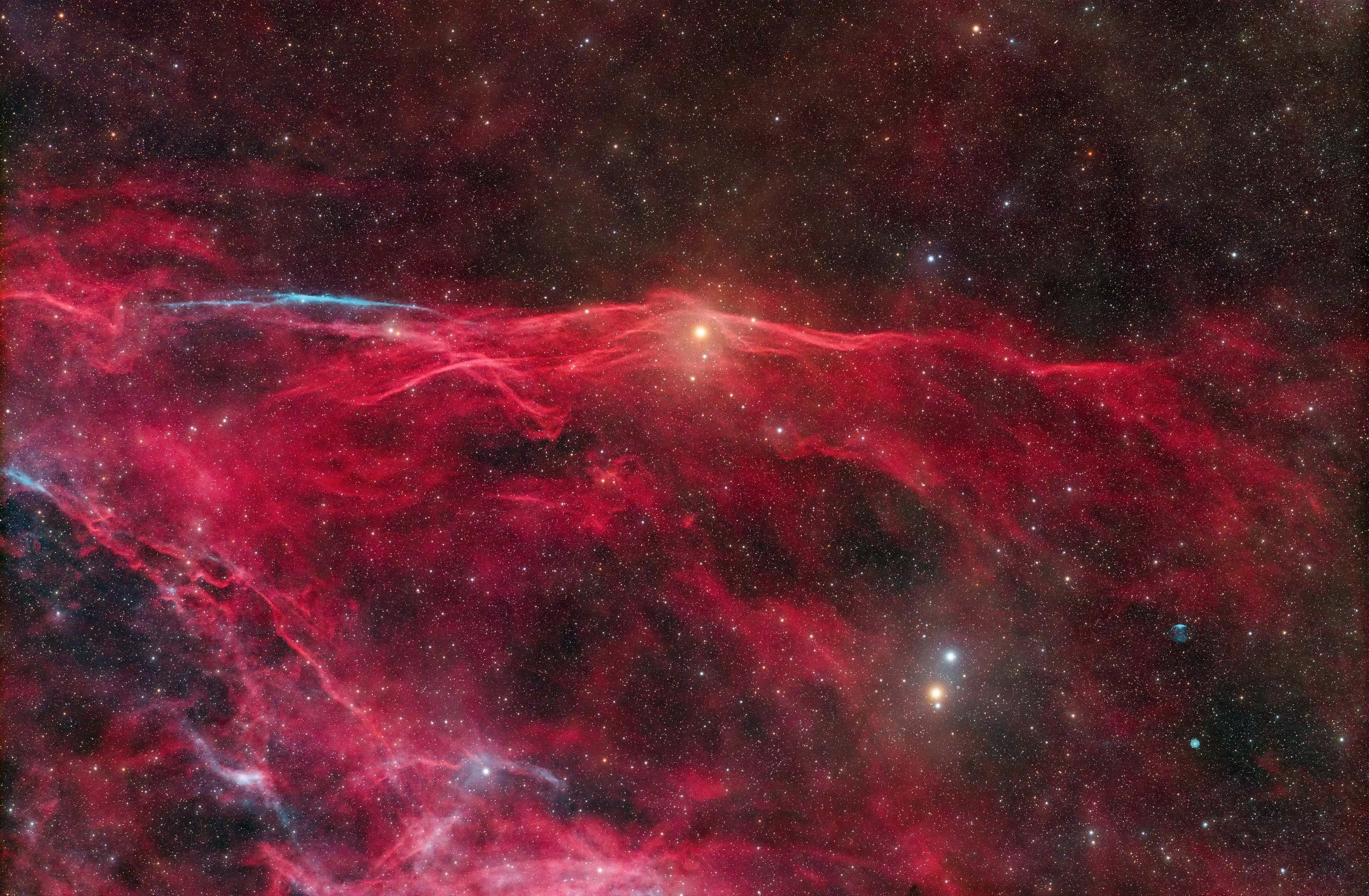
LBN 331 – captured with a Sky-Watcher Esprit 100 at f/4.12 with ASI2600MM Pro camera and LRGBHSO filters. Image by Cosmic Captures
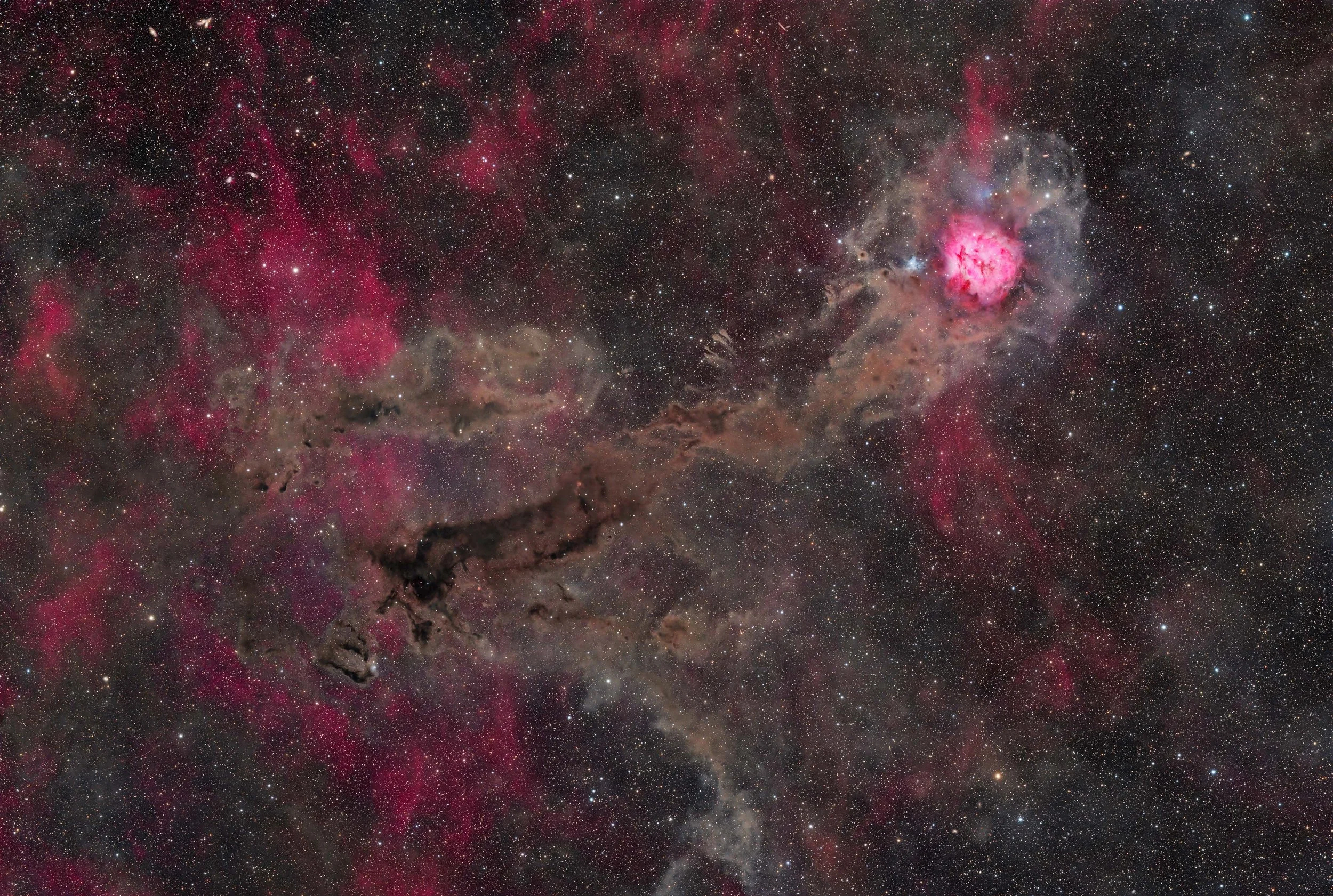
IC 5146 – Cocoon Nebula – captured with a Sky-Watcher Esprit 100 at f/4.12 with ASI2600MM Pro camera and LRGBHSO filters. Image by Cosmic Captures
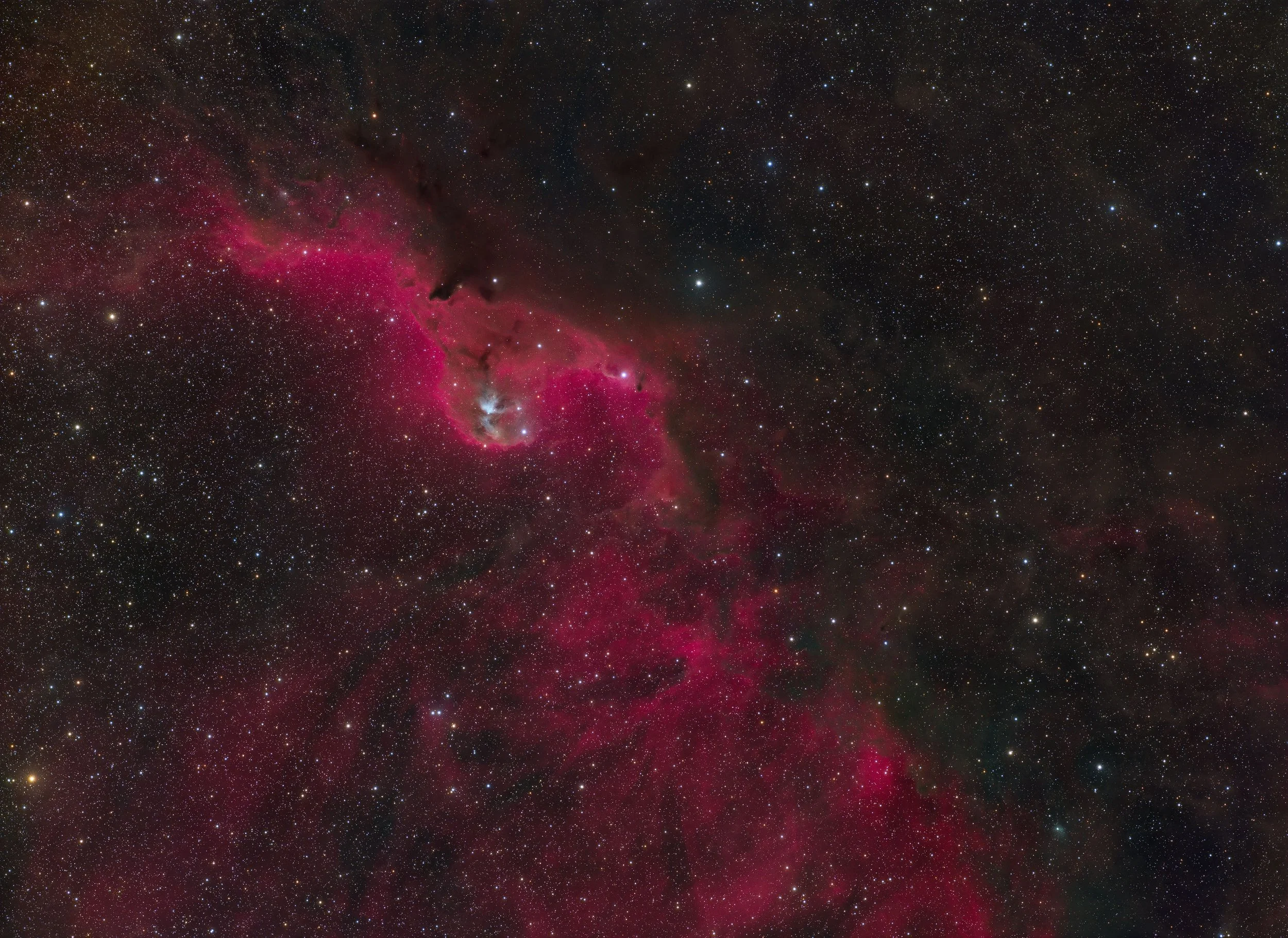
Sh2-264 – Lambda Orionis Nebula – processed by Cosmic Captures from Telescope.Live image data

IC 4628 – The Prawn Nebula – processed by Cosmic Captures from Telescope.Live image data
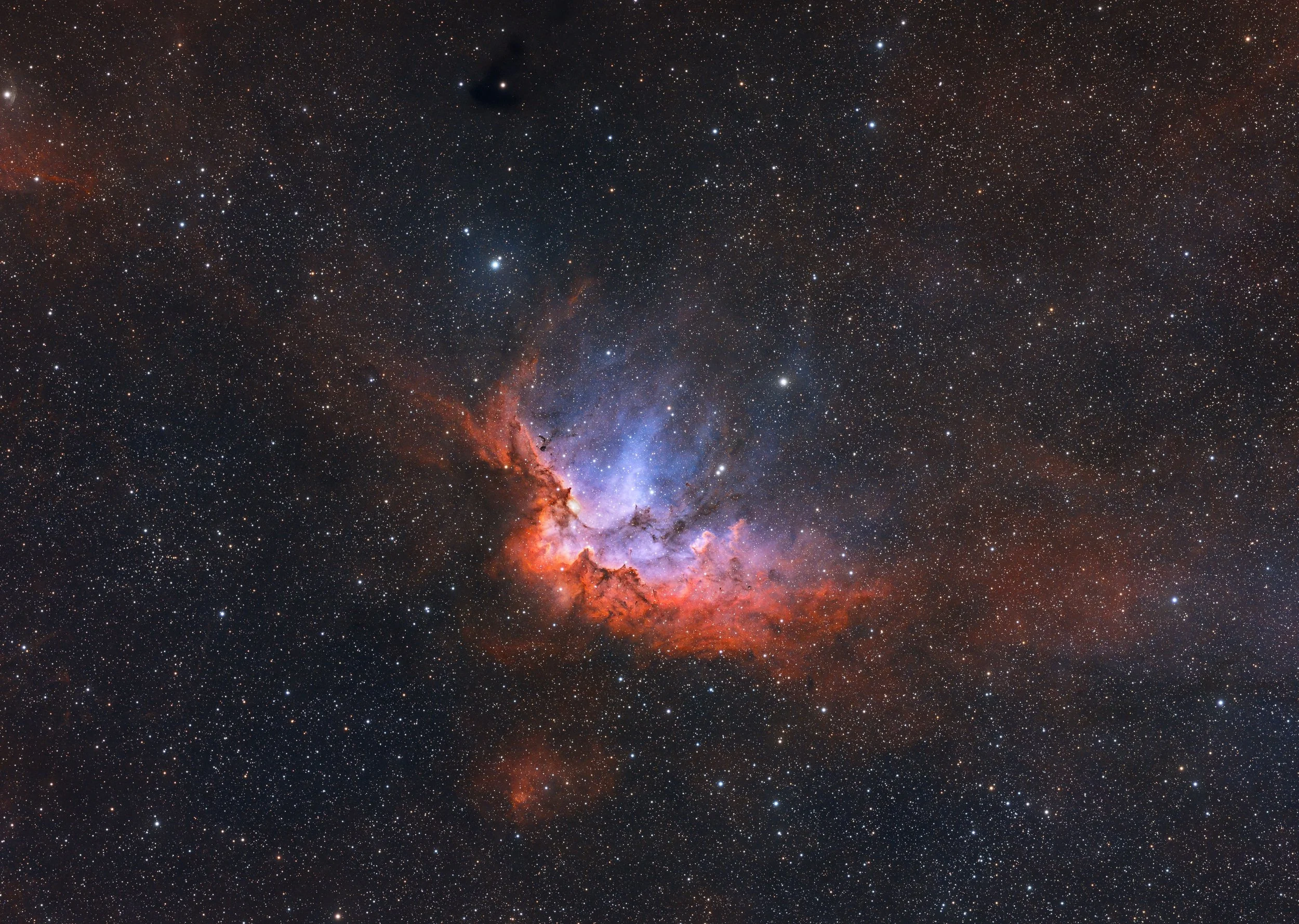
Sh2-142 – The Wizard Nebula – captured with a Sky-Watcher Esprit 100 at f/4.12 with ASI2600MM Pro camera and LRGBHSO filters. Image by Cosmic Captures

NGC 2359 – Thor’s Helmet Nebula – processed by Cosmic Captures from Telescope.Live image data

IC 405 & IC 410 – Tadpoles and Flaming Star Nebula – captured with a Sky-Watcher Esprit 100 at f/4.12 with ASI2600MM Pro camera and LRGBHSO filters. Image by Cosmic Captures

M17 – The Swan Nebula – captured with a Sky-Watcher Esprit 100 at f/4.12 with ASI2600MM Pro camera and LRGBHSO filters. Image by Cosmic Captures

Rho Ophiuchi – 2x2 Mosaic, captured with a Sky-Watcher Esprit 100 at f/4.12 with ASI2600MM Pro camera and LRGBHSO filters. Image by Cosmic Captures

M16 – The Eagle Nebula – processed by Cosmic Captures from Telescope.Live image data

M20 & M8 –Lagoon Nebula and Trifid Nebula – captured with a RedCat 51 with ASI2600MC Pro camera. Image by Cosmic Captures

NGC 6357 & NGC 6334 – War and Peace & the Cat’s Paw Nebula – processed by Cosmic Captures from Telescope.Live image data

Eta Carinae Nebula – captured with a RedCat 51 with ASI2600MC Pro camera in RGB and with a dual narrowband filter. Image by Cosmic Captures

NGC 6820 – captured with a Sky-Watcher Esprit 100 at f/4.12 with ASI2600MM Pro camera and LRGBHSO filters. Image by Cosmic Captures
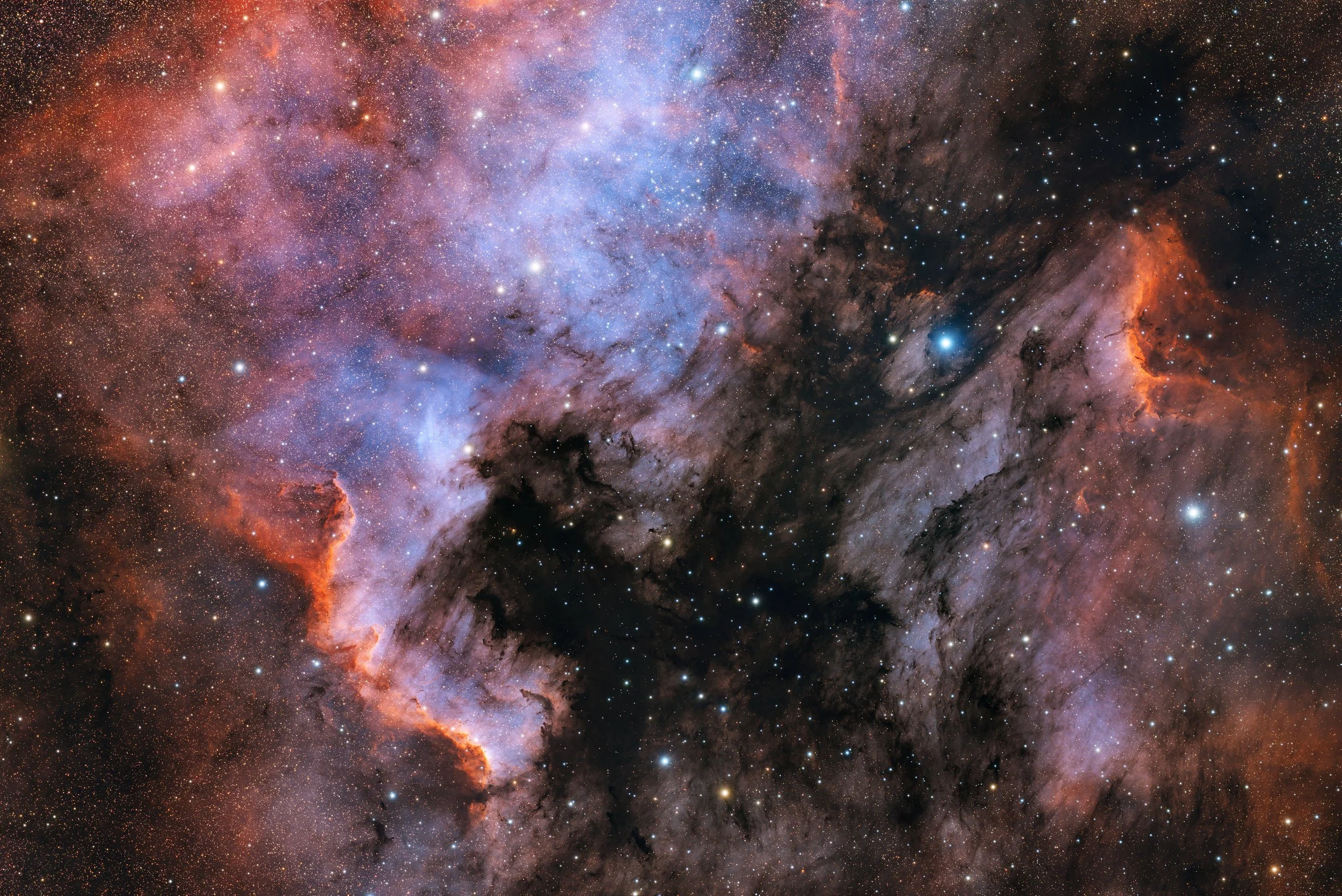
NGC7000 – Northamerica Nebula – captured with a Radian Raptor 61 with ASI2600MM Pro camera and HSO filters. Image by Cosmic Captures

NGC 6188 – The Fighting Dragons of Ara – processed by Cosmic Captures from Telescope.Live image data
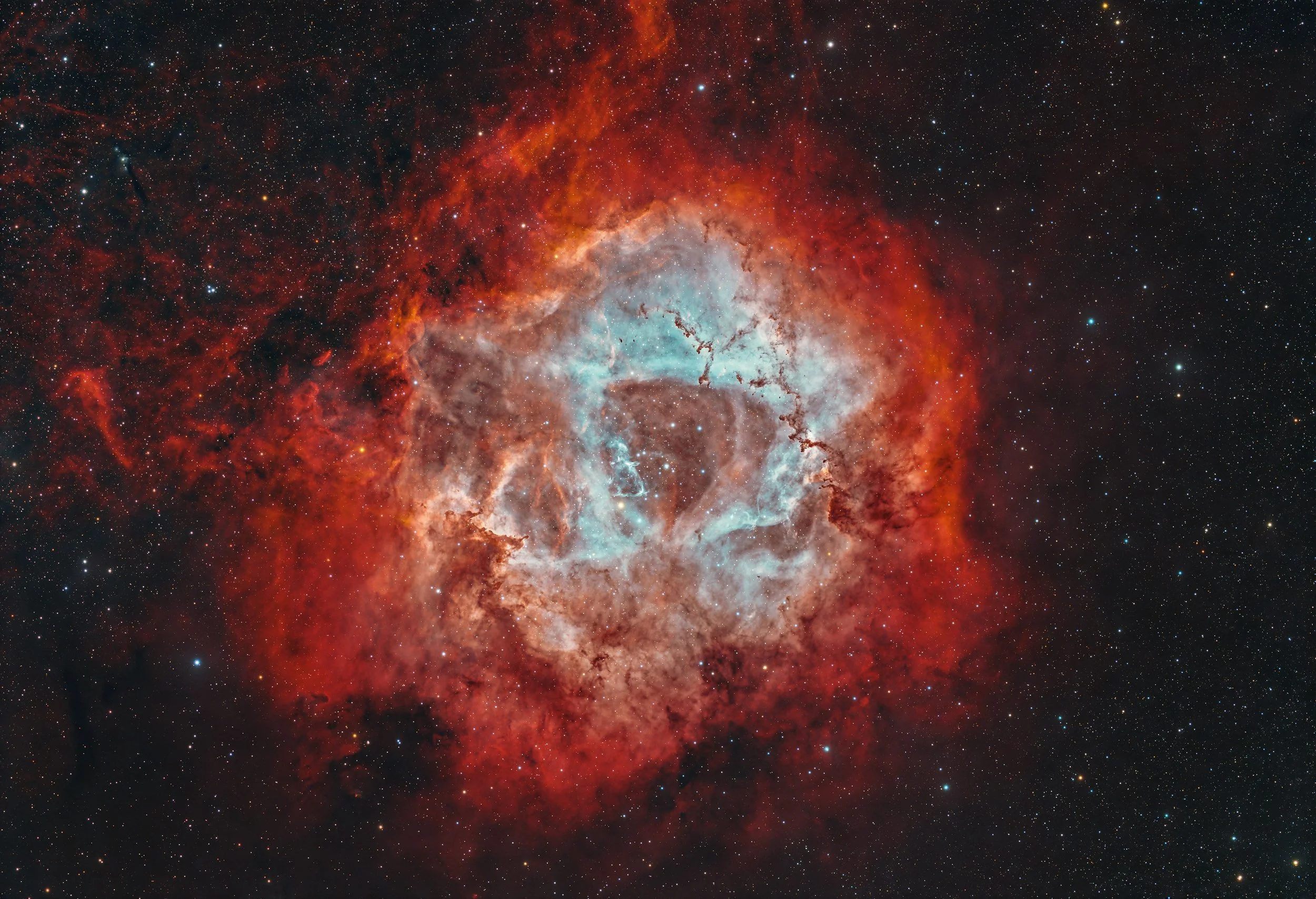
NGC 2237 – Rosette Nebula – captured with a Sky-Watcher Esprit 100 at f/4.12 with ASI2600MM Pro camera and LRGBHSO filters. Image by Cosmic Captures

NGC 3576 – Statue of Liberty Nebula – processed by Cosmic Captures from Telescope.Live image data
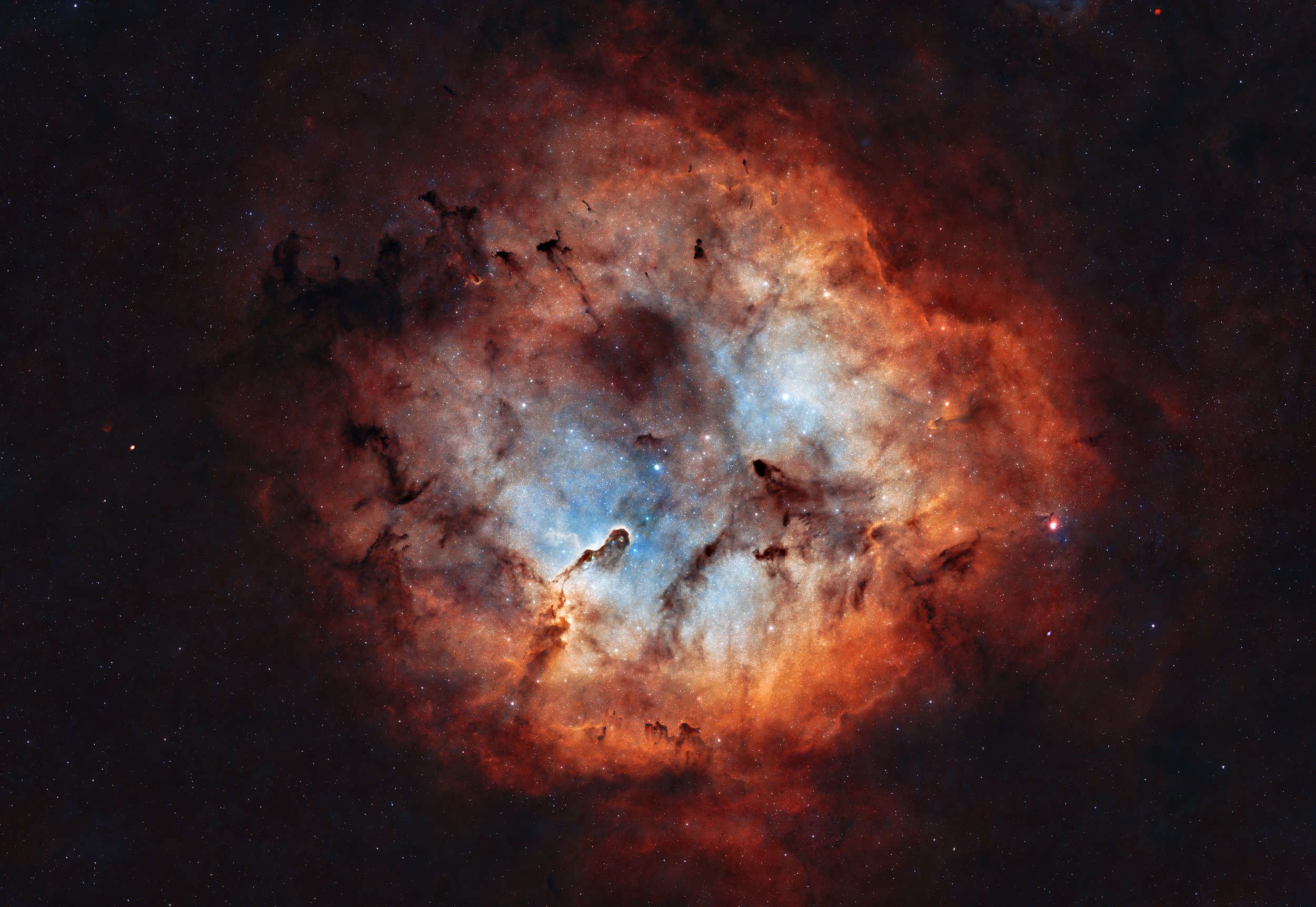
IC 1396 – Elephant's Trunk Nebula – captured with a Radian Raptor 61 with ASI2600MM Pro camera and HSO filters. Image by Cosmic Captures
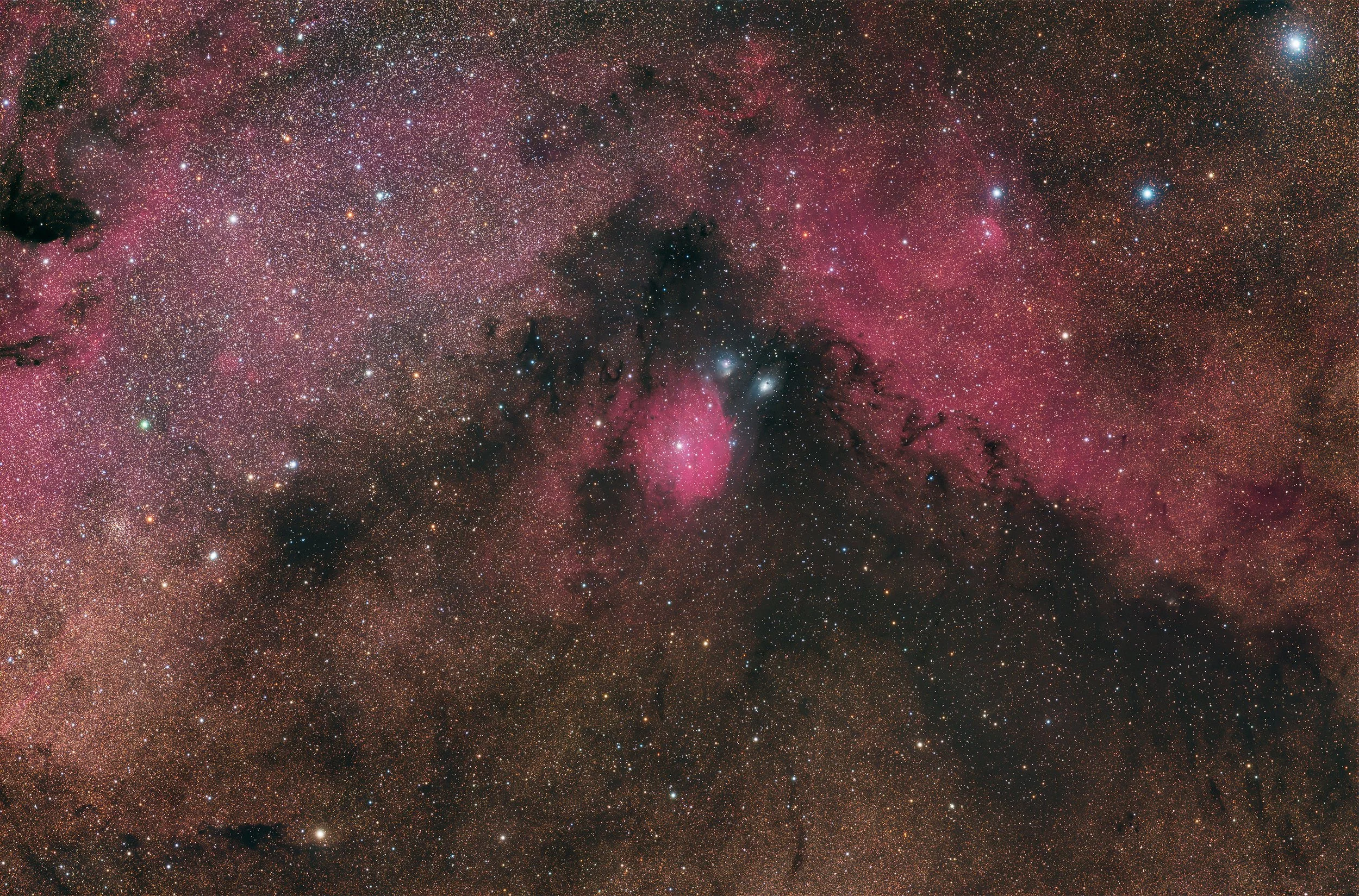
IC 1284 – captured with a Sky-Watcher Esprit 100 at f/4.12 with ASI2600MM Pro camera and LRGBHSO filters. Image by Cosmic Captures