
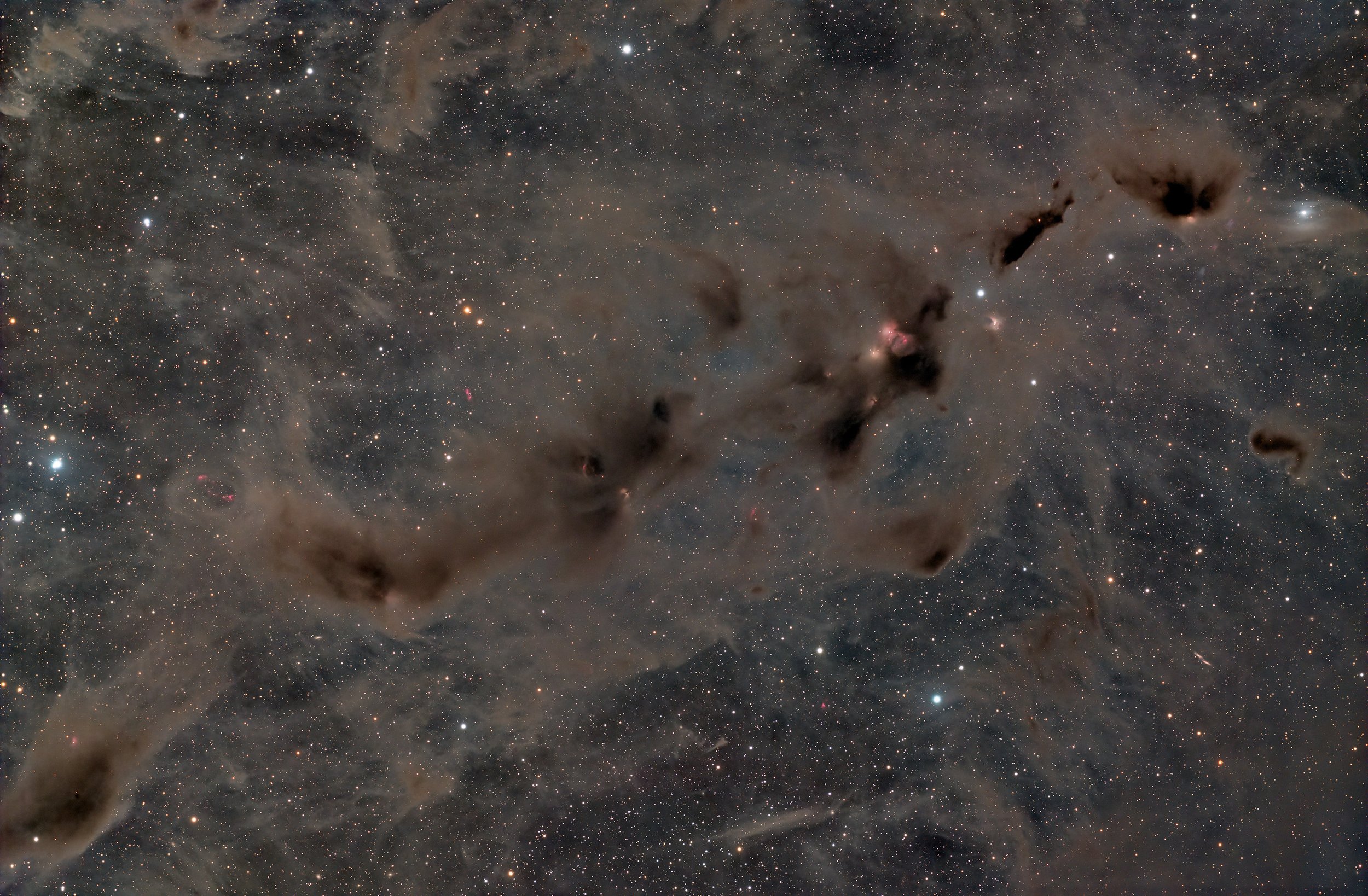

Dark Nebulae — Shadows in the Milky Way
Dark nebulae are dense clouds of interstellar dust that block the light of stars and glowing gas behind them. Instead of shining on their own, they appear as dark lanes and shapes against the brighter background of the Milky Way, revealing the structure of cosmic dust clouds in silhouette.
Dark nebulae are broadband targets and are captured without filters, which usually reduce the surrounding starlight and make the dark structures harder to see. Natural colour imaging works best, with long integration times helping to reveal subtle contrasts in the dust and star fields.
Dark skies are especially important for imaging dark nebulae. Their delicate contrast depends on a rich background of faint stars and Milky Way detail, which can be easily lost under light pollution.
Many dark nebulae cover large areas of the sky and are well suited to short focal lengths and wide-field imaging, including DSLR or mirrorless cameras with fast lenses. Longer focal lengths can be useful for isolating smaller dust structures within the Milky Way.
These images show real objects captured from Earth with modern astrophotography equipment. Many of them represent hours — sometimes dozens of hours — of collected light, carefully processed to reveal details that would otherwise remain invisible.
No simulations and no AI-generated imagery, only real photons gathered under the night sky.
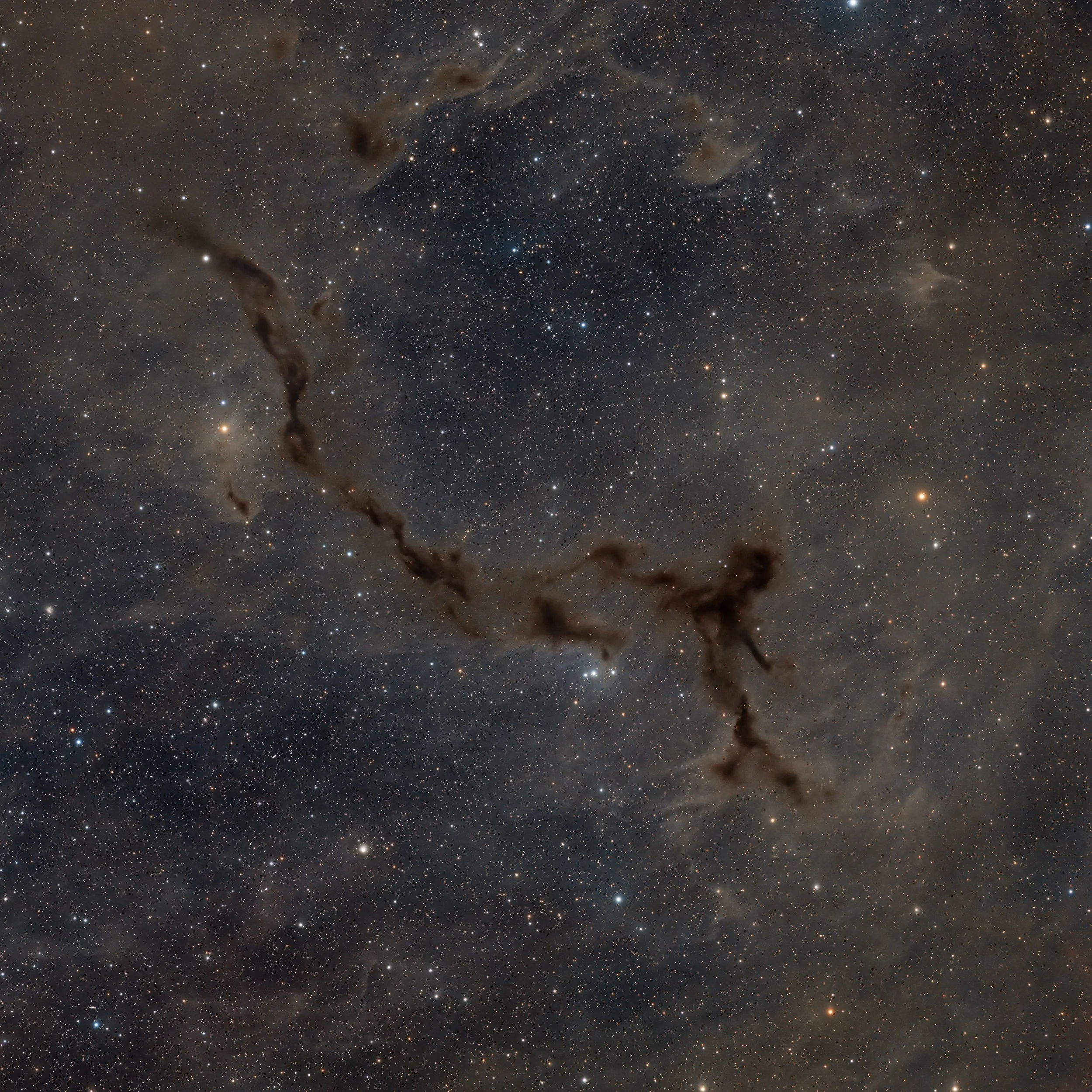
Barnard 150 – Seahorse Nebula (though in this orientation it looks more like a dancer with a flying scarf to me) – captured with a Sky-Watcher Esprit 100 at f/4.12 with ASI2600MM Pro camera and LRGB filters. Image by Cosmic Captures
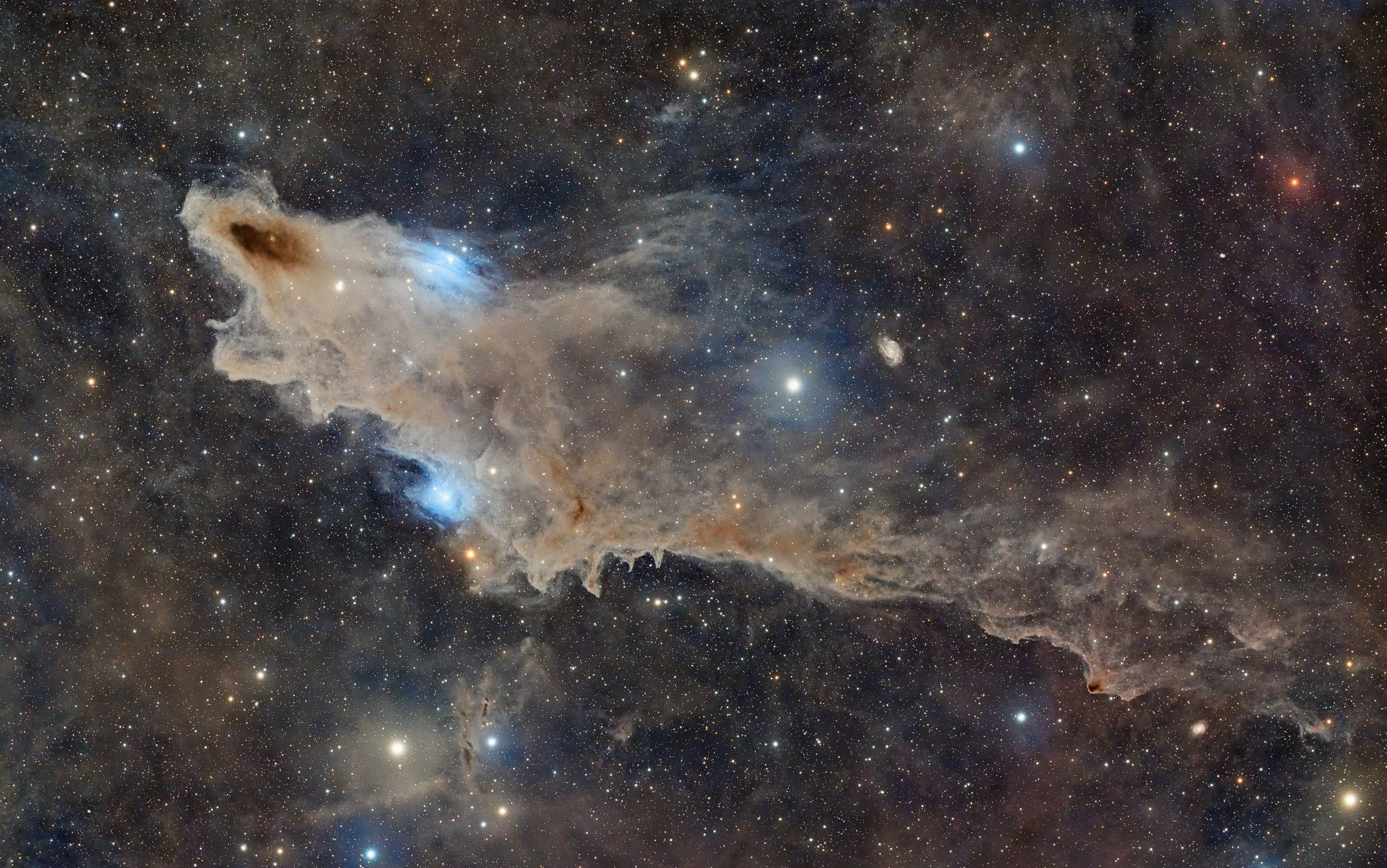
LDN 1235 – Dark Shark Nebula – captured with a Sky-Watcher Esprit 100 at f/4.12 with ASI2600MM Pro camera and LRGB filters. Image by Cosmic Captures
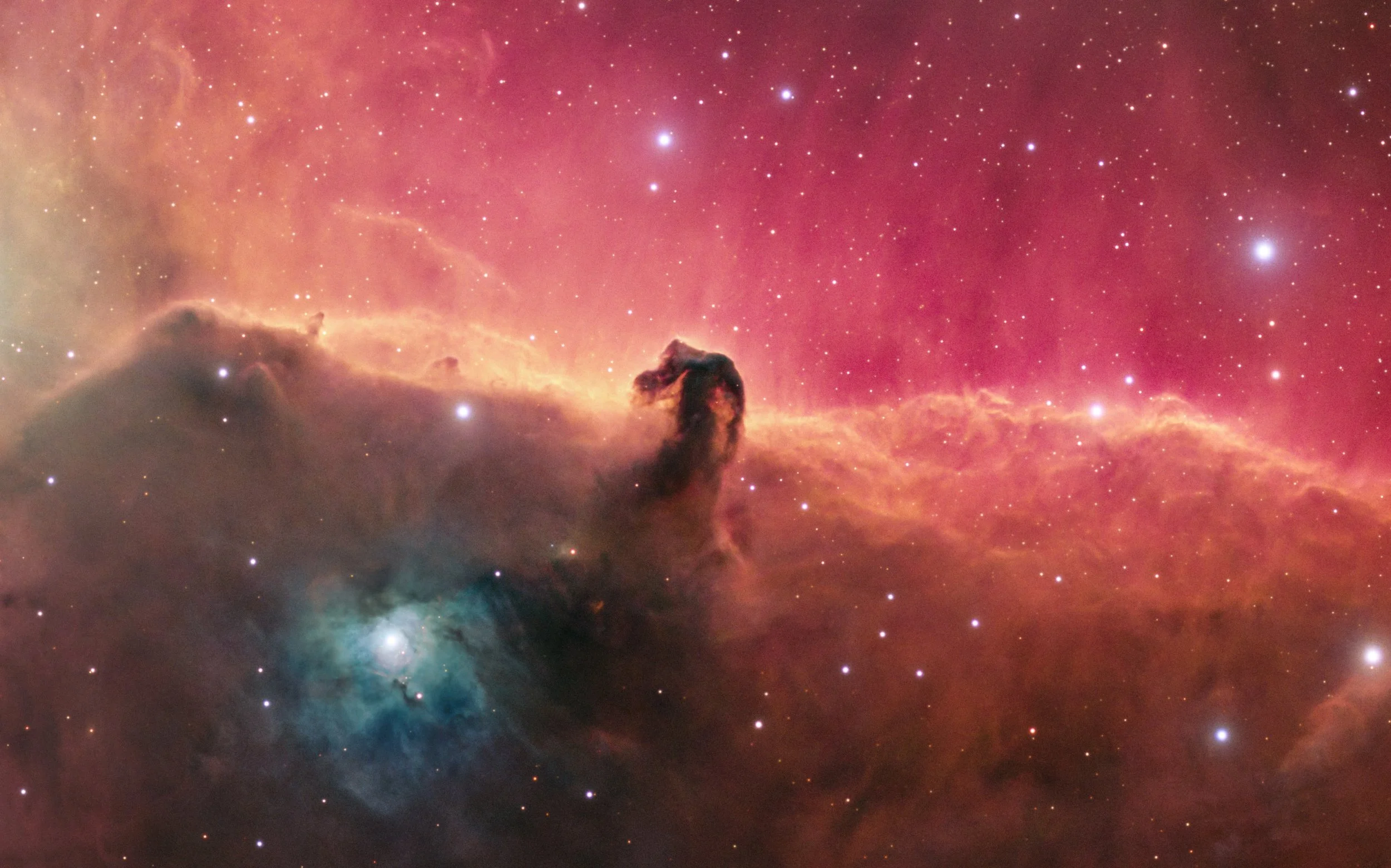
Barnard 33 – Horsehead Nebula – captured with a Sky-Watcher Esprit 100 at f/4.12 with ASI2600MM Pro camera and LRGBHSO filters. Image by Cosmic Captures
Barnard 18 – Kutner’s Cloud – captured with a Sky-Watcher Esprit 100 at f/4.12 with ASI2600MM Pro camera and LRGB filters. Image by Cosmic Captures
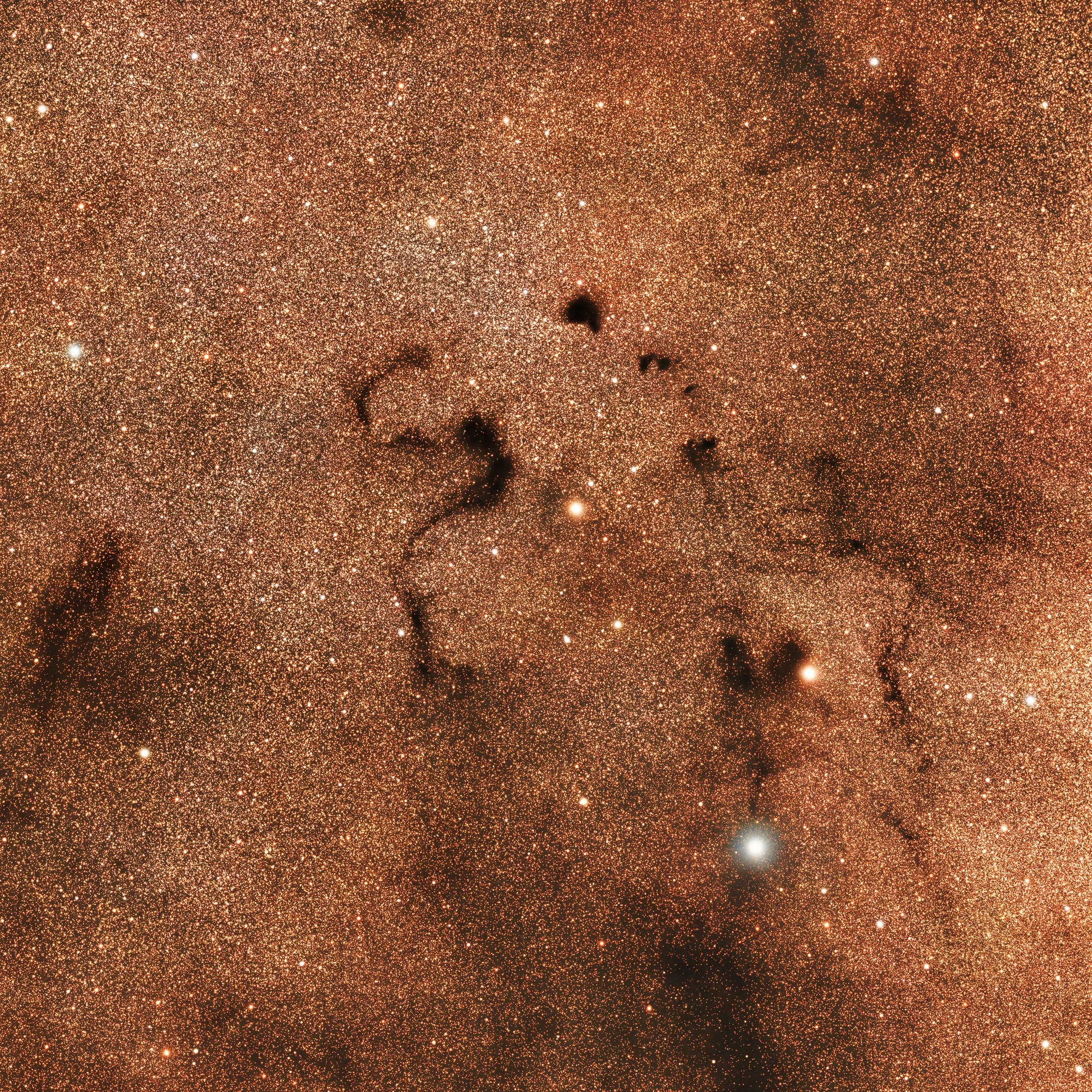
Barnard 72 – Snake Nebula – captured with a Sky-Watcher Esprit 100 at f/4.12 with ASI2600MM Pro camera and RGB filters. Image by Cosmic Captures

LDN 1622 – Boogeyman Nebula – captured with a Sky-Watcher Esprit 100 at f/4.12 with ASI2600MM Pro camera and LRGBH filters. Image by Cosmic Captures

Corona Australis molecular cloud complex – captured with a RedCat 51 with ASI2600MC Pro camera. Image by Cosmic Captures
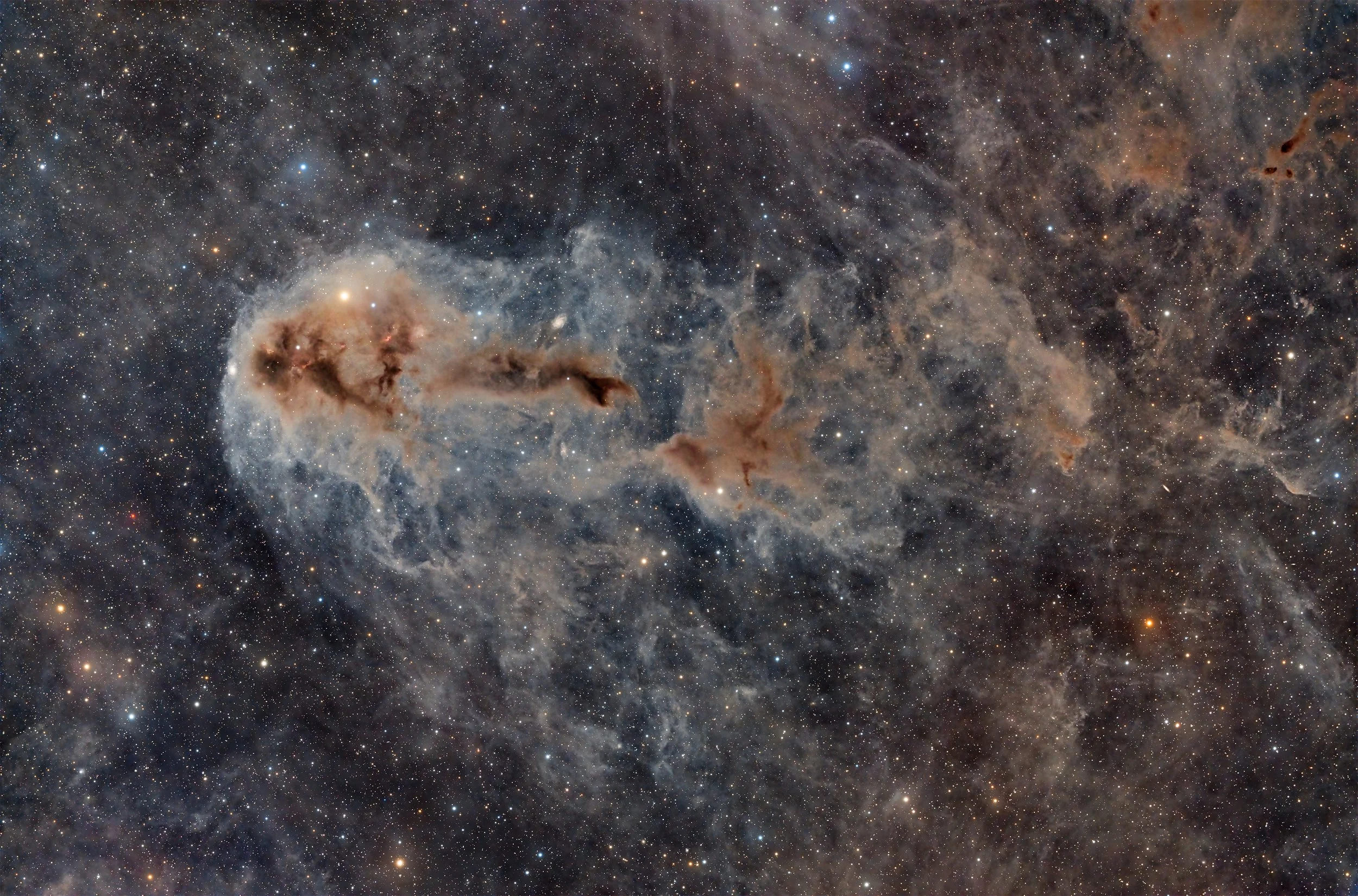
LDN 1251 – Rotten Fish Nebula – captured with a Sky-Watcher Esprit 100 at f/4.12 with ASI2600MM Pro camera and LRGB filters. Image by Cosmic Captures

Dust Complex around vdB 123 – captured with a Sky-Watcher Esprit 100 at f/4.12 with ASI2600MM Pro camera and LRGBHO filters. Image by Cosmic Captures
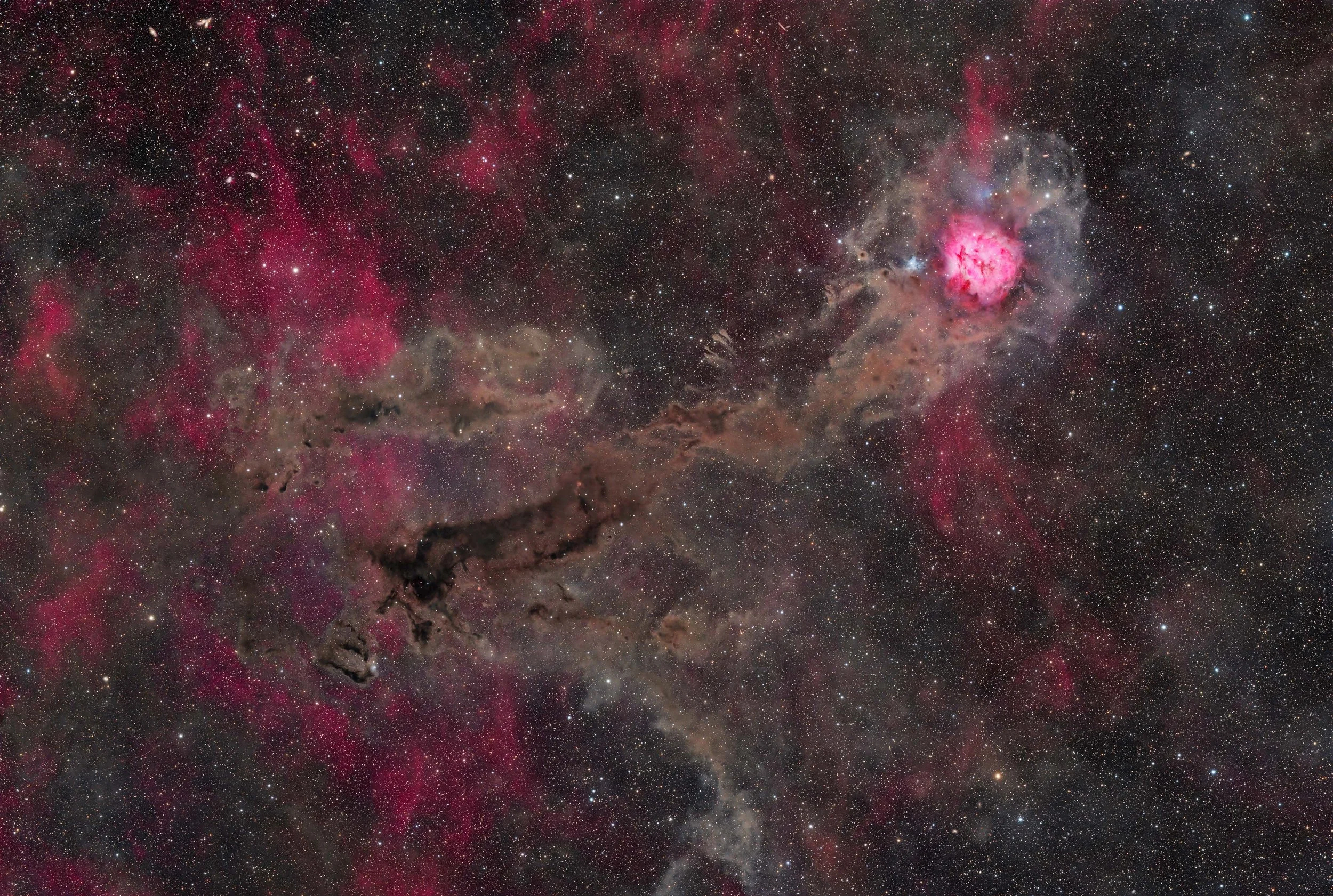
Barnard 168 & IC 5146 – Cocoon Nebula – captured with a Sky-Watcher Esprit 100 at f/4.12 with ASI2600MM Pro camera and LRGBH filters. Image by Cosmic Captures
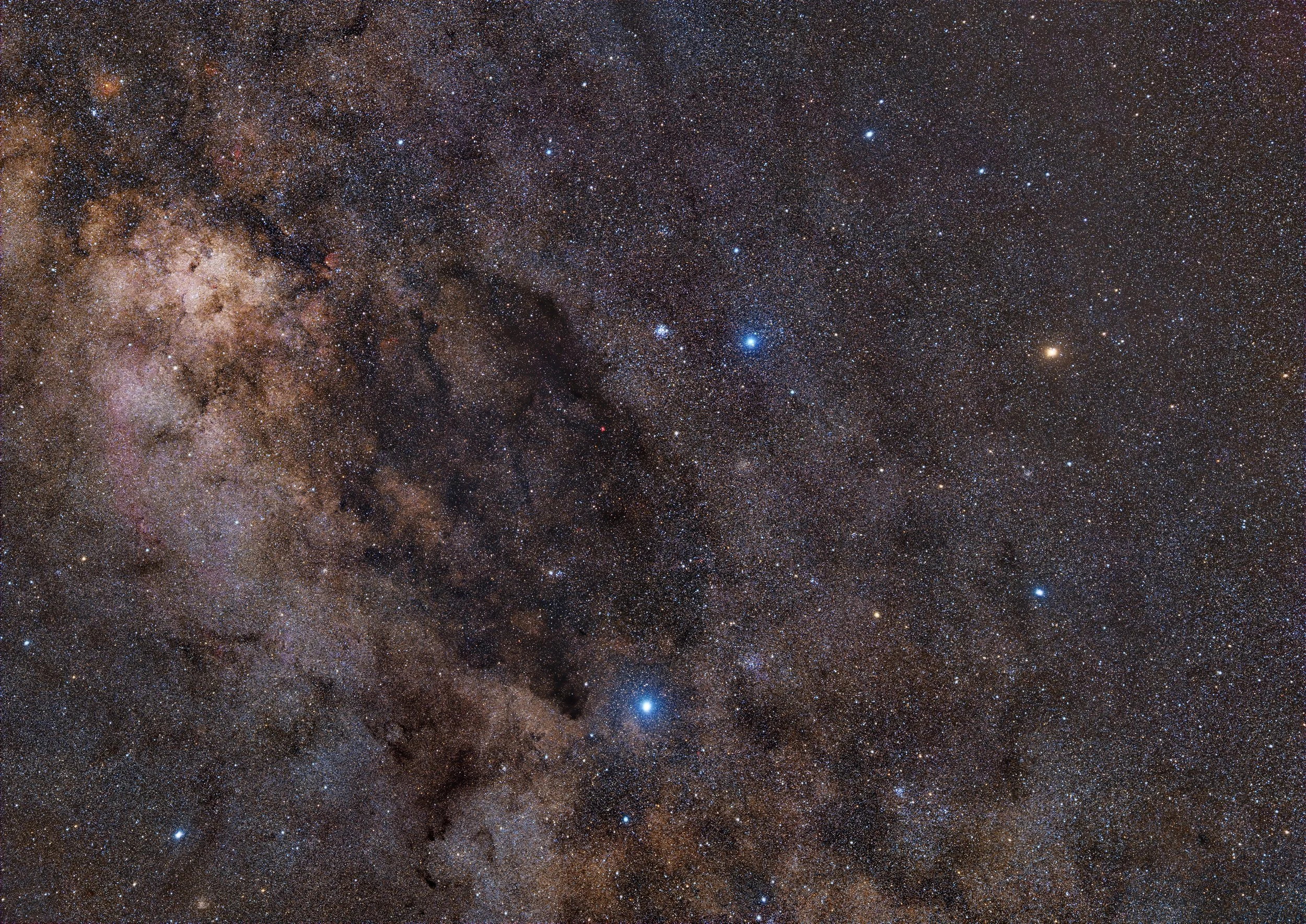
The Coalsack & the constellation Crux – captured with a Sony A7RIV with a 135mm lens. Image by Cosmic Captures
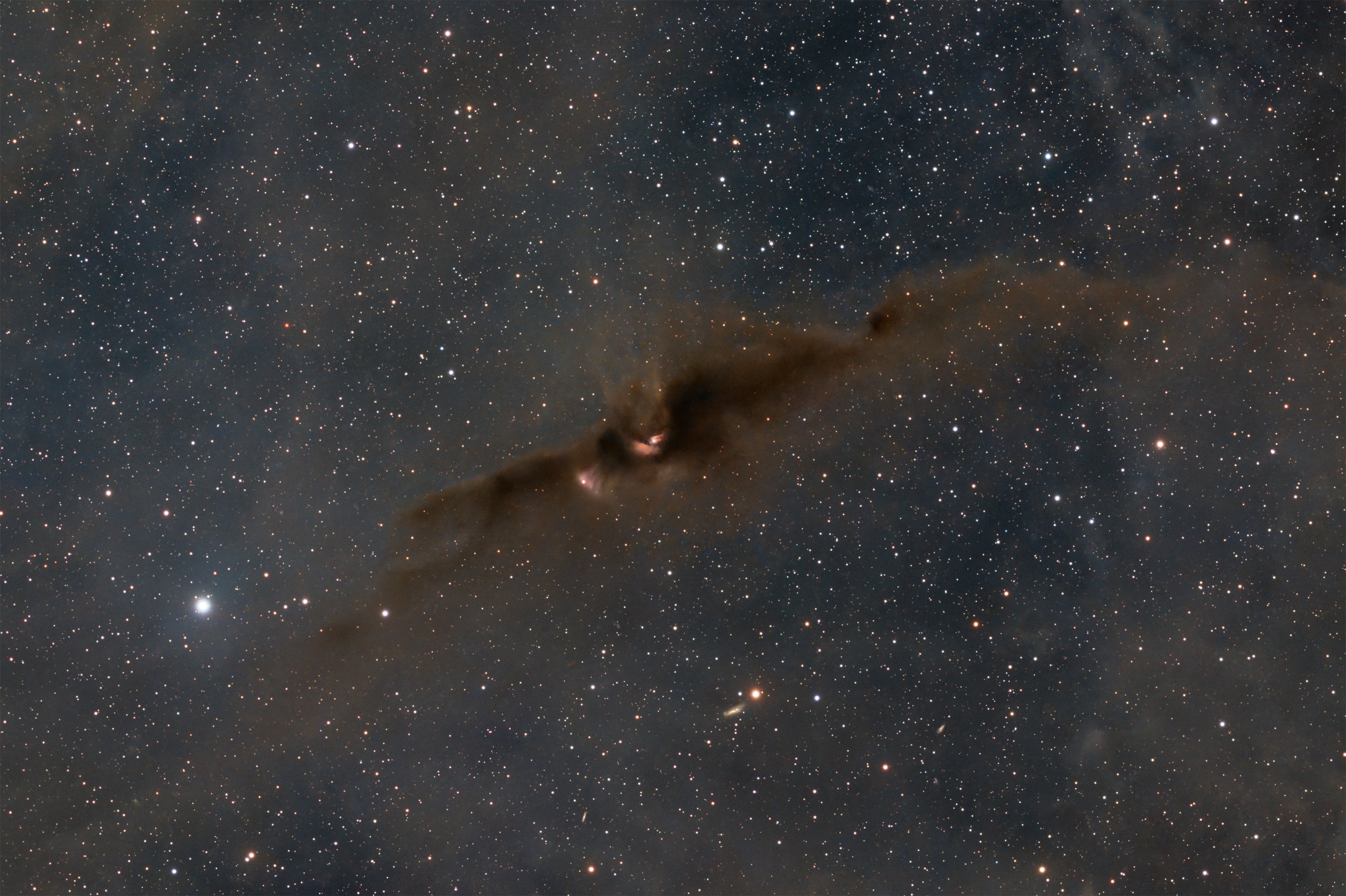
LDN 43 – Cosmic Bat Nebula – captured with a Sky-Watcher Esprit 100 at f/4.12 with ASI2600MM Pro camera and LRGB filters. Image by Cosmic Captures
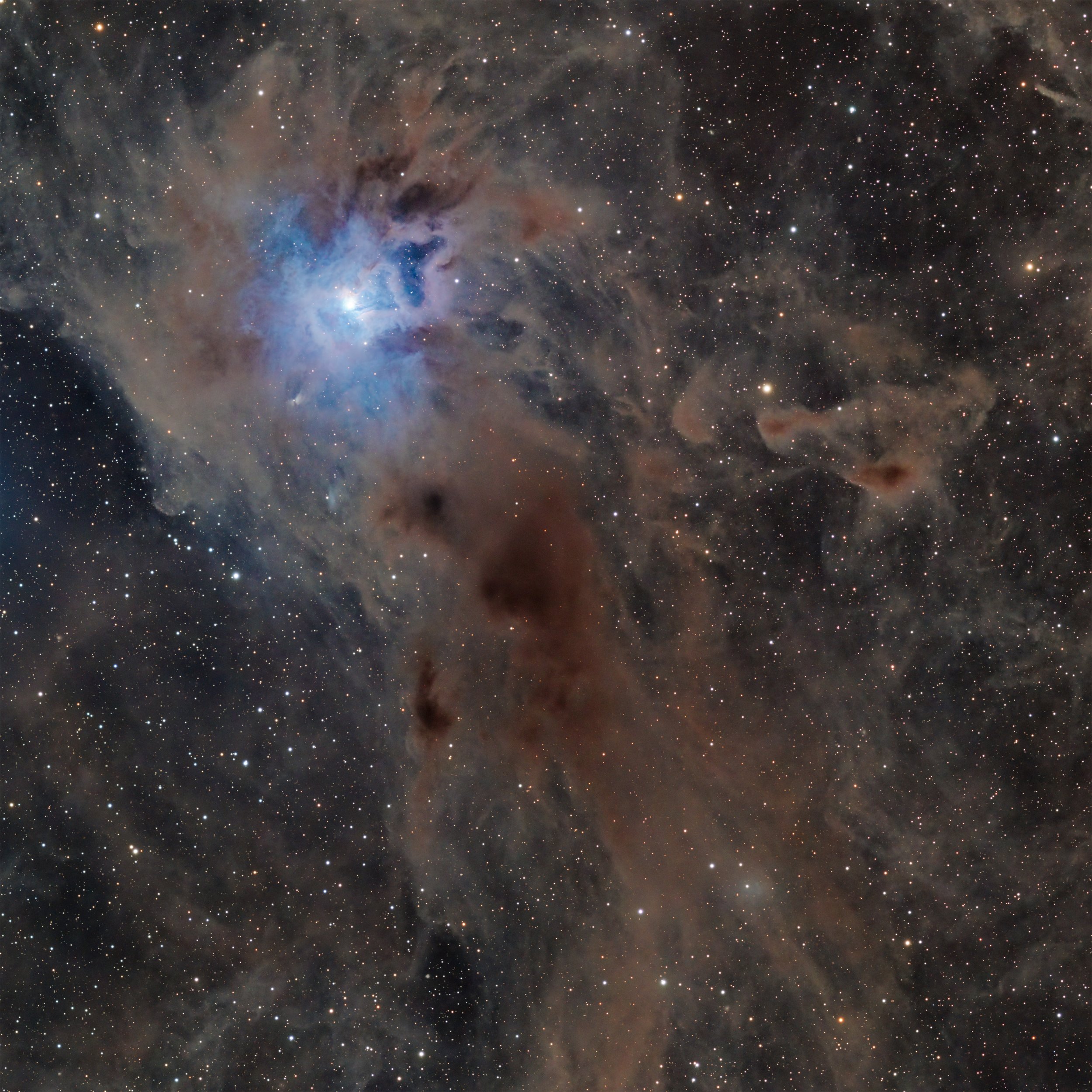
Dark Nebulae surrounding the Iris Nebula – captured with a Sky-Watcher Esprit 100 at f/4.12 with ASI2600MM Pro camera and LRGB filters. Image by Cosmic Captures