

Galaxies — Beyond the Milky Way
Galaxies are enormous systems of stars, gas, and dust far beyond our own Milky Way. Most appear small and faint in the sky, but each one contains billions of stars arranged in spirals, ellipses, or irregular structures shaped over cosmic time.
Because galaxies are typically small targets, they are best imaged with longer focal lengths and accurate tracking. Long integration times help reveal faint outer regions and delicate dust lanes.
Galaxies are broadband objects, so light-pollution filters and dual-band or narrowband filters generally provide little or no benefit and often reduce image quality.
Dark skies help, but for some of the brightest galaxies — including many Messier objects — even suburban skies can produce excellent results.
On larger nearby galaxies, individual star-forming regions can sometimes be resolved. In these cases, adding H-alpha data — and occasionally even full narrowband combinations — can help highlight emission nebulae embedded within the galaxy.
These images show real objects captured from Earth with modern astrophotography equipment. Many of them represent hours — sometimes dozens of hours — of collected light, carefully processed to reveal details that would otherwise remain invisible.
No simulations and no AI-generated imagery, only real photons gathered under the night sky.
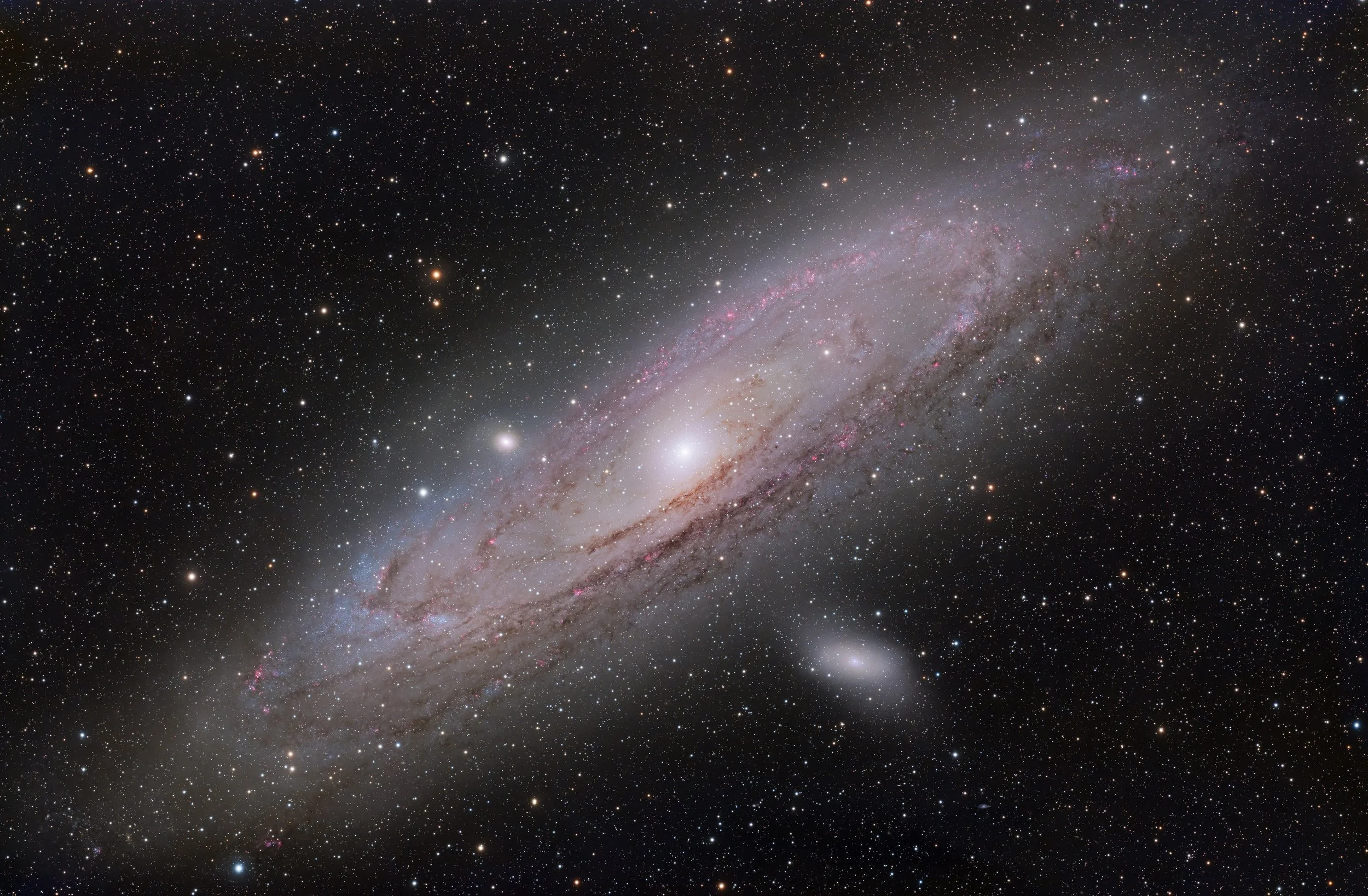
M31 – Andromeda Galaxy – captured with a Sky-Watcher Esprit 100 at f/4.12 with ASI2600MM Pro camera and LRGBH filters. Image by Cosmic Captures

M51 – Whirlpool Galaxy – processed by Cosmic Captures from Telescope.Live image data
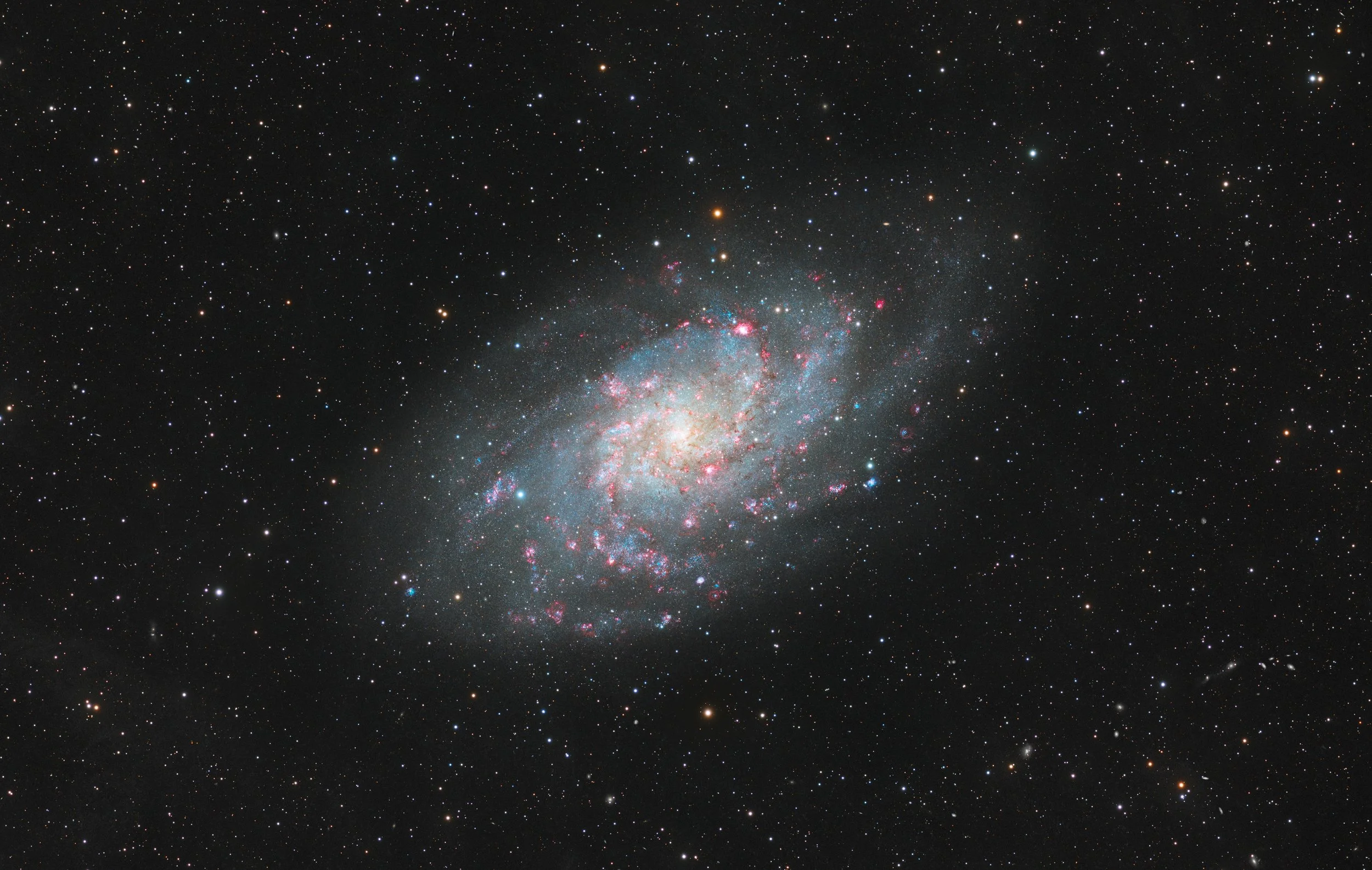
M33 – Triangulum Galaxy – captured with a Sky-Watcher Esprit 100 at f/4.12 with ASI2600MM Pro camera and LRGBHSO filters. Image by Cosmic Captures
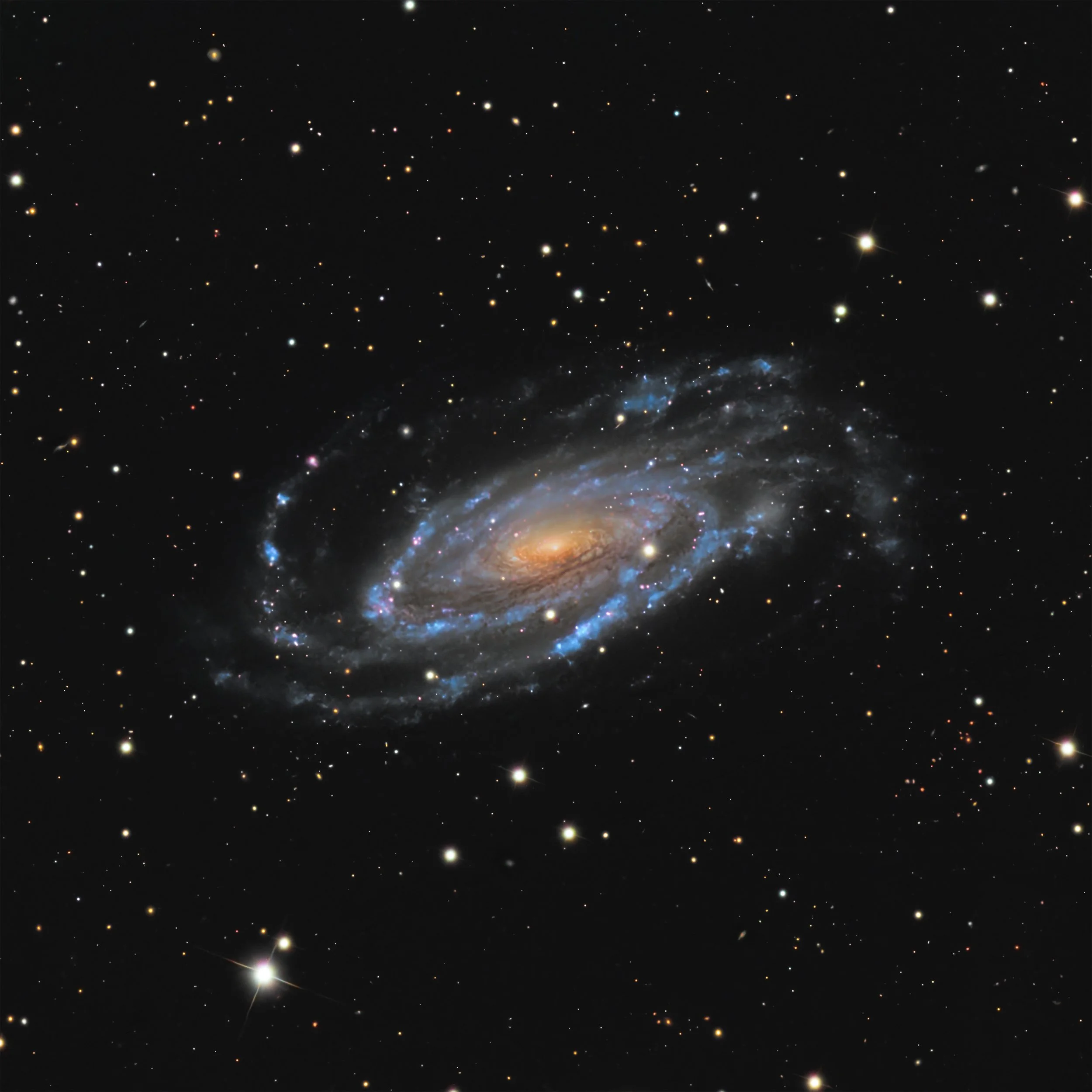
NGC 5033 – Waterbug Galaxy – processed by Cosmic Captures from Telescope.Live image data
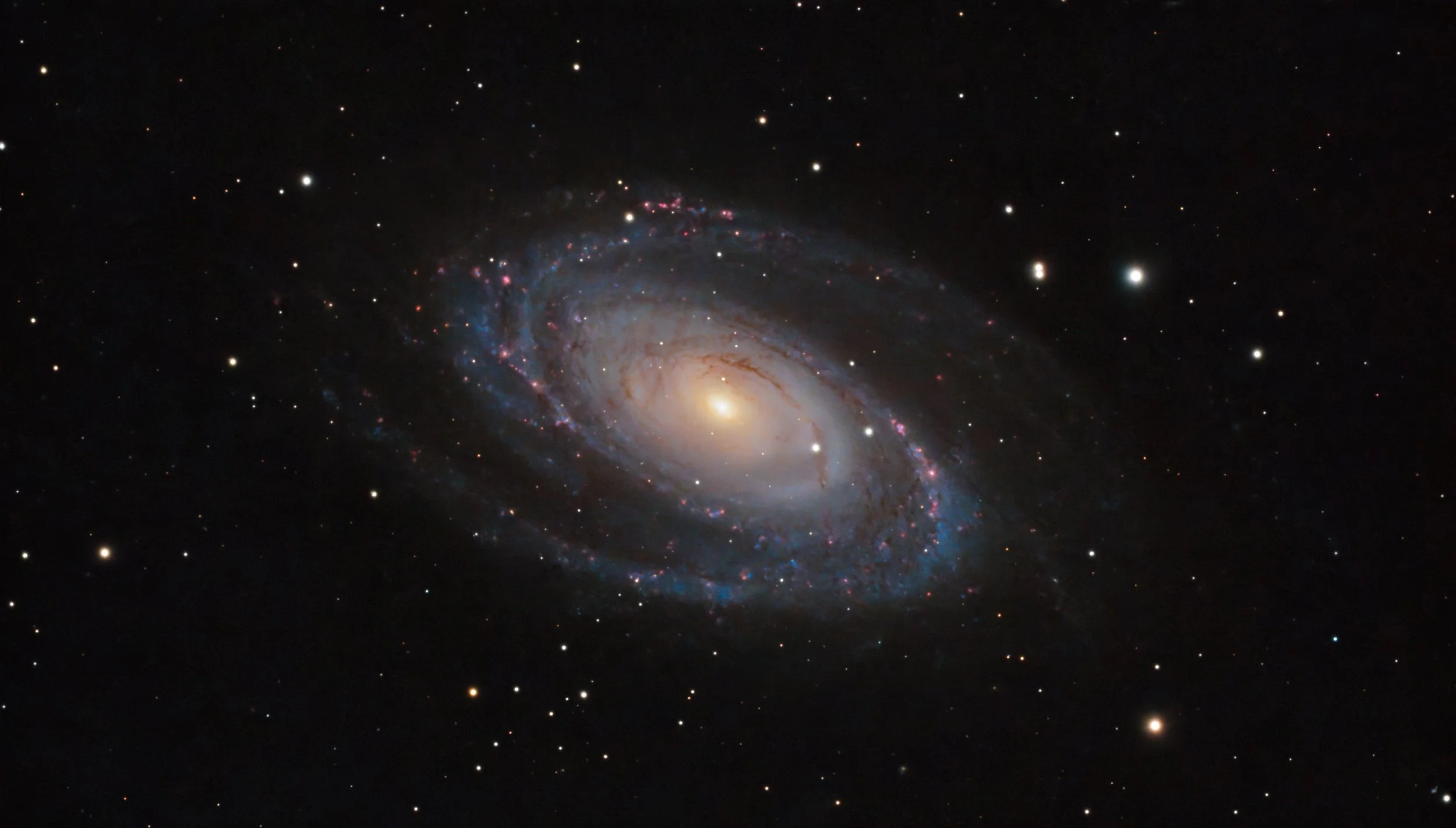
M81 – Bode’s Galaxy, captured with a Celestron C9.25 EdgeHD at f/7 and an ASI294MC Pro camera by Cosmic Captures

M82 & M81 and the surrounding IFN (Integrated Flux Nebula) – captured with a Sky-Watcher Esprit 100 at f/4.12 with ASI2600MM Pro camera and LRGBH filters. Image by Cosmic Captures
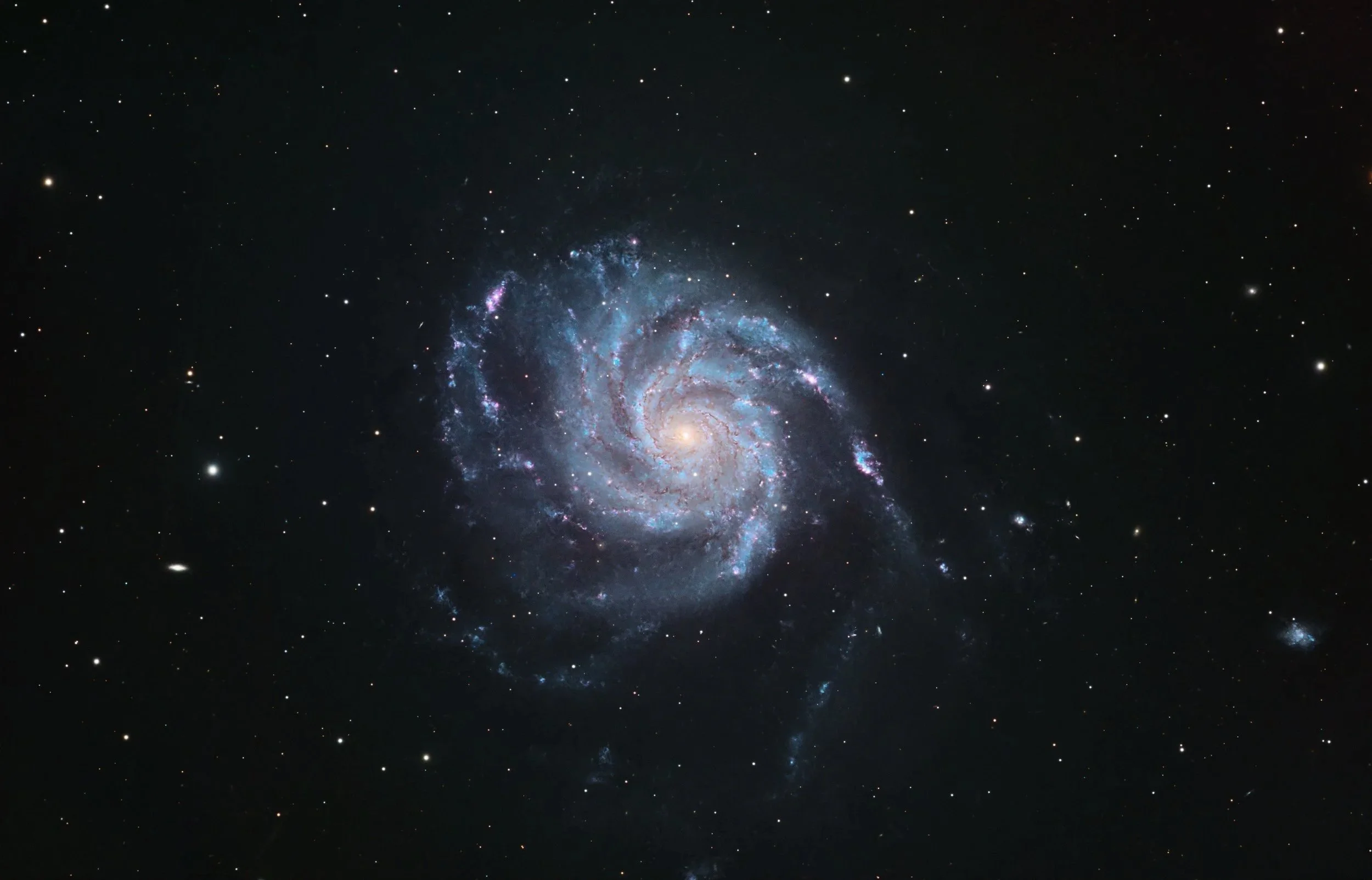
M101 – Pinwheel Galaxy, captured with a Celestron C9.25 EdgeHD at f/7 and an ASI2600MM Pro camera with LRGBH filters. Image by Cosmic Captures

LMC – Large Magellanic Cloud – captured with a RedCat 51 with ASI2600MC Pro camera. Image by Cosmic Captures

The Leo Triplet – consisting of NGC 3628, M66, and M65, captured with a Sky-Watcher Esprit 100 at f/4.12 with ASI2600MM Pro camera and LRGB filters. Image by Cosmic Captures

M104 – Sombrero Galaxy – processed by Cosmic Captures from Telescope.Live image data
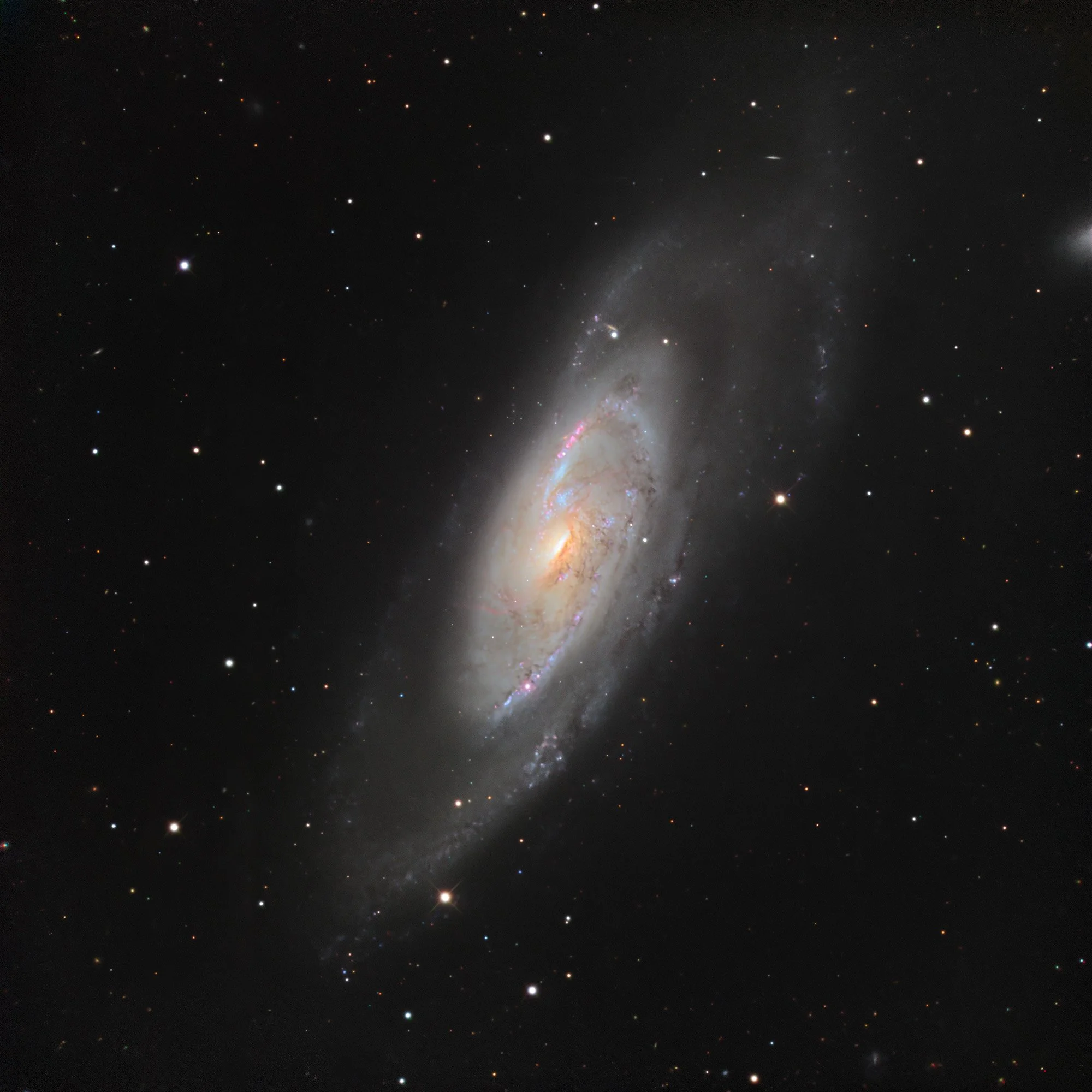
M106 – processed by Cosmic Captures from Telescope.Live image data
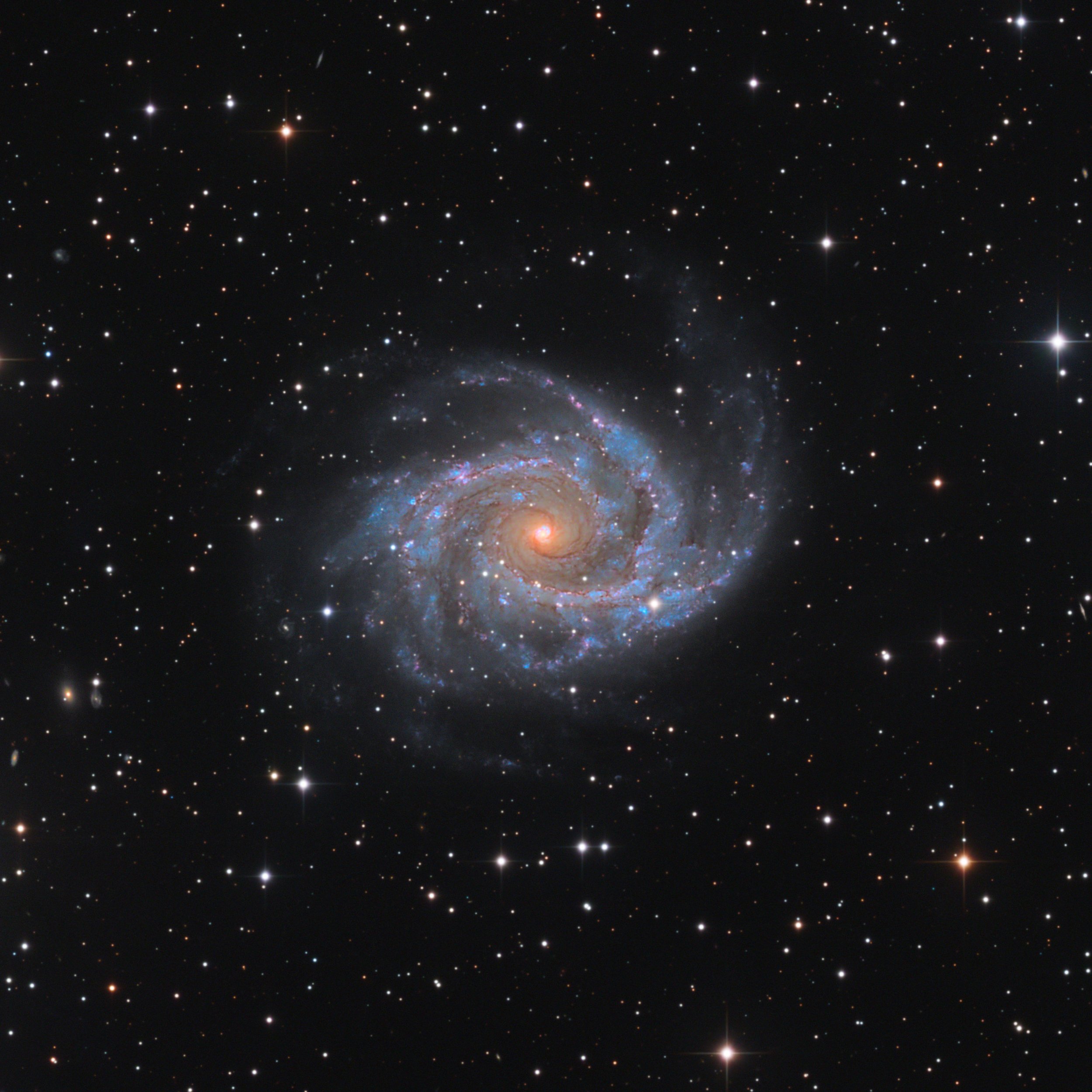
NGC 2997 – processed by Cosmic Captures from Telescope.Live image data
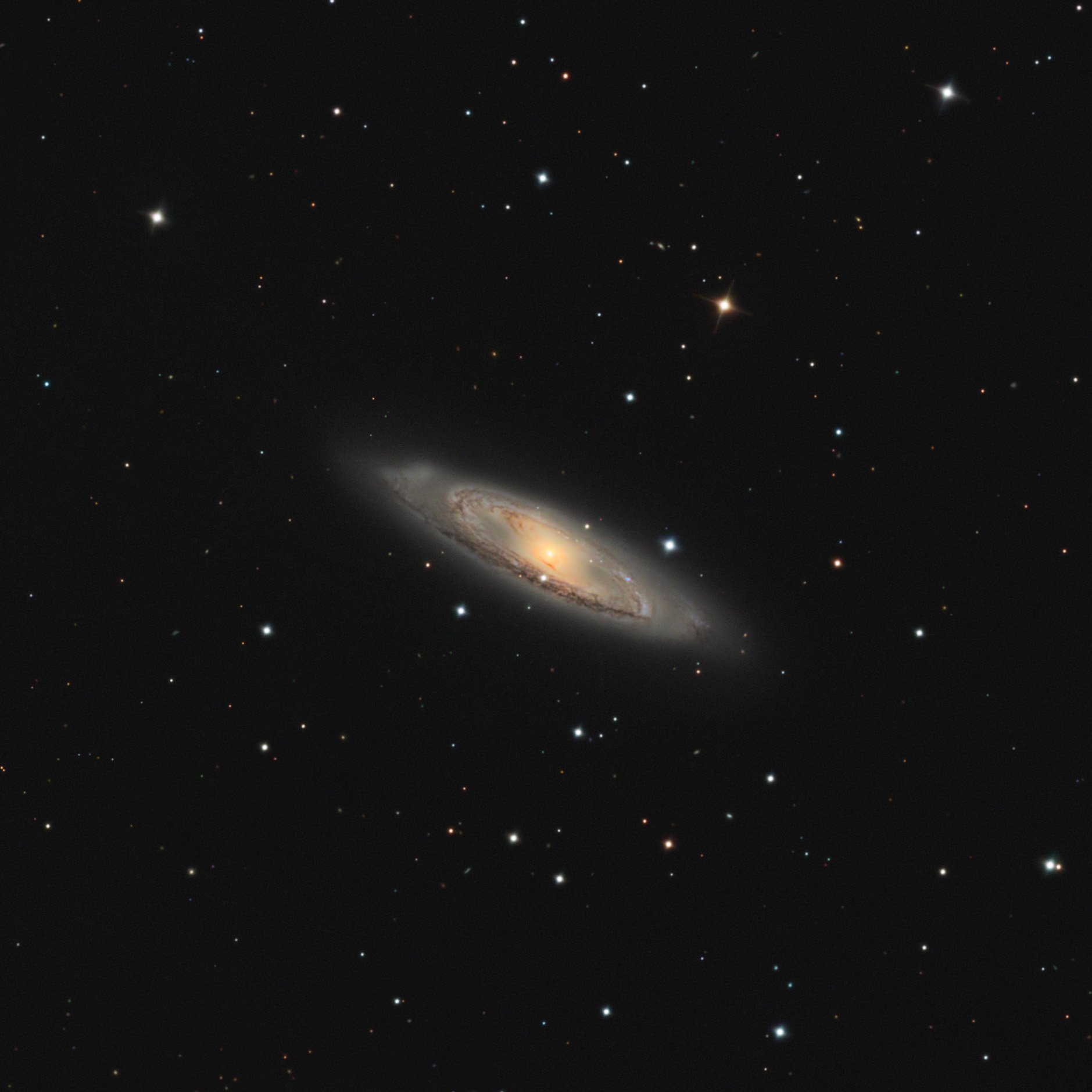
M65 – processed by Cosmic Captures from Telescope.Live image data
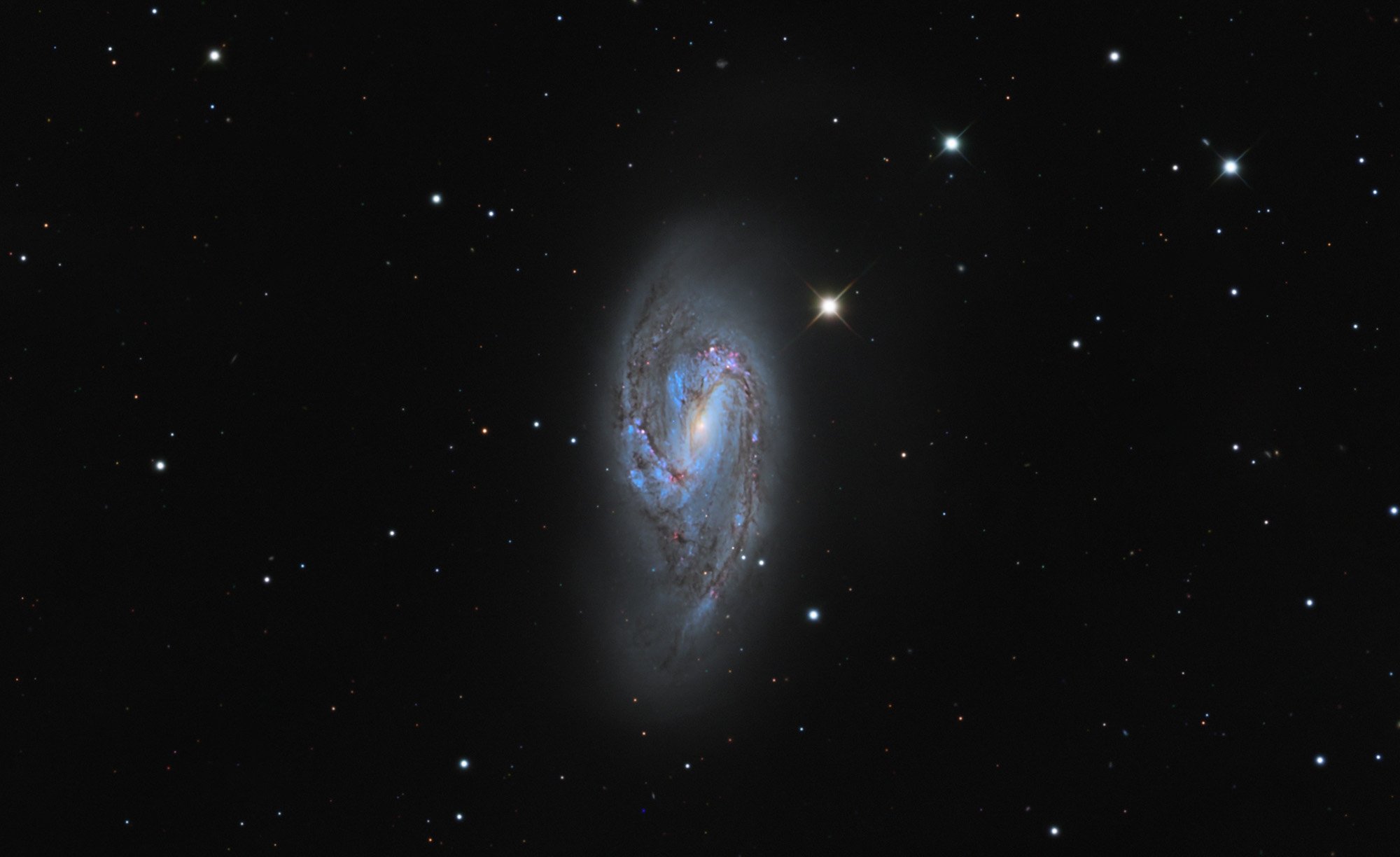
M66 – processed by Cosmic Captures from Telescope.Live image data
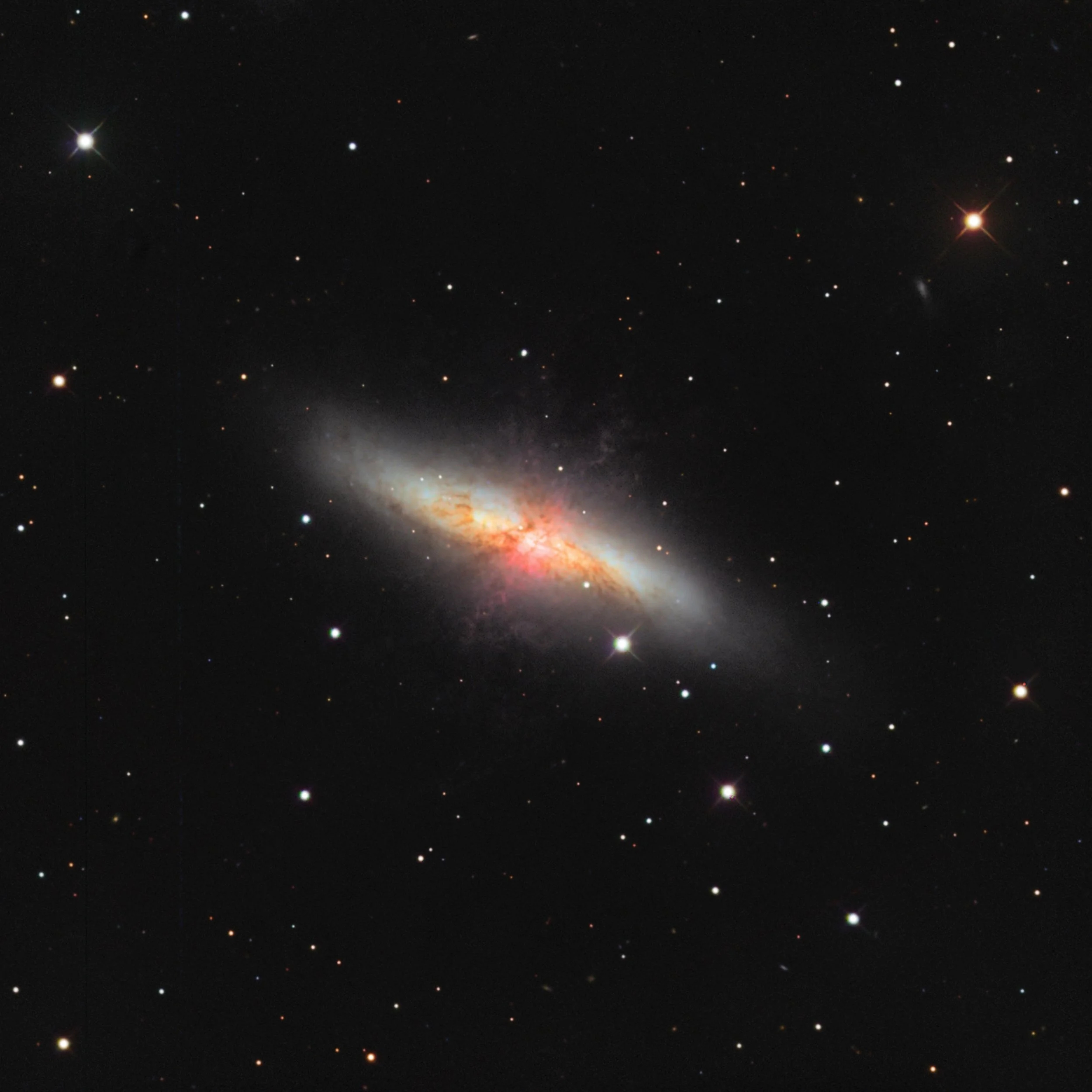
M82 – The Cigar Galaxy – processed by Cosmic Captures from Telescope.Live image data
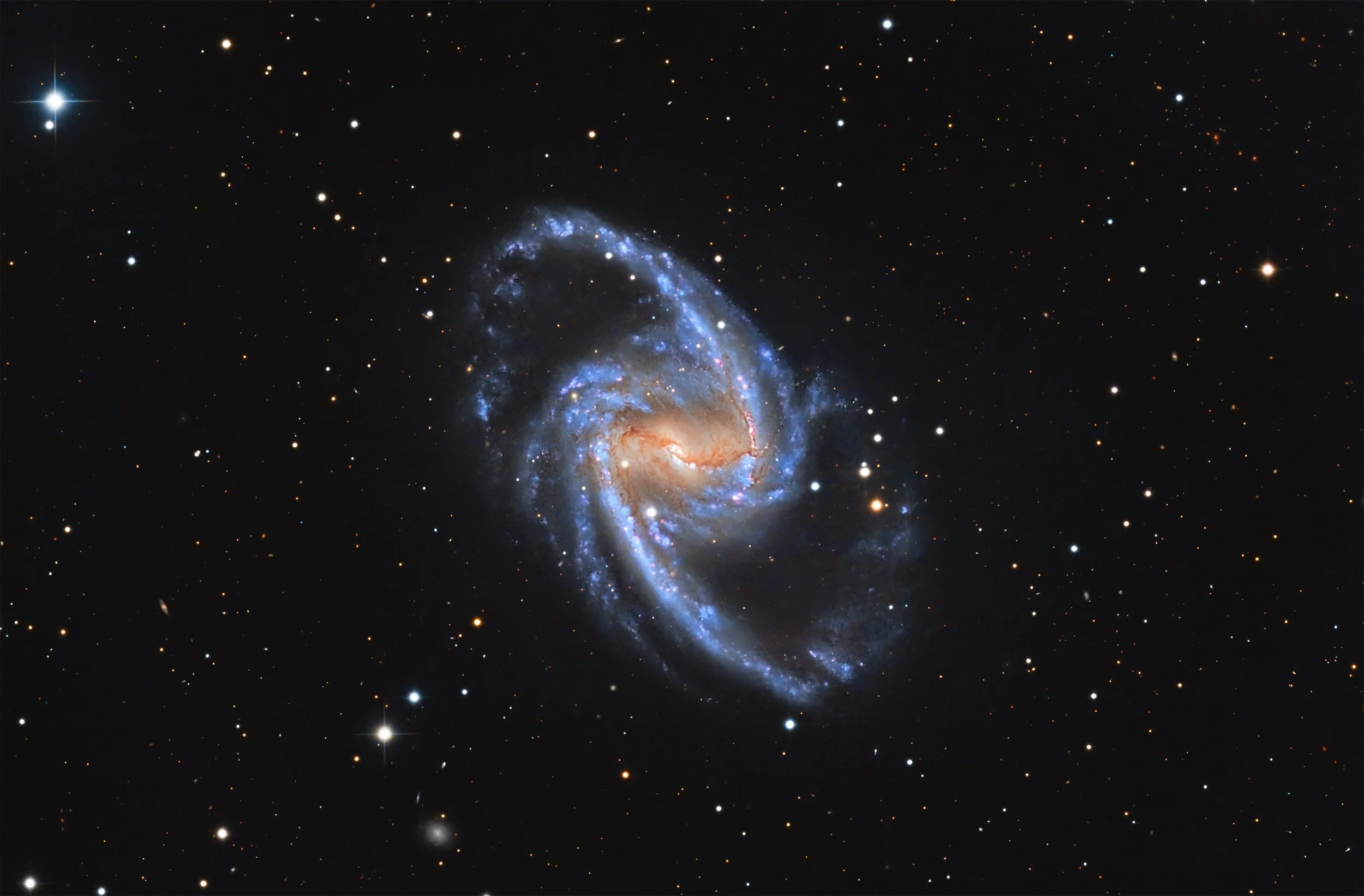
NGC 1365 – The Great Barred Spiral Galaxy – processed by Cosmic Captures from Telescope.Live image data

M63 – The Sunflower Galaxy – processed by Cosmic Captures from Telescope.Live image data

NGC 55 – String of Pearls Galaxy – processed by Cosmic Captures from Telescope.Live image data
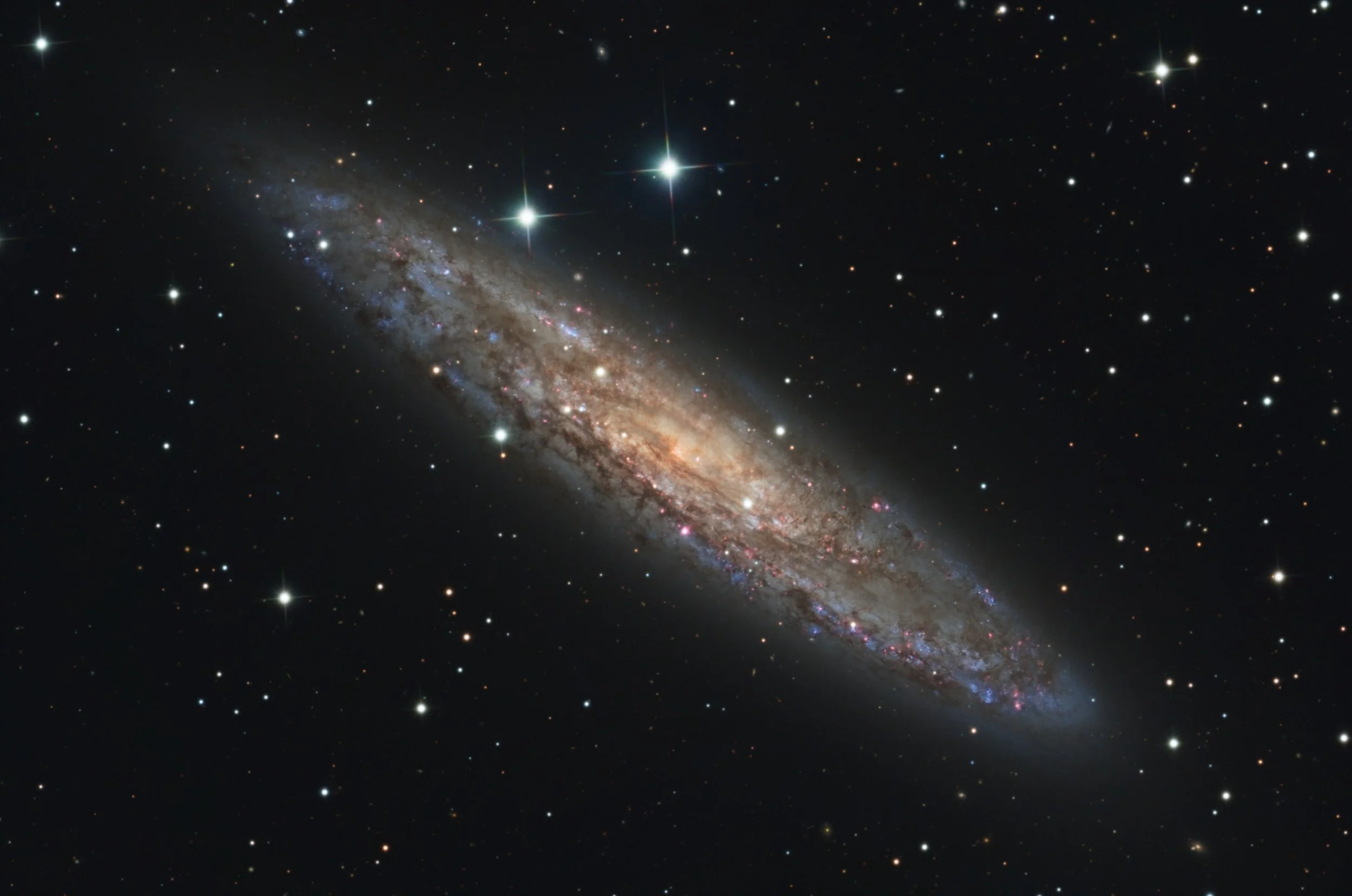
NGC 253 – processed by Cosmic Captures from Telescope.Live image data
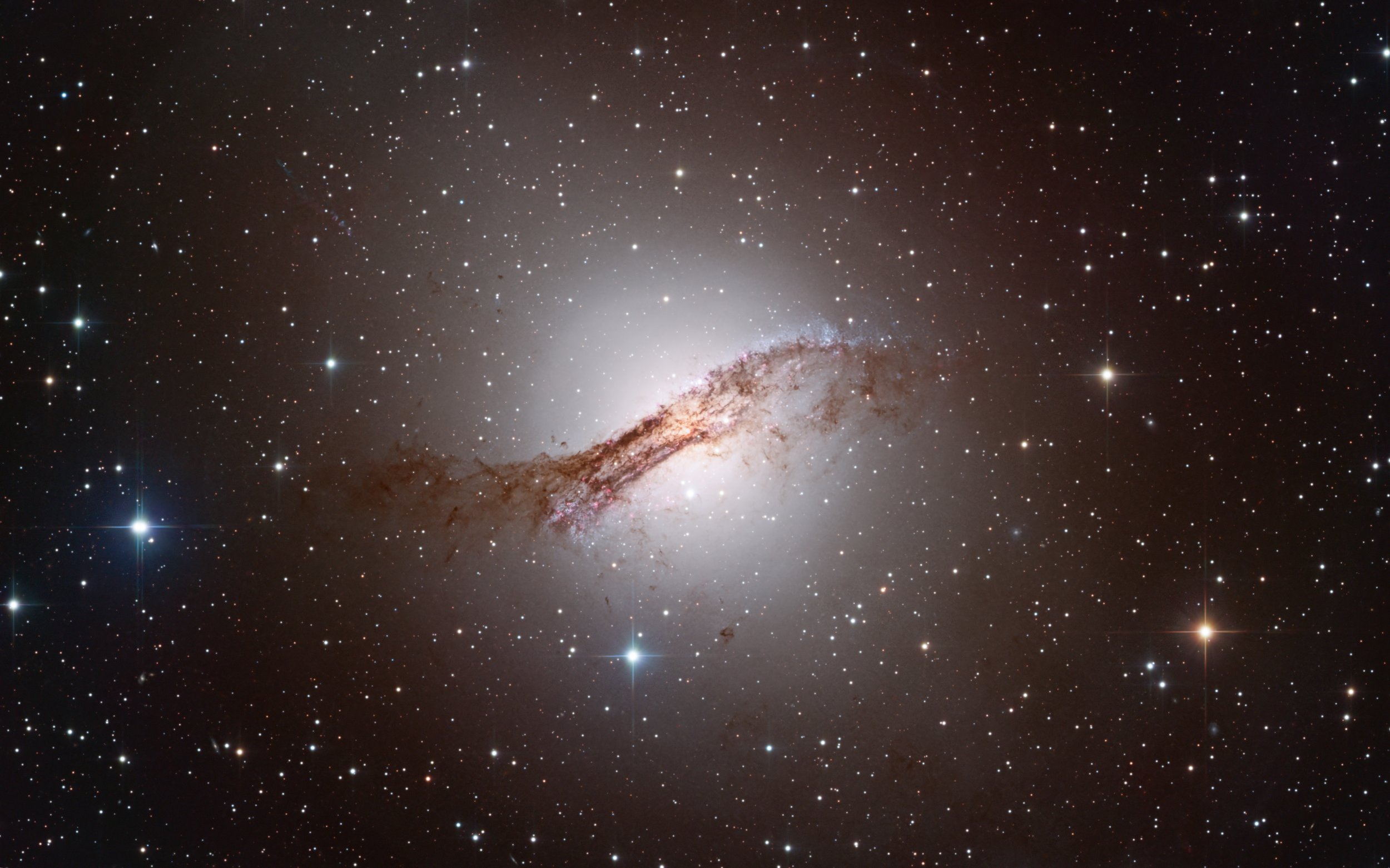
Centaurus A – NGC 5128 – processed by Cosmic Captures from Telescope.Live image data
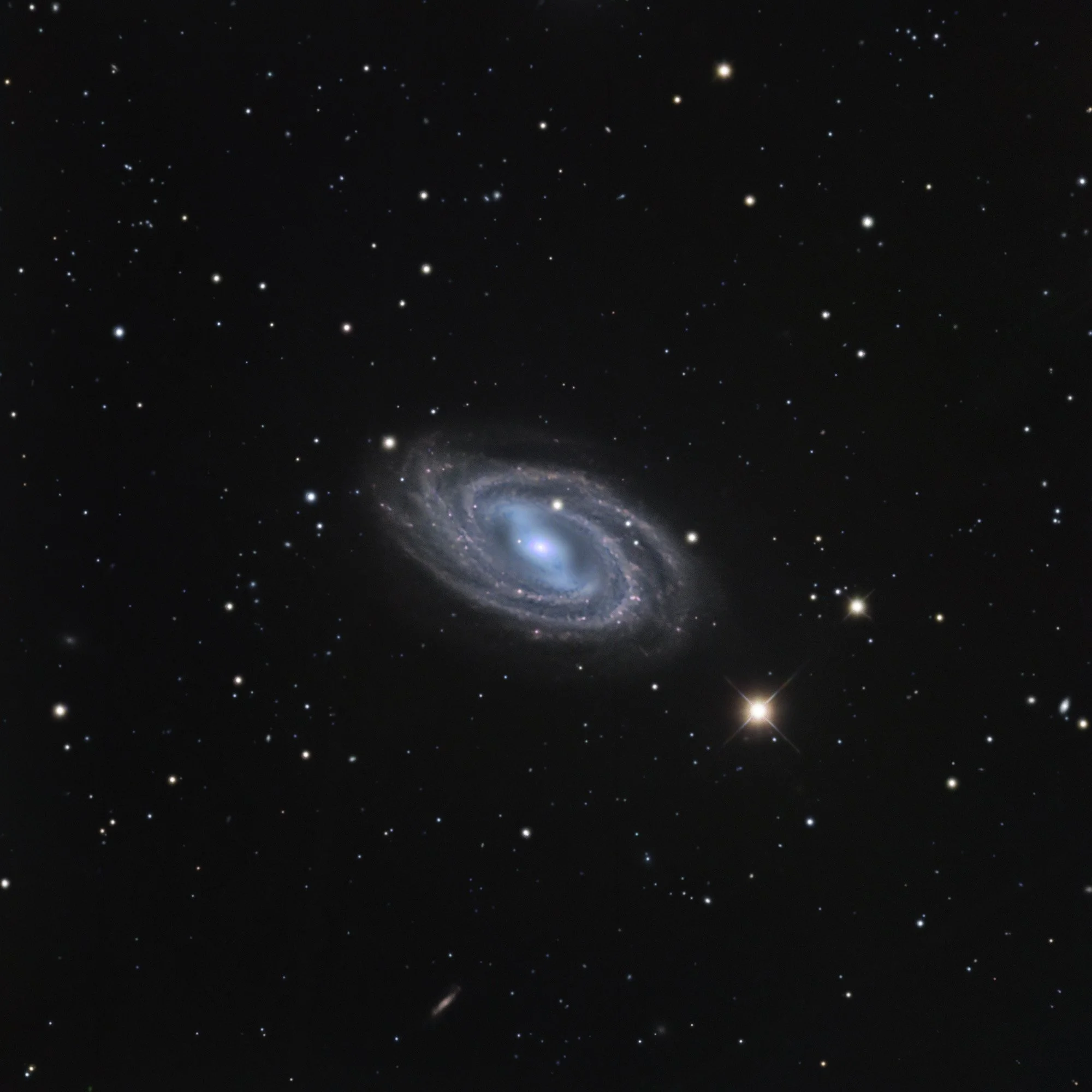
M109 – Vacuum Cleaner Galaxy – processed by Cosmic Captures from Telescope.Live image data

M83 – The Southern Pinwheel Galaxy – processed by Cosmic Captures from Telescope.Live image data
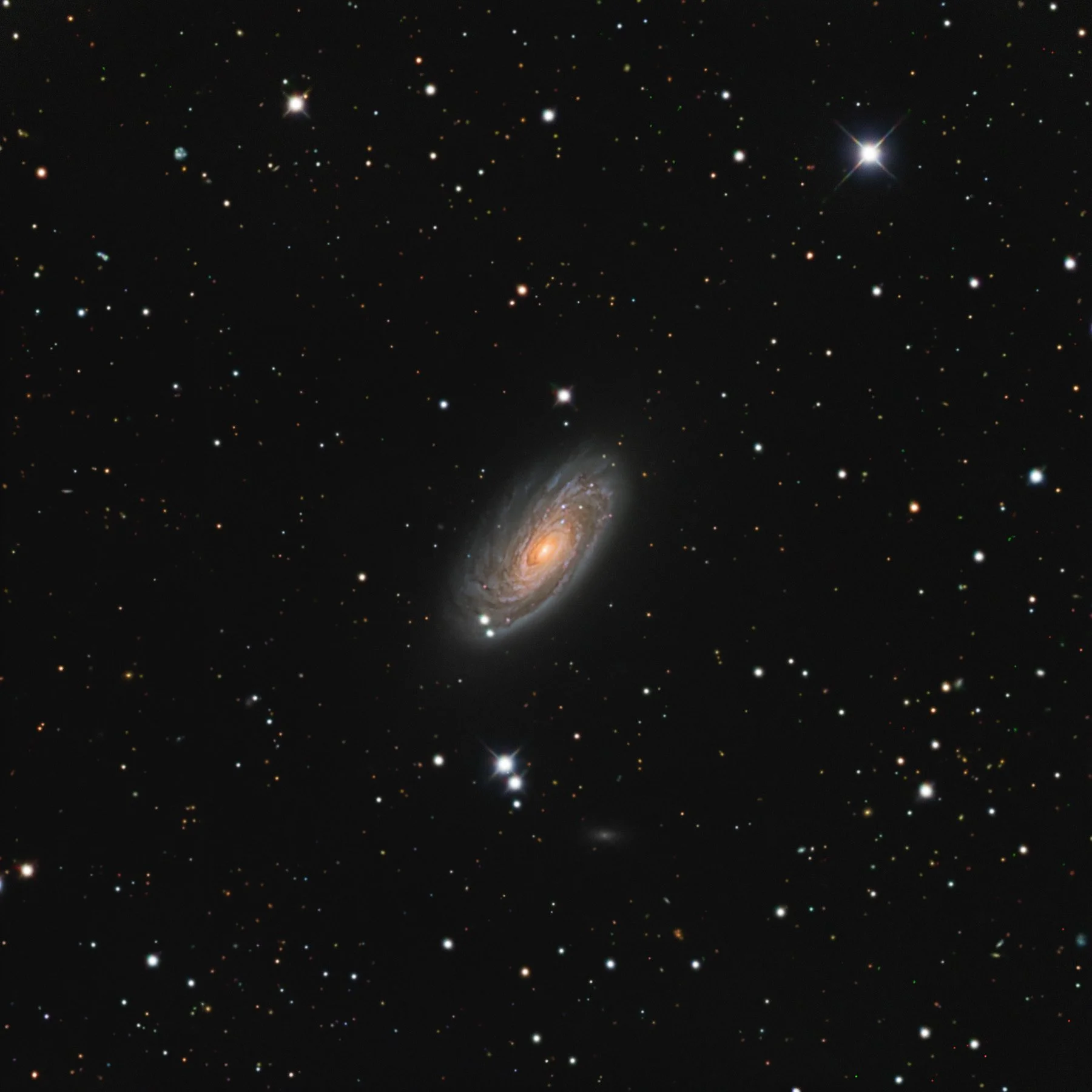
M88 – processed by Cosmic Captures from Telescope.Live image data
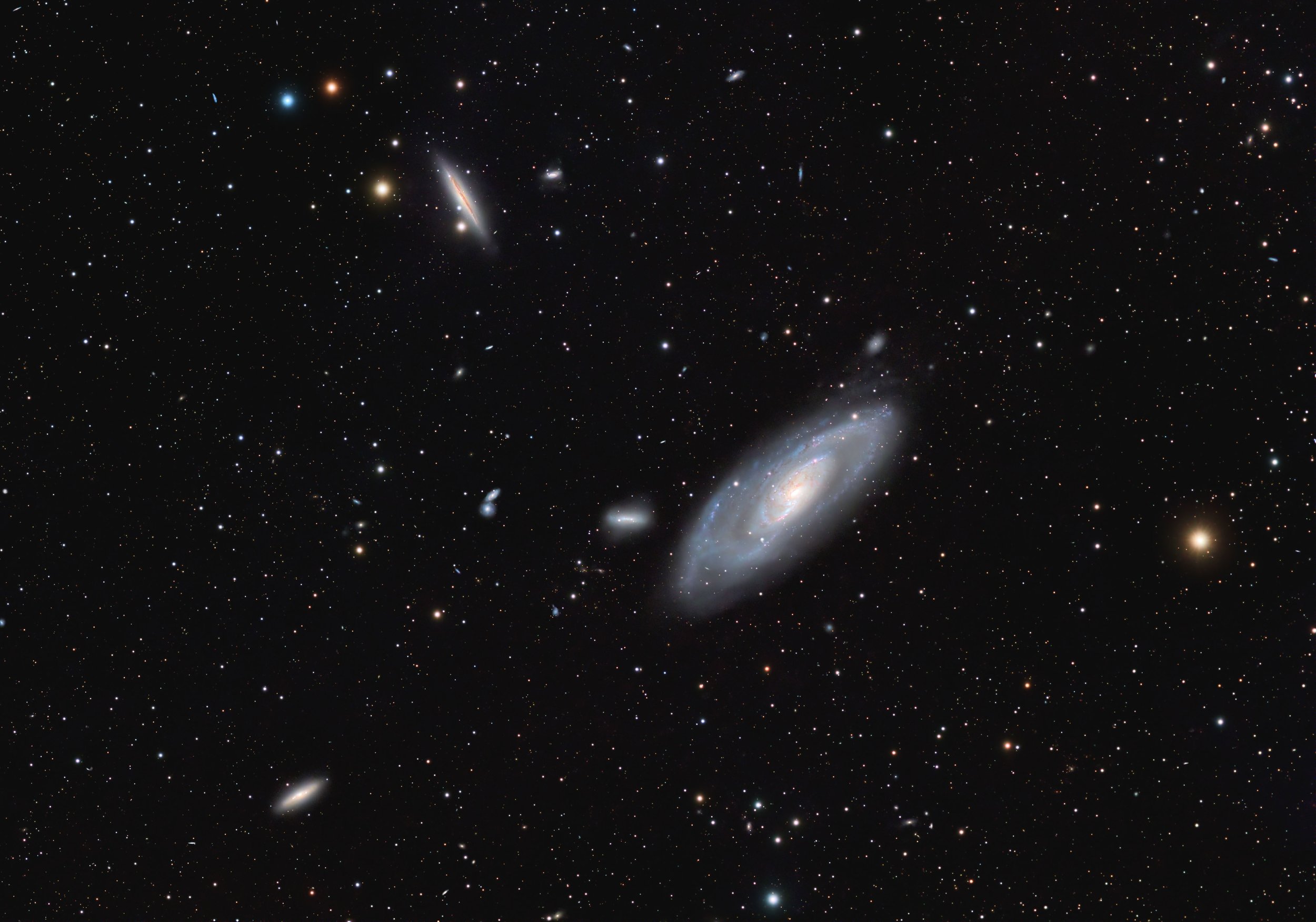
M106 – Widefield – captured with a Sky-Watcher Esprit 100 at f/4.12 with ASI2600MM Pro camera and LRGB filters. Image by Cosmic Captures
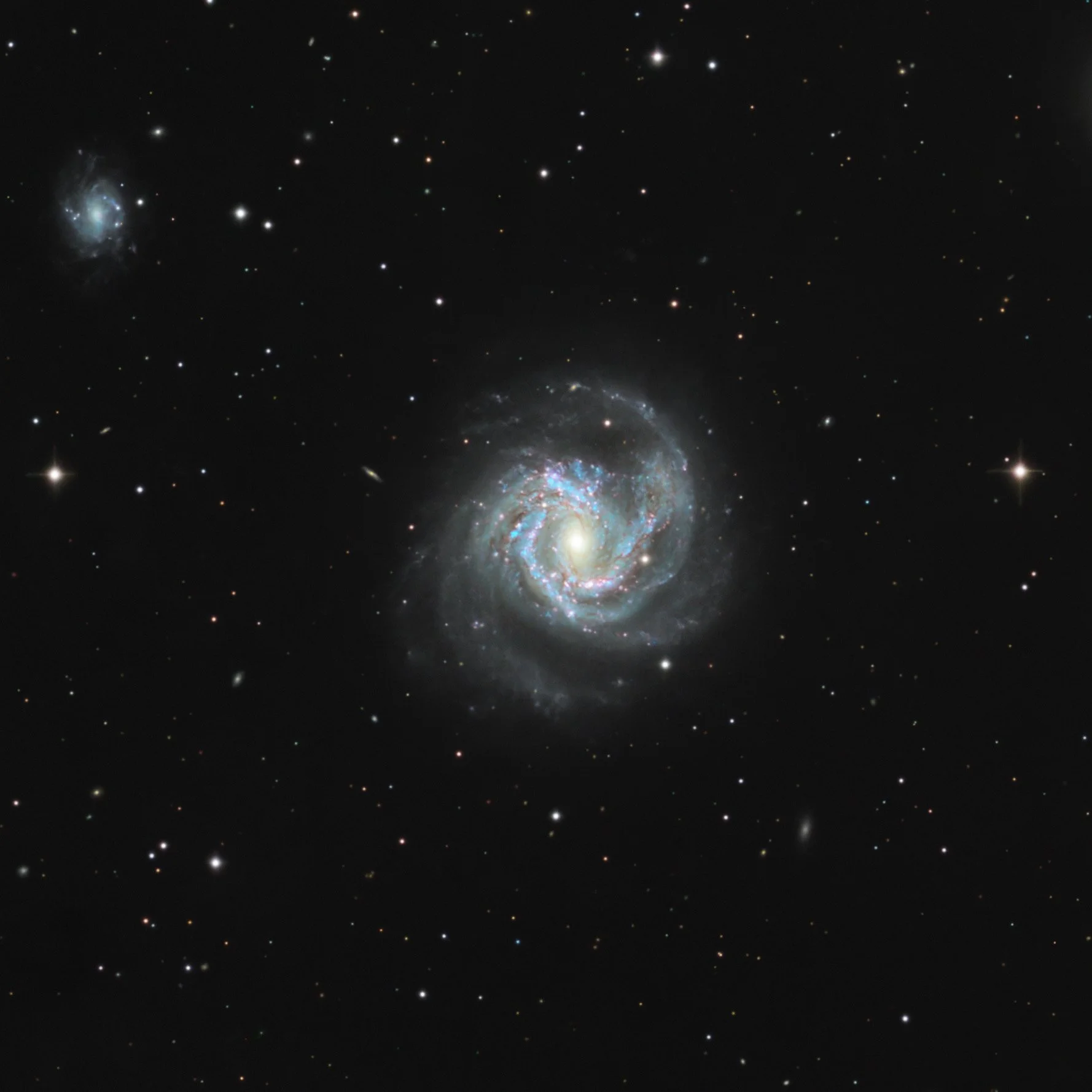
M61 – Swelling Spiral Galaxy, processed by Cosmic Captures from Telescope.Live image data
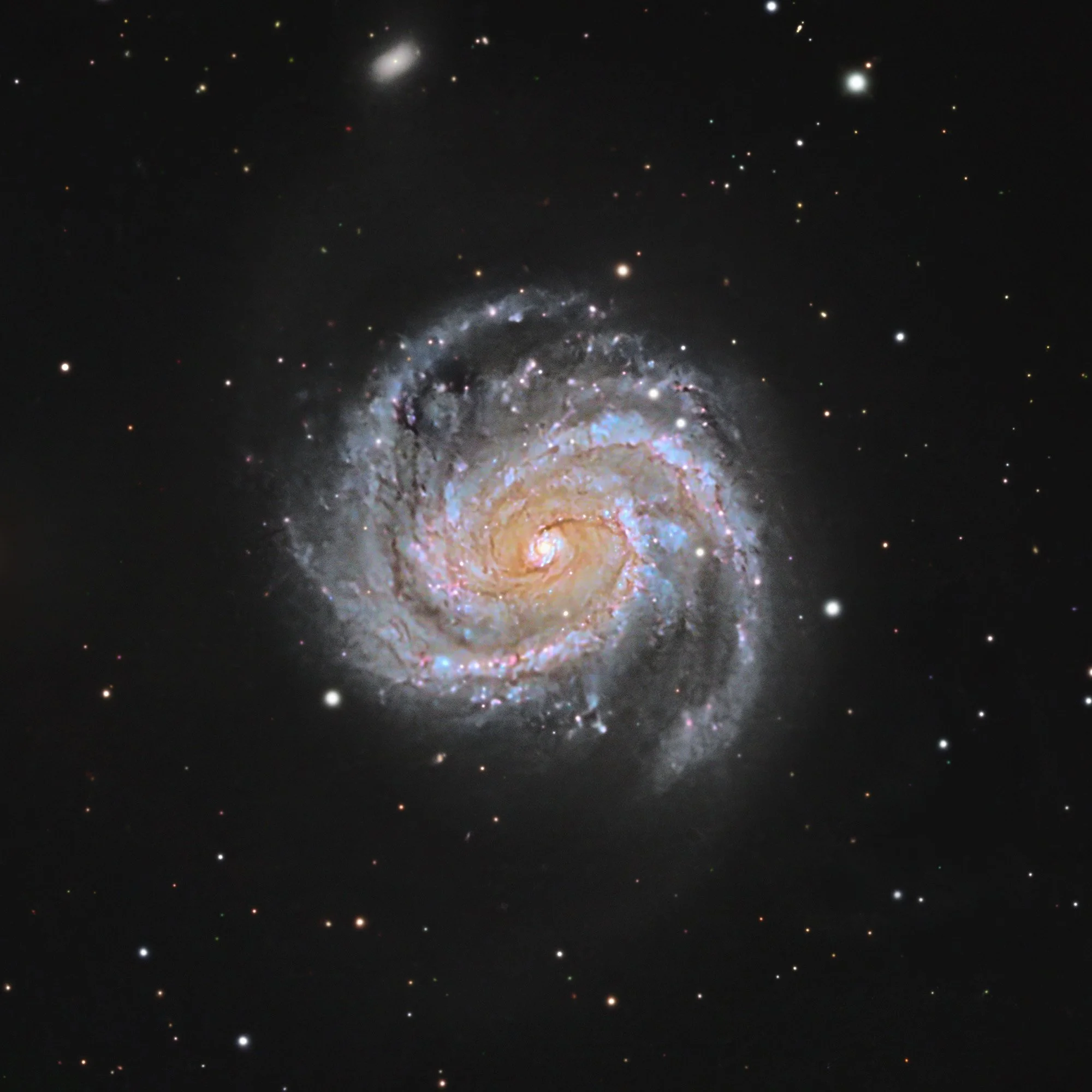
M100 – Mirror Galaxy – processed by Cosmic Captures from Telescope.Live image data
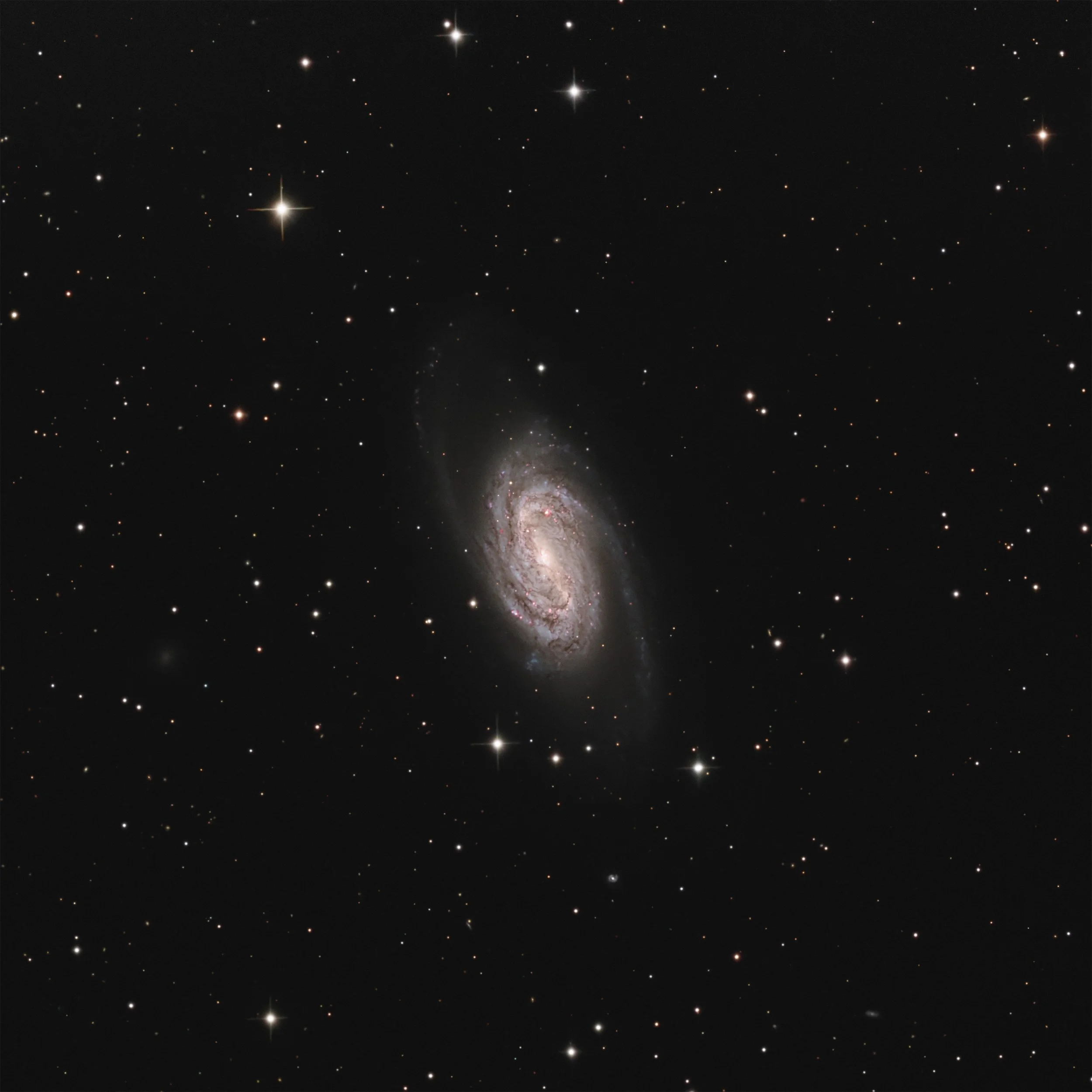
NGC 2903 – processed by Cosmic Captures from Telescope.Live image data
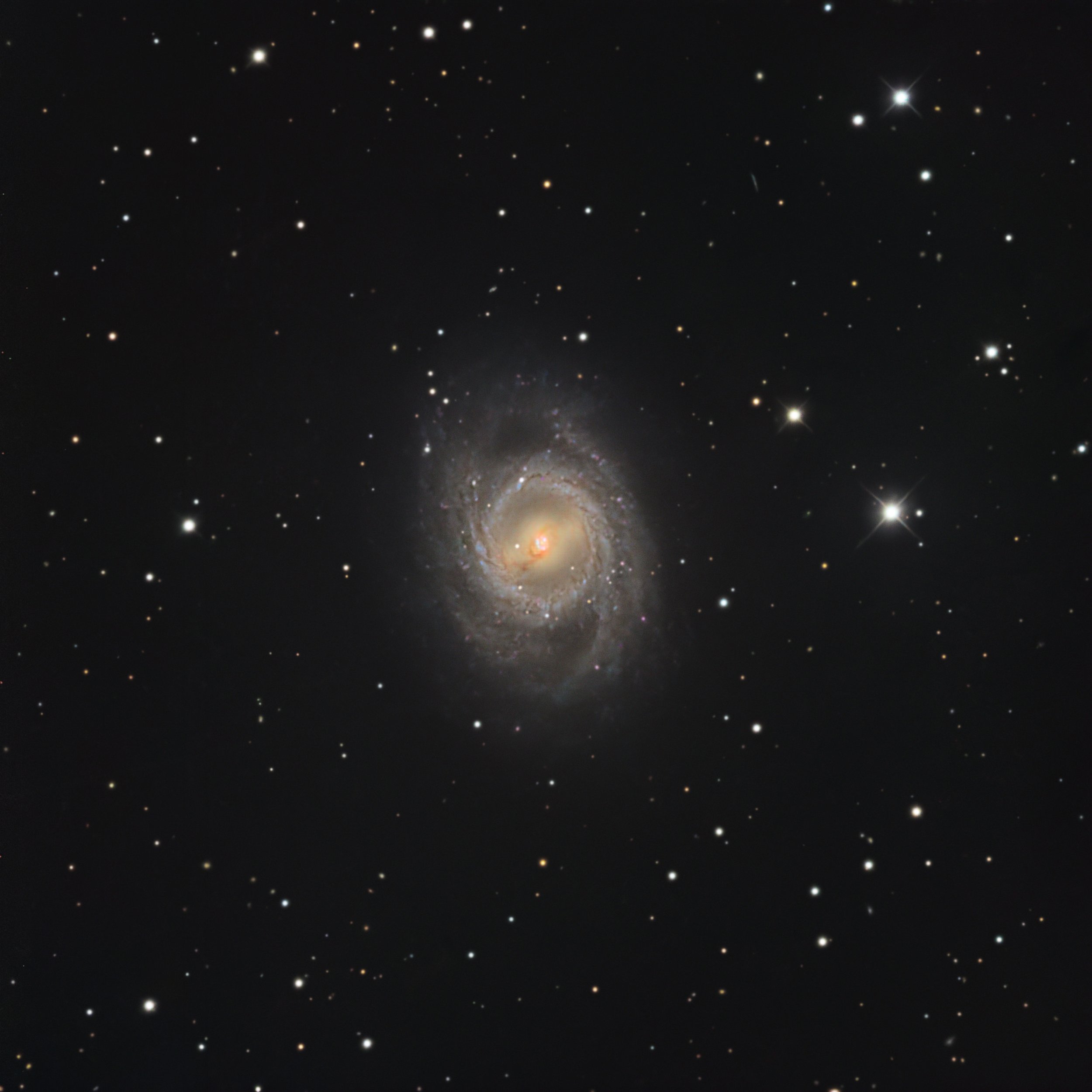
M95 – processed by Cosmic Captures from Telescope.Live image data
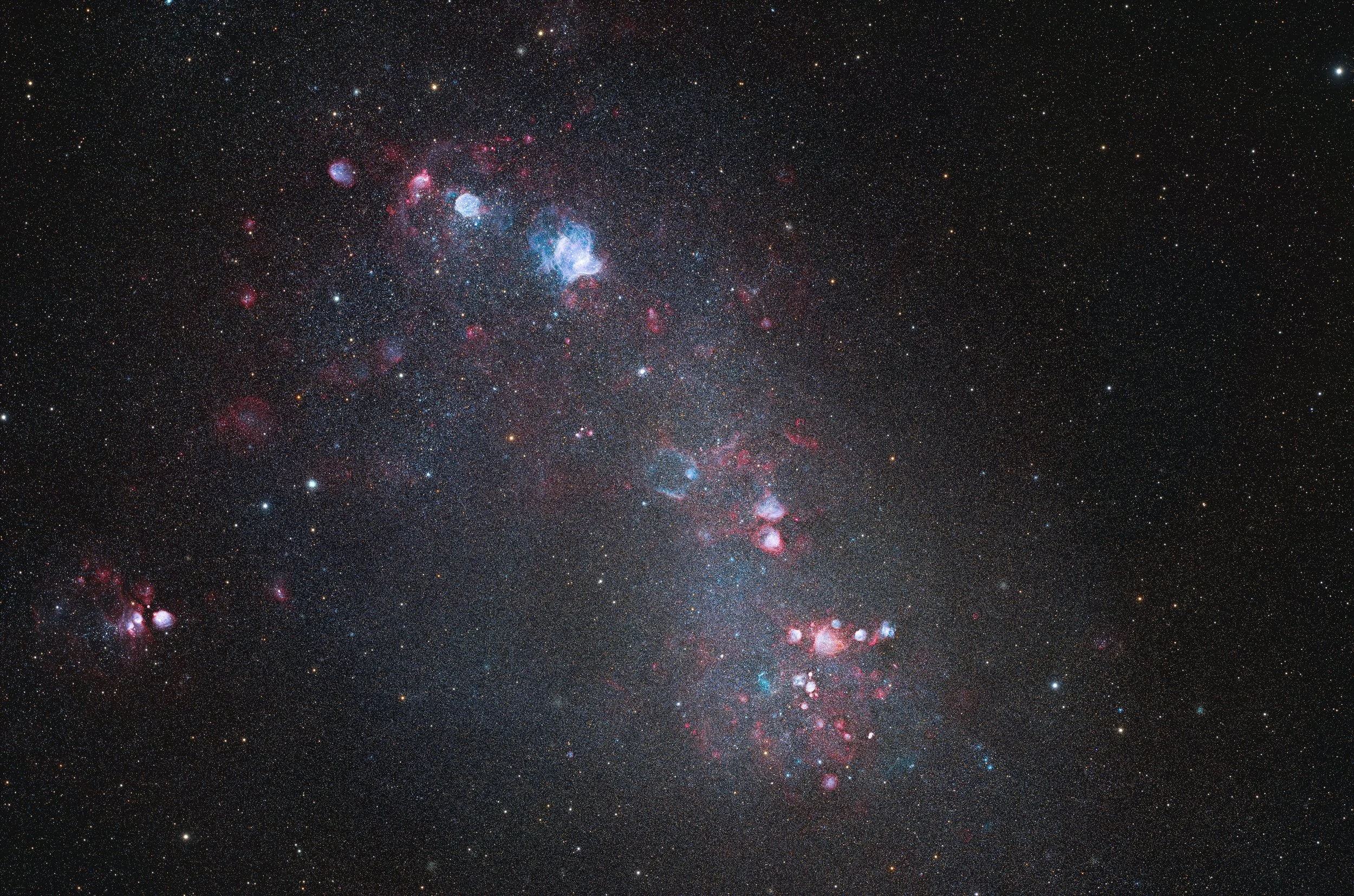
SMC Small Magellanic Cloud – processed by Cosmic Captures from the Telescope.Live image data
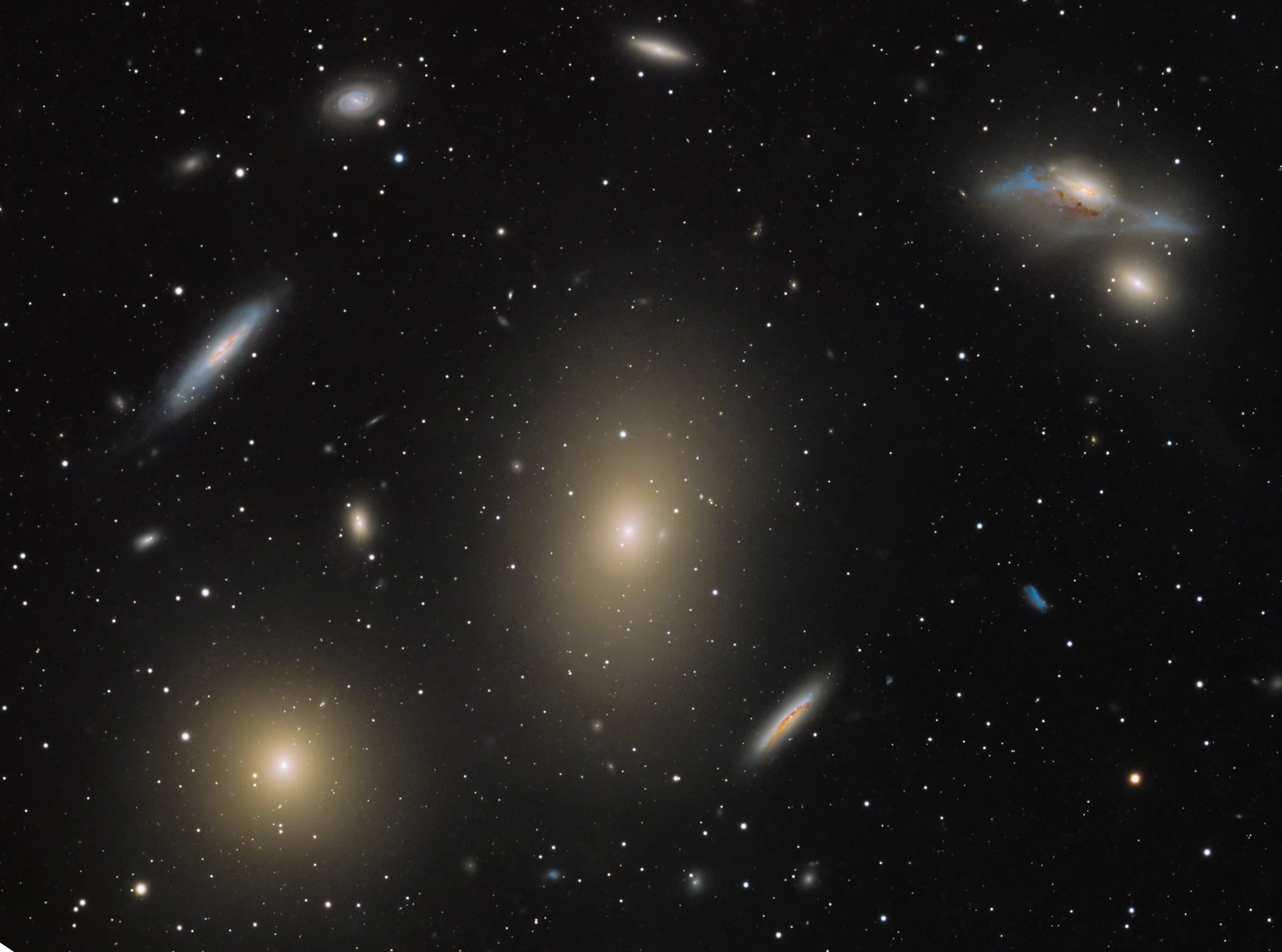
M86 (centre) is shown together with the nearby galaxy M84 and the surrounding Virgo Cluster galaxies. Captured with a Sky-Watcher Esprit 100 at f/4.12 and an ASI2600MM Pro camera using LRGB filters
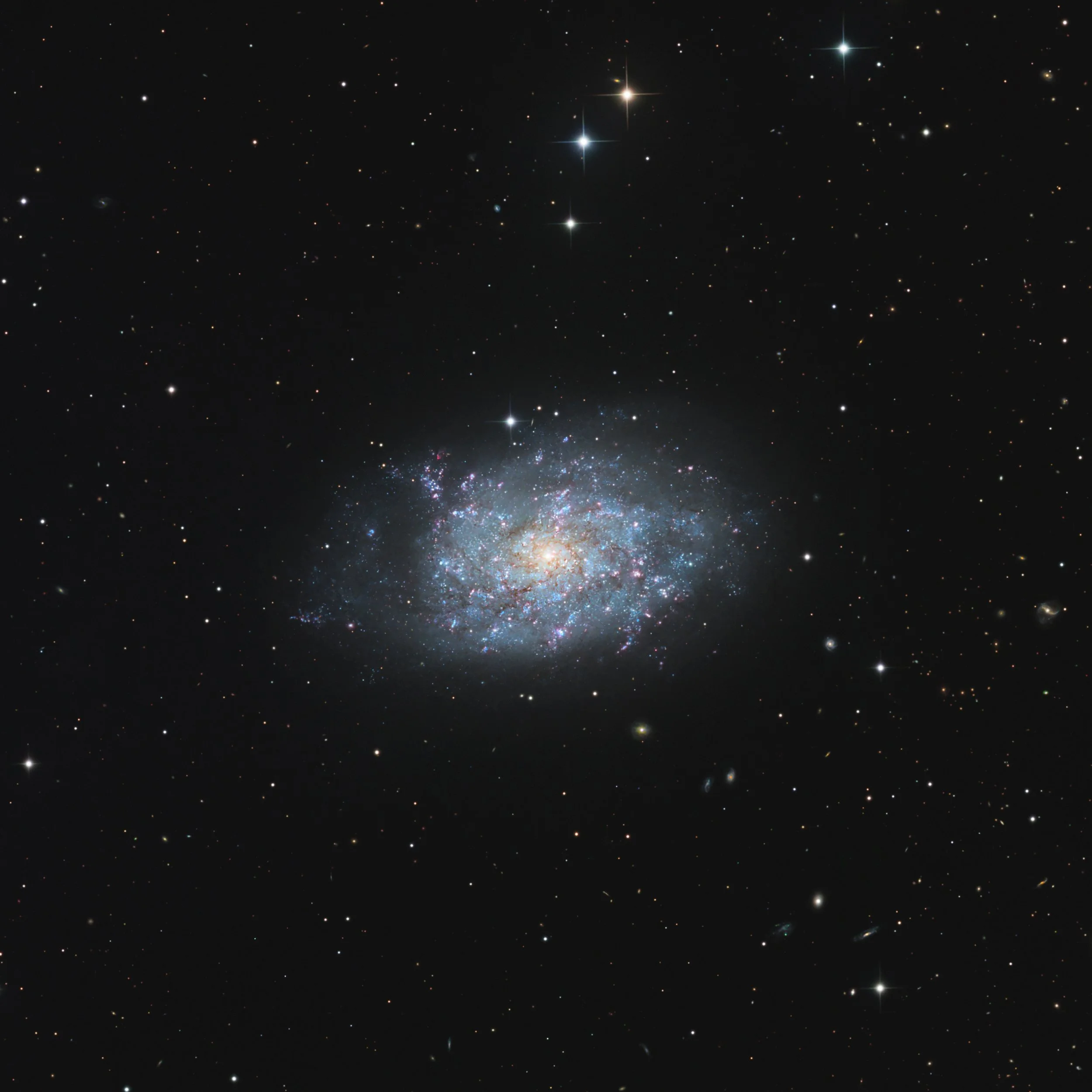
NGC 7793 – A Flocculent Spiral in Sculptor – processed by Cosmic Captures from Telescope.Live image data

NGC 3521 – Bubble Galaxy – processed by Cosmic Captures from Telescope.Live image data
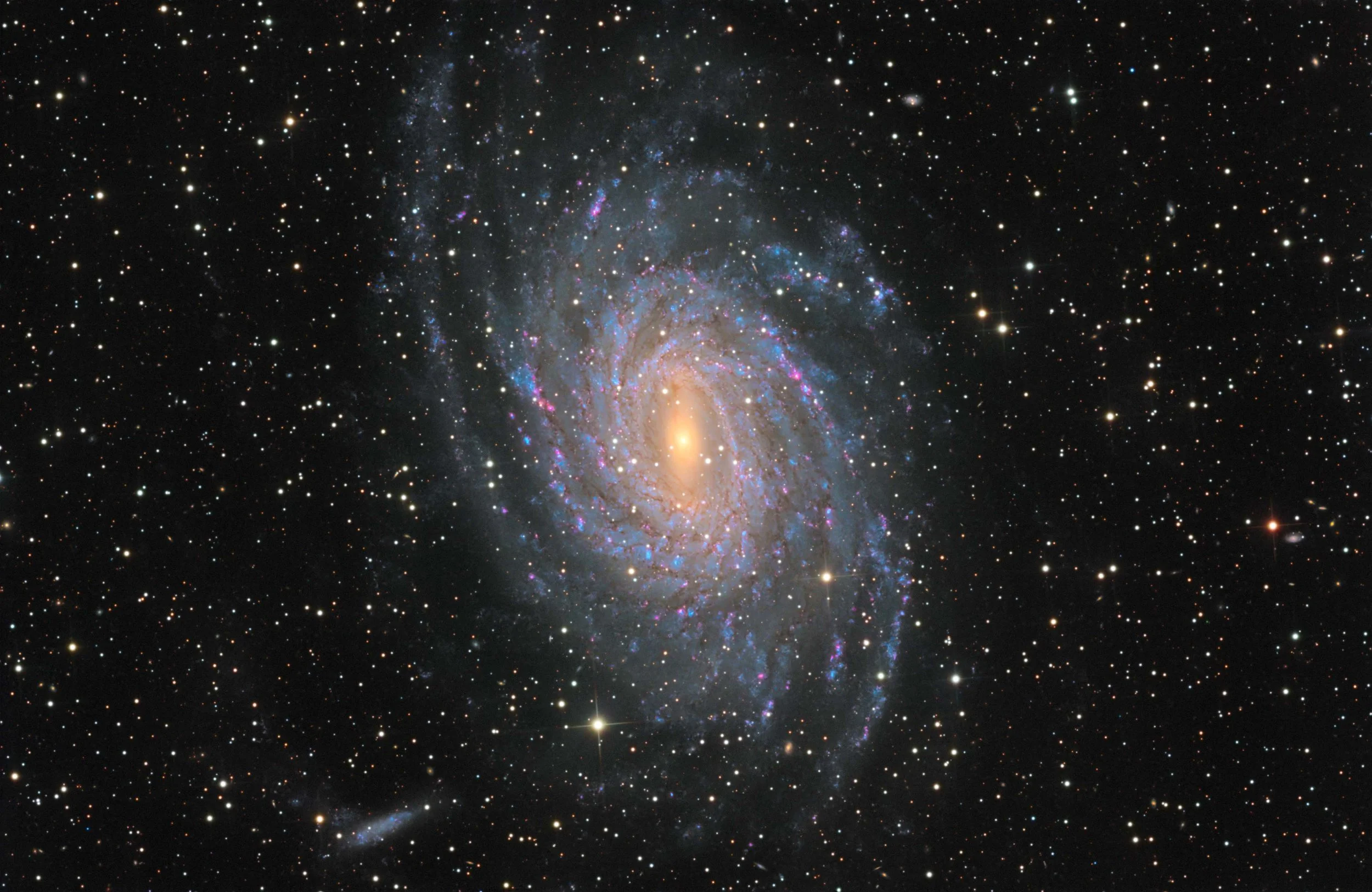
NGC 6744 – Spiral Galaxy in Pavo – processed by Cosmic Captures from Telescope.Live image data

NGC 6946 – The Fireworks Galaxy – processed by Cosmic Captures from Telescope.Live image data. Its warmer tone is caused by galactic extinction or reddening, as foreground dust shifts the colour balance toward red.
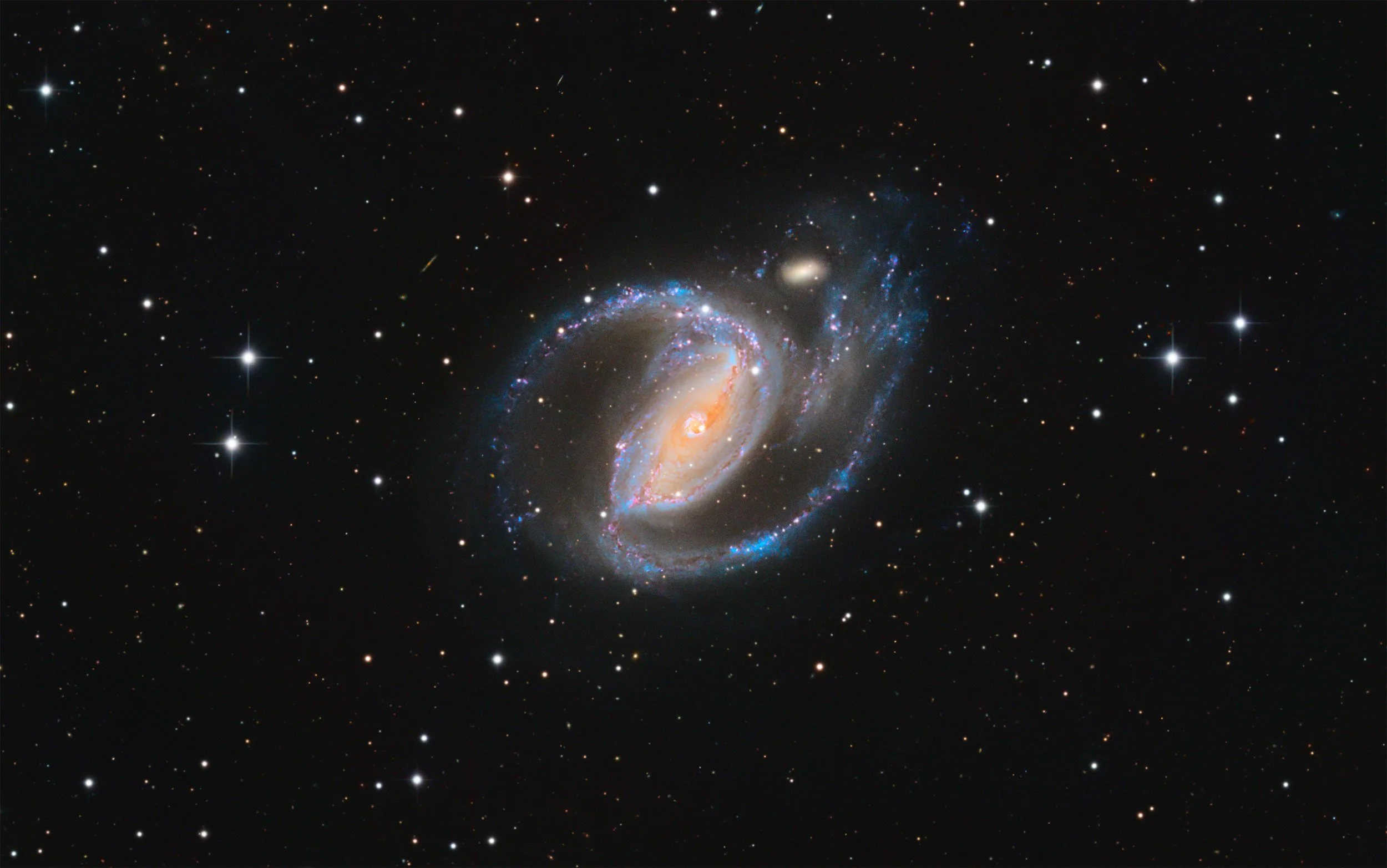
NGC 1097 – Barred Spiral Galaxy in Fornax – processed by Cosmic Captures from Telescope.Live image data

M64 – Black Eye Galaxy – processed by Cosmic Captures from Telescope.Live image data
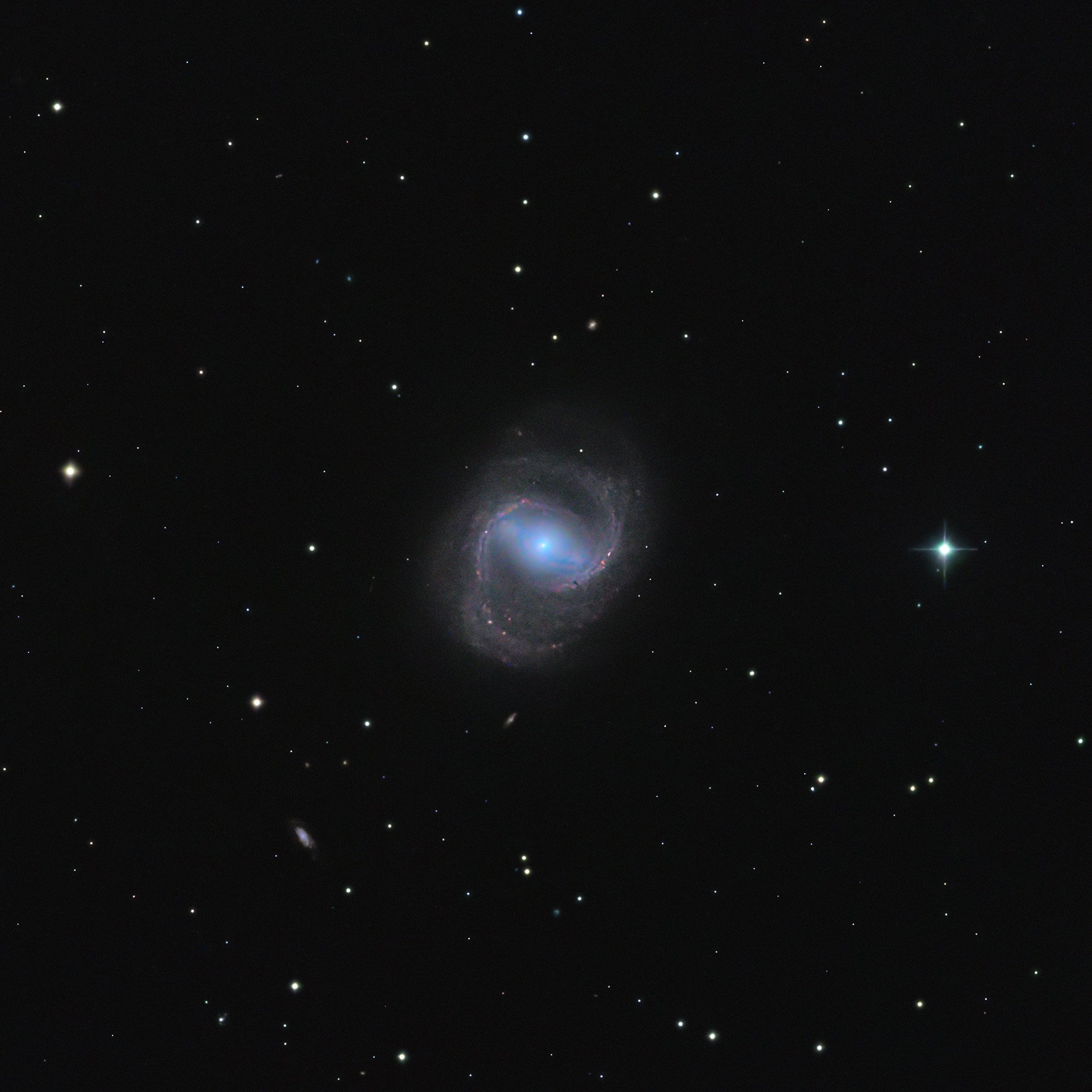
M91 – processed by Cosmic Captures from Telescope.Live image data

M31 – Andromeda Galaxy – processed by Cosmic Captures from Telescope.Live image data

M98 – processed by Cosmic Captures from Telescope.Live image data
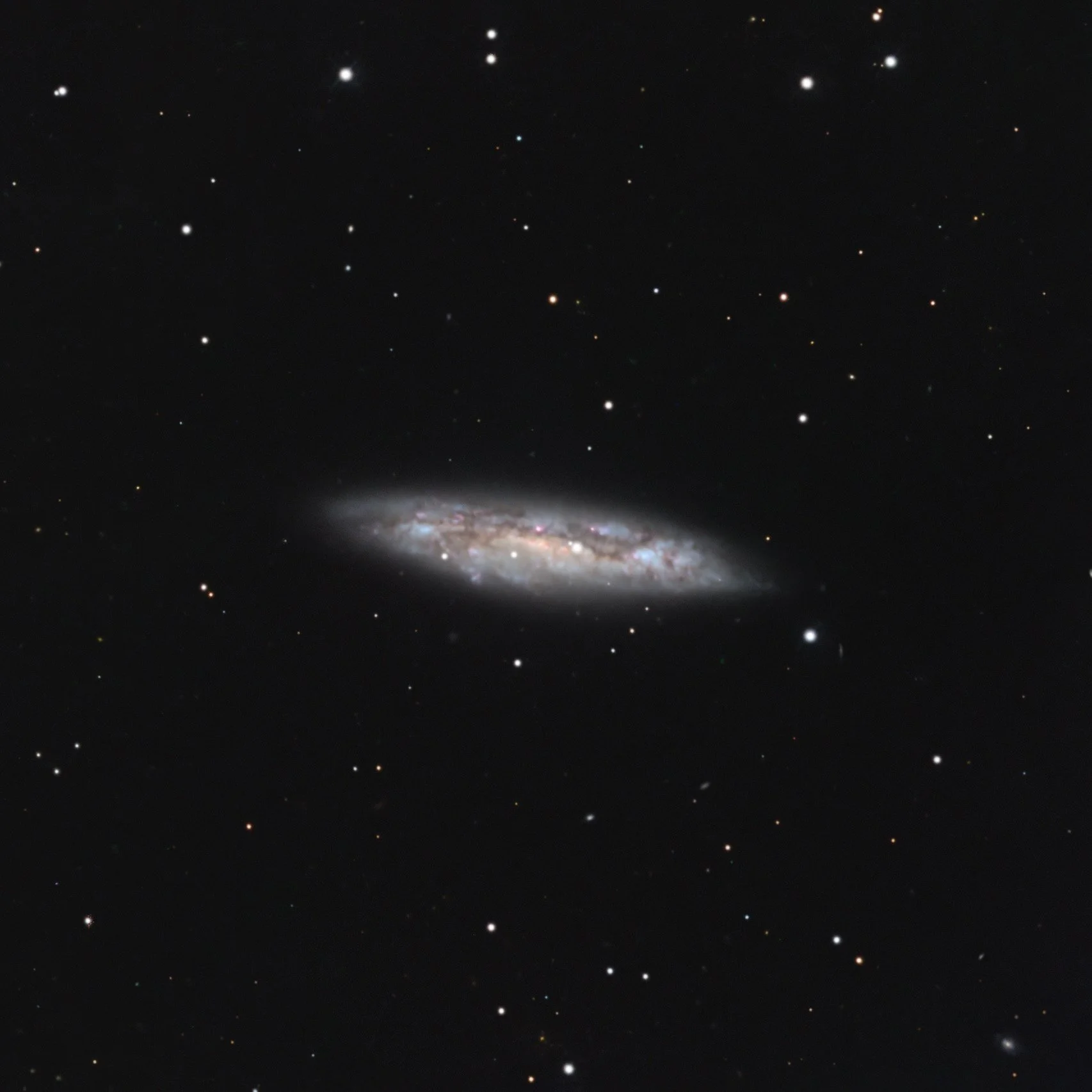
M108 – Surfboard Galaxy – processed by Cosmic Captures from Telescope.Live image data
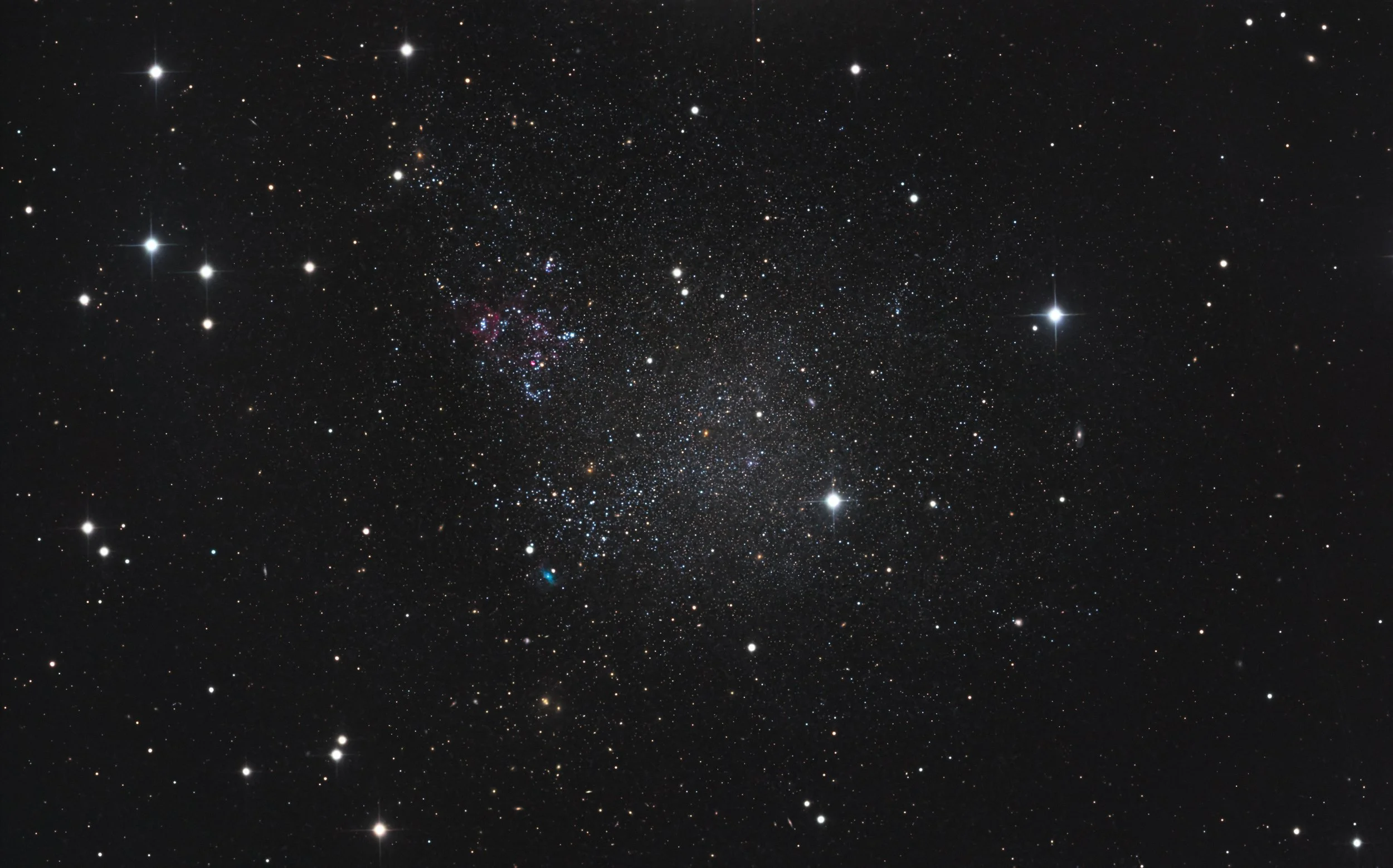
IC 1613 – Irregular Dwarf Galaxy – processed by Cosmic Captures from Telescope.Live image data
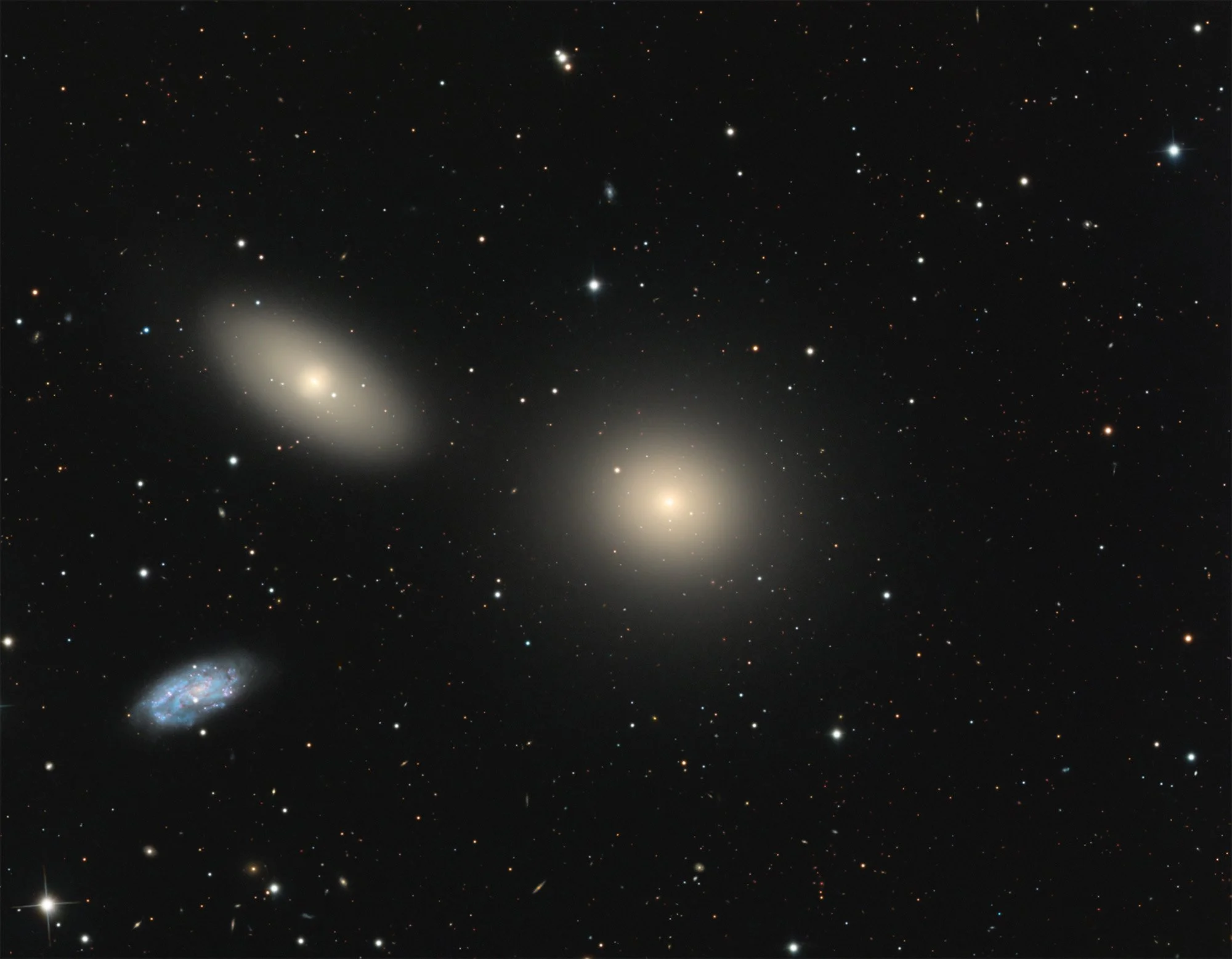
M105 (to the right) is shown together with the nearby galaxies NGC 3384 and NGC 3389, processed by Cosmic Captures from Telescope.Live image data
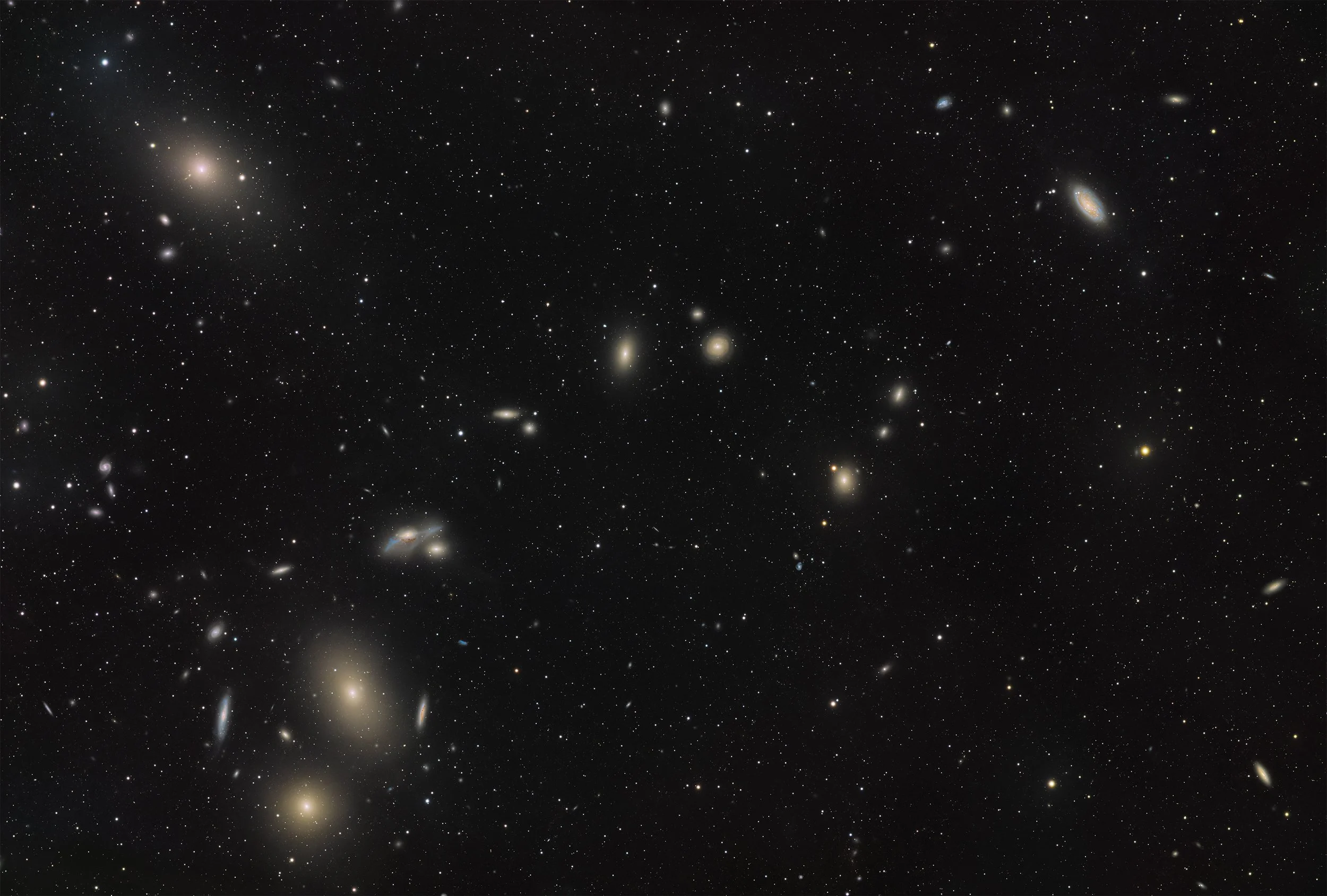
Markarian's Chain in Virgo – captured with a Sky-Watcher Esprit 100 at f/4.12 with ASI2600MM Pro camera and LRGB filters. Image by Cosmic Captures
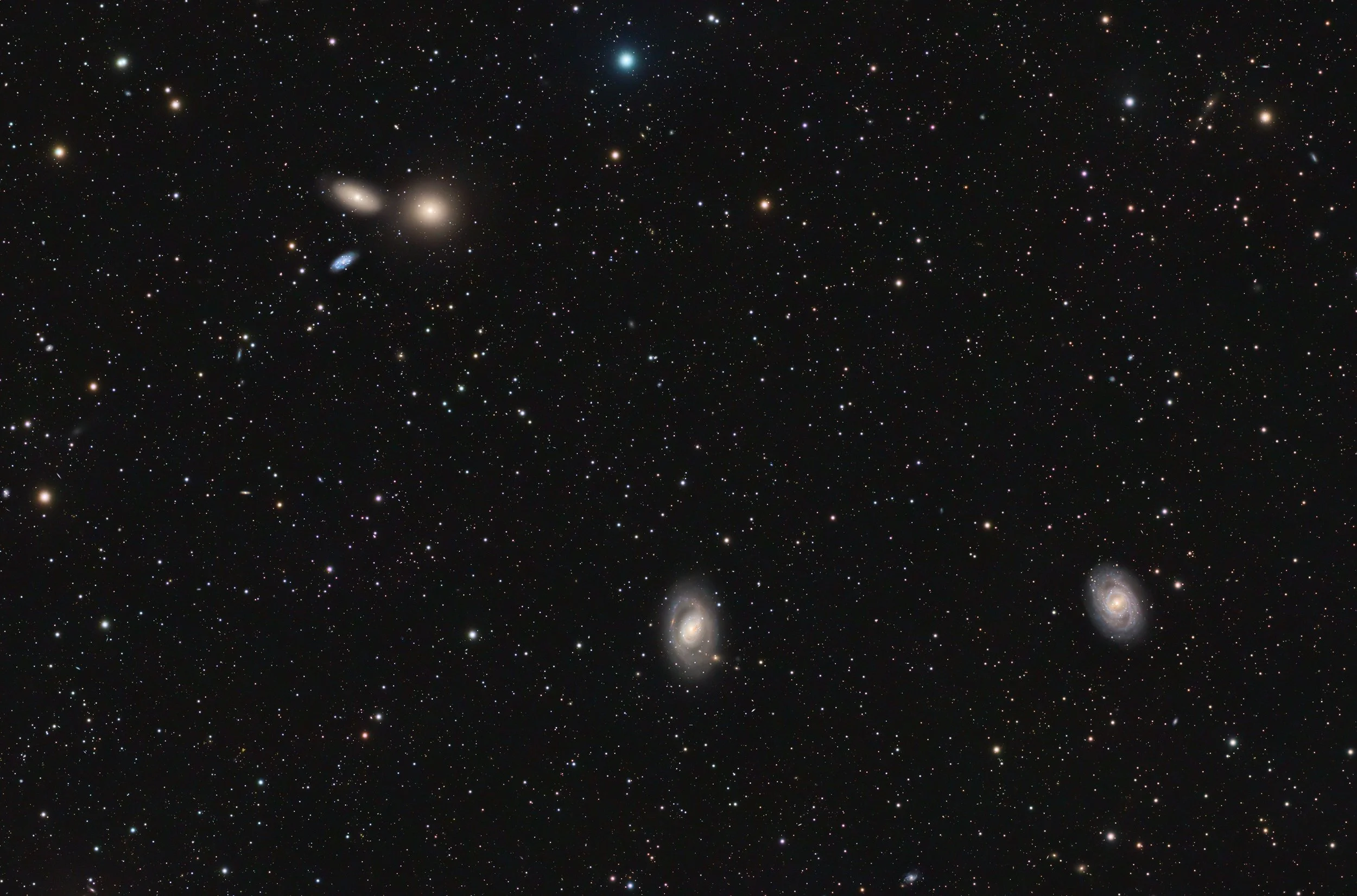
Wide field image with galaxies NGC 3384, M105, NGC 3389, M96 and M95 in Leo – captured with a Sky-Watcher Esprit 100 at f/4.12 with ASI2600MM Pro camera and LRGB filters. Image by Cosmic Captures