
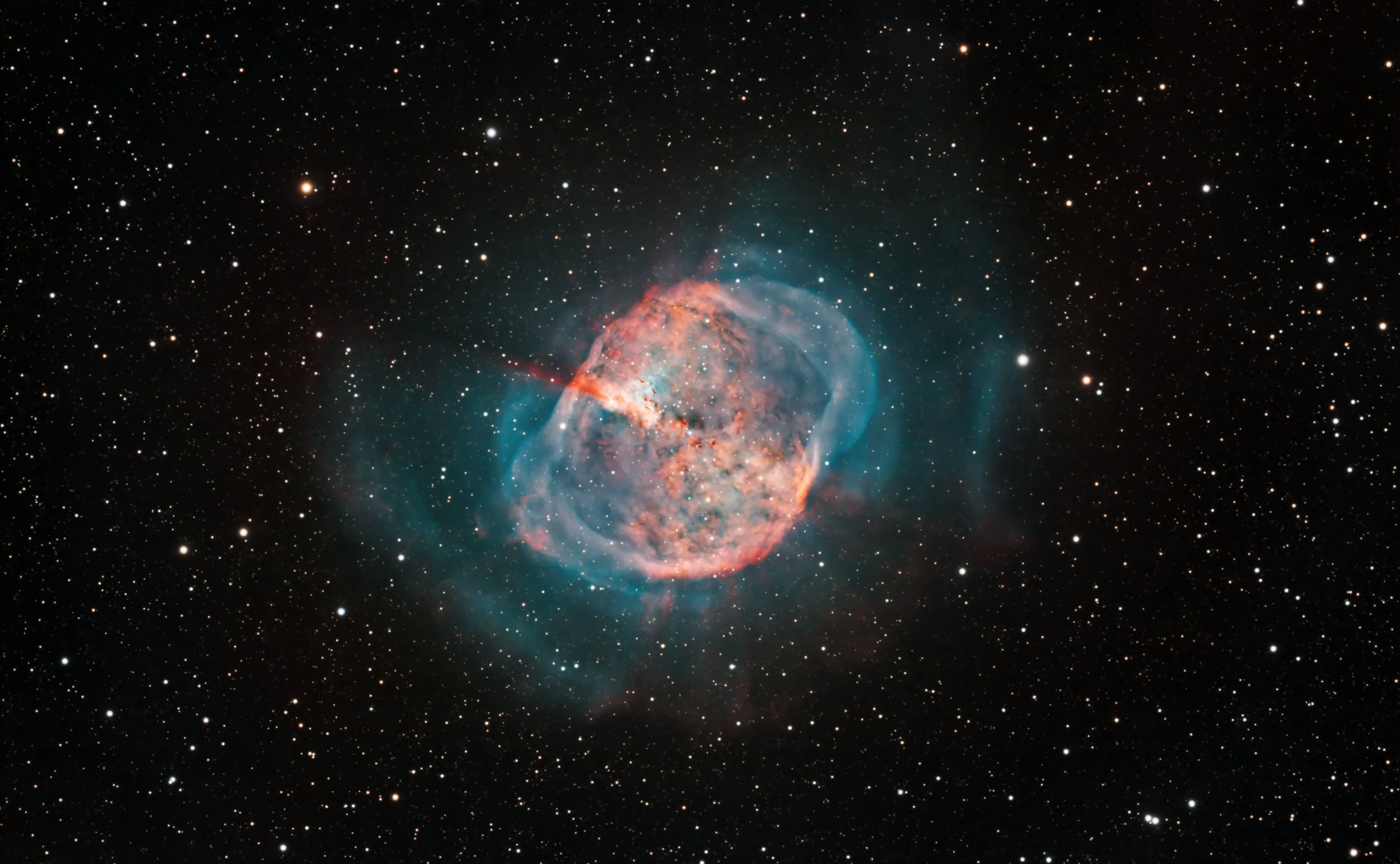

Planetary Nebulae — The Final Stages of Sun-like Stars
Planetary nebulae are expanding shells of gas ejected by dying stars similar to our Sun. Despite the name, they have nothing to do with planets — early observers gave them this name because their small round shapes resembled planetary disks in early telescopes. Many planetary nebulae show delicate shells, rings, and fine internal structures created as the star sheds its outer layers into space.
Most planetary nebulae appear very small in the sky and are best imaged with longer focal lengths and good tracking. High resolution and steady conditions help reveal their fine structure, and longer integration times improve the visibility of faint outer shells.
Planetary nebulae emit strongly in specific wavelengths, especially oxygen (OIII) and hydrogen (H-alpha), so narrowband filters often work very well and can improve contrast even under light-polluted skies. Broadband imaging can produce natural star colors, but narrowband data often reveals the most structural detail.
Because of their compact size and high surface brightness, many planetary nebulae can be imaged successfully even from urban locations, though dark skies help reveal the faintest outer halos.
These images show real objects captured from Earth with modern astrophotography equipment. Many of them represent hours — sometimes dozens of hours — of collected light, carefully processed to reveal details that would otherwise remain invisible.
No simulations and no AI-generated imagery, only real photons gathered under the night sky.
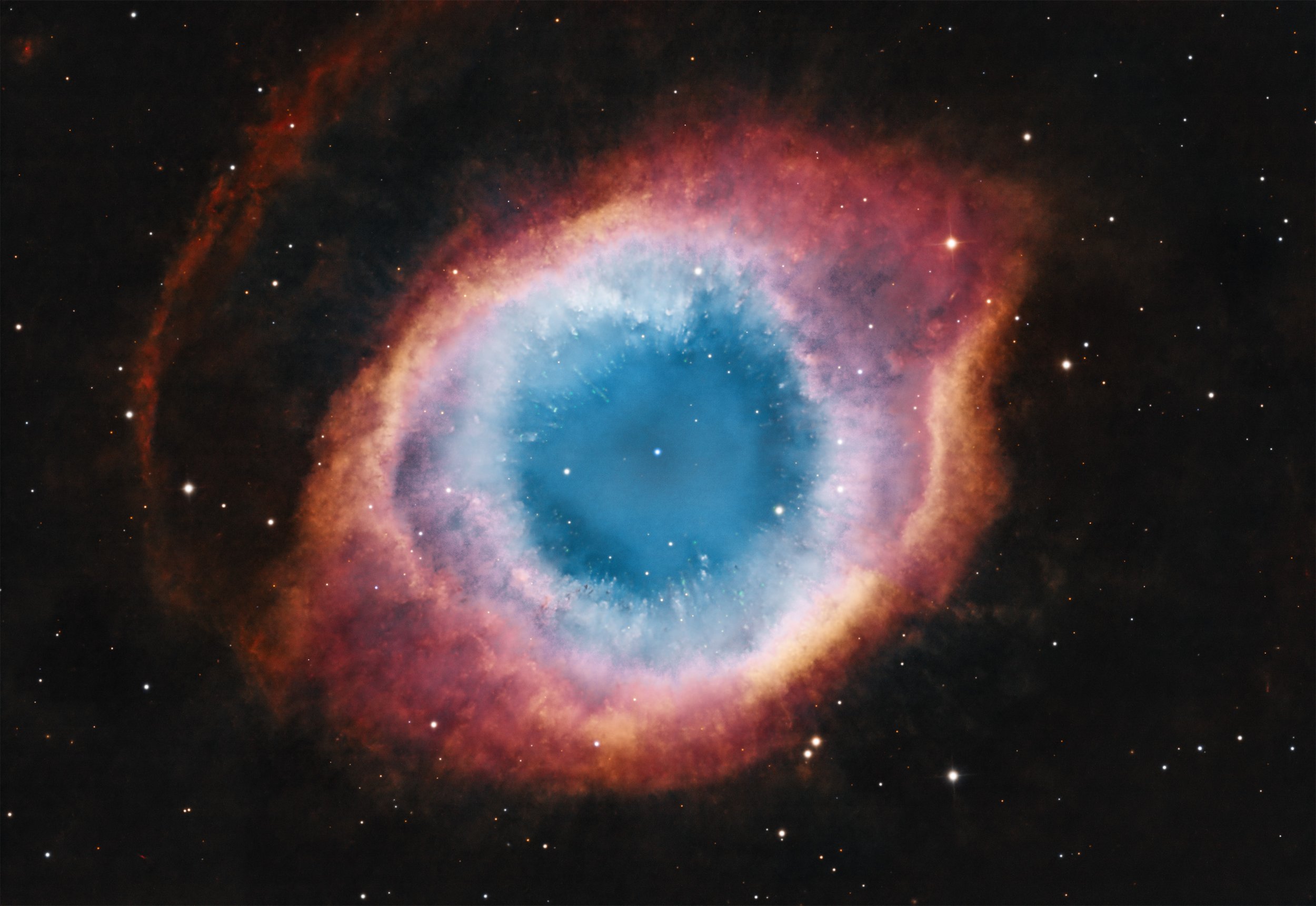
NGC 7293 – Helix Nebula – processed by Cosmic Captures from Telescope.Live image data
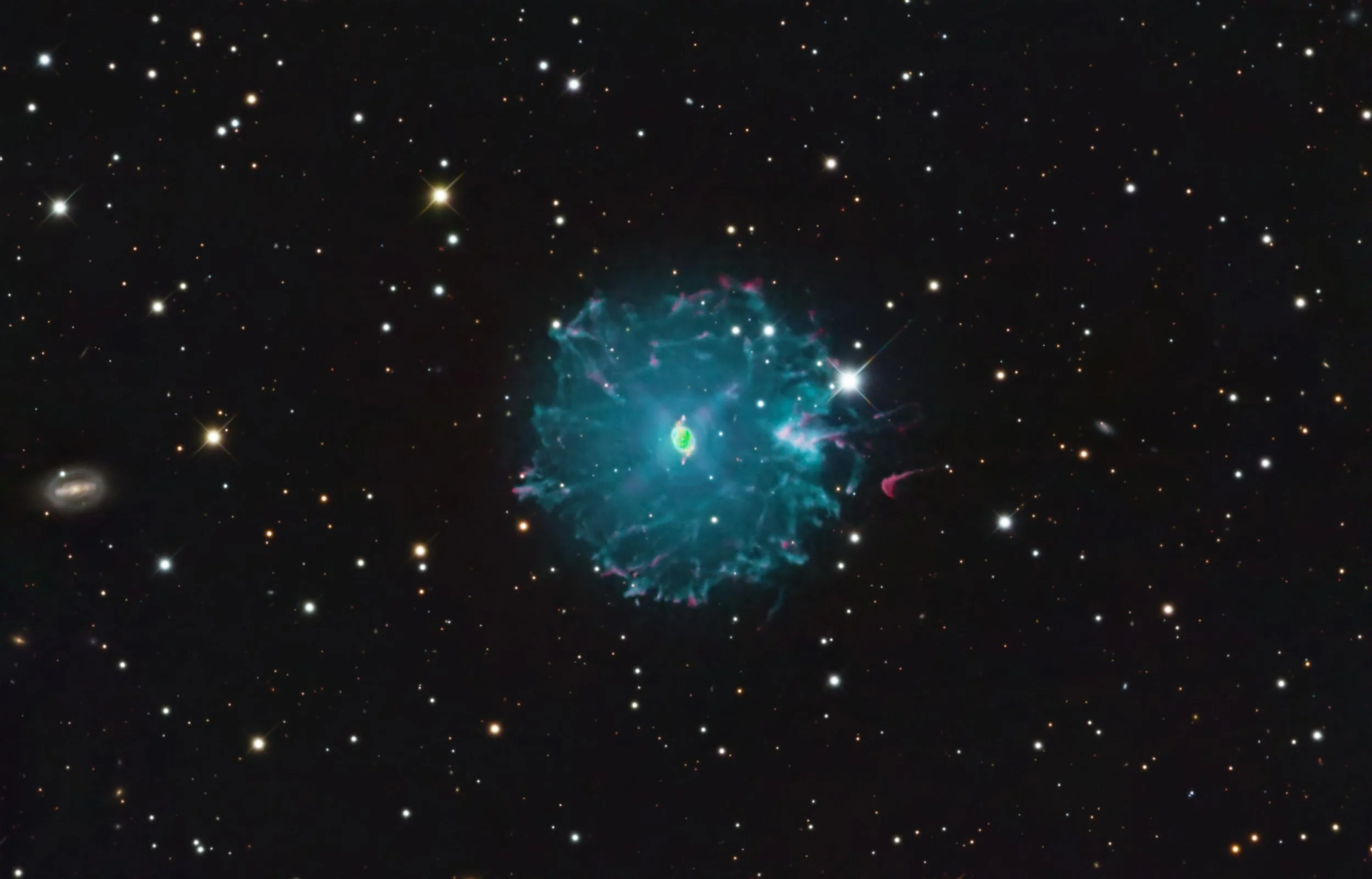
NGC 6543 – Cat's Eye Nebula – processed by Cosmic Captures from Telescope.Live image data

Abell 31 – captured with a Sky-Watcher Esprit 100 at f/4.12 with ASI2600MM Pro camera and RGBHO filters. Image by Cosmic Captures

M57 – Ring Nebula – processed by Cosmic Captures from Telescope.Live image data
M27 – Dumbbell Nebula – RGB data captured with a Celestron Edge HD at f7 with ASI2600MM Pro camera and RGB filters blended with Telescope.Live narrowband image data. Image by Cosmic Captures
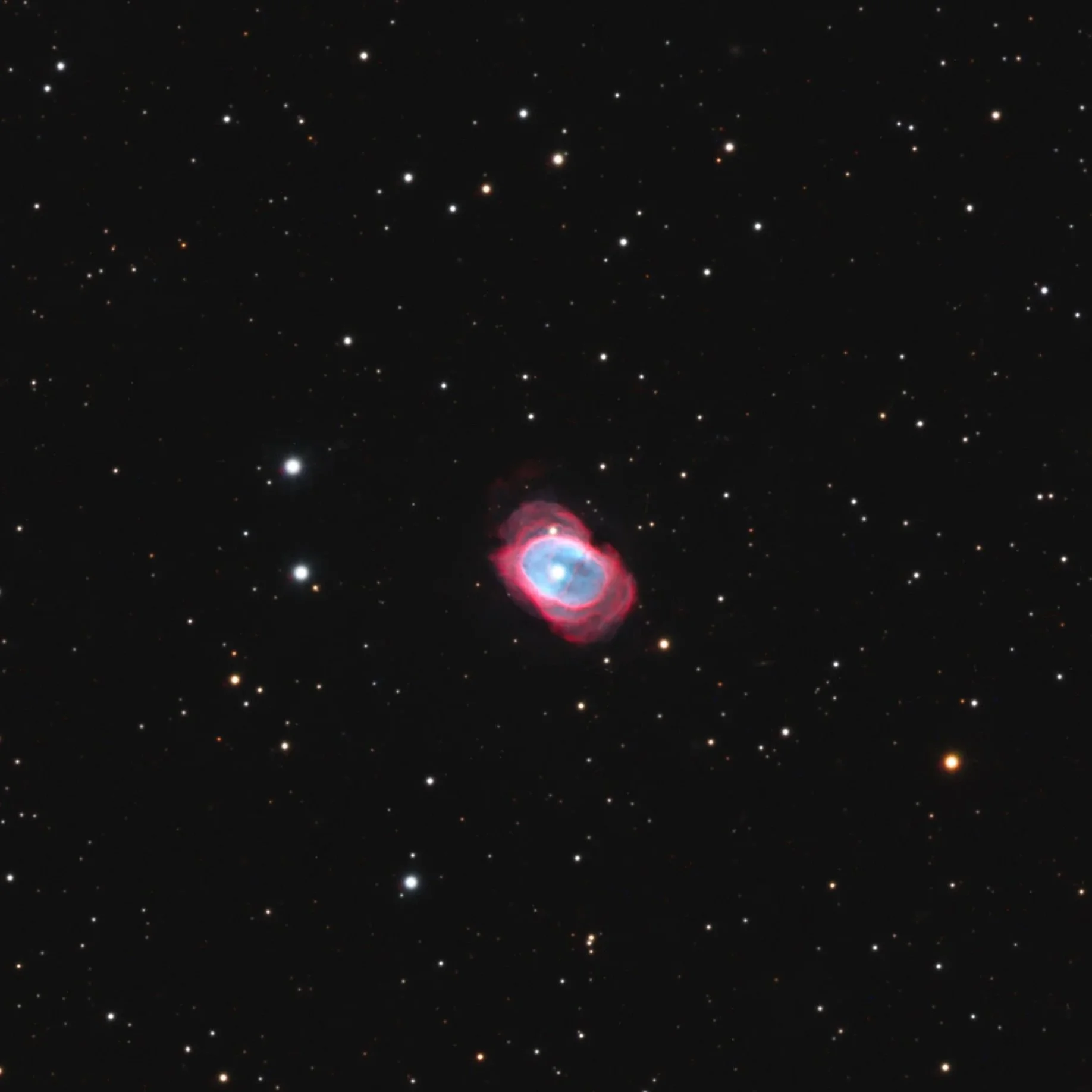
NGC3132 – Eskimo Nebula – processed by Cosmic Captures from Telescope.Live image data
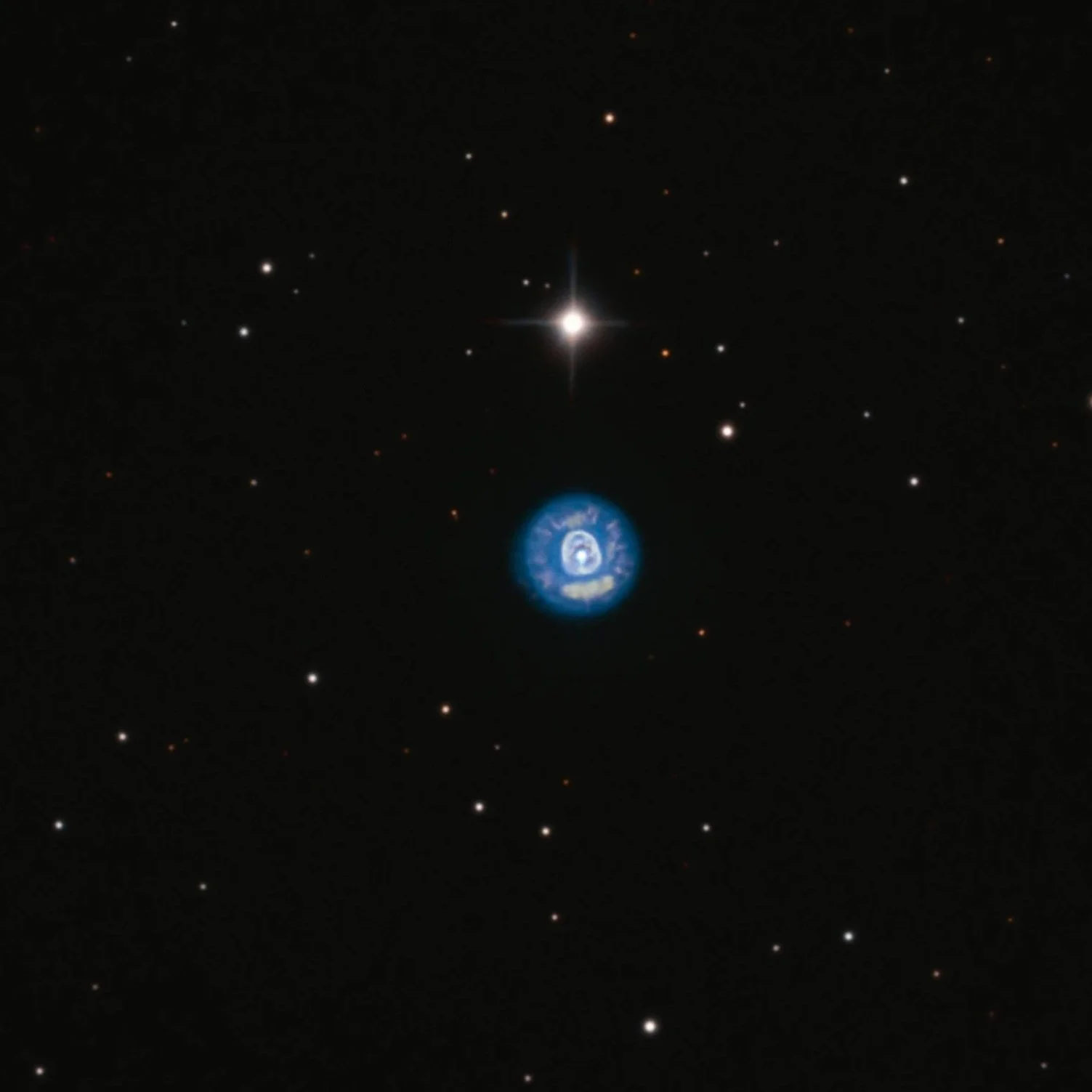
NGC2392 – Eskimo Nebula – processed by Cosmic Captures from Telescope.Live image data
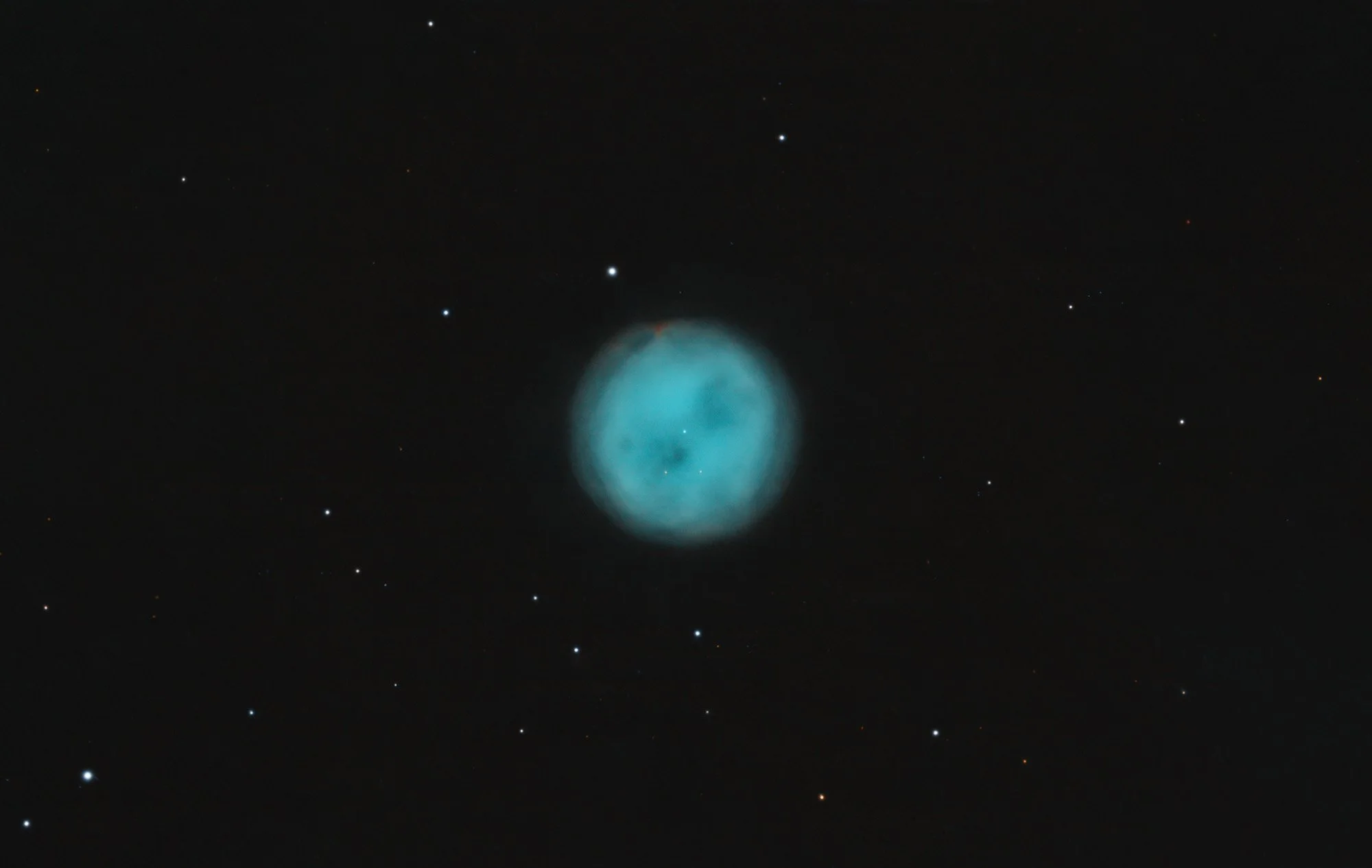
M97 – Owl Nebula – processed by Cosmic Captures from Telescope.Live image data