

Comets — Visitors from the Outer Solar System
Comets are icy bodies that originate in the outer regions of the Solar System. As they approach the Sun, heat causes gas and dust to escape from their surface, forming glowing comas and extended tails that can stretch for millions of kilometers.
Unlike most deep-sky objects, comets move noticeably against the background stars from night to night — and sometimes even within a single imaging session. Capturing both the comet’s structure and the surrounding star field often requires careful planning and specialized processing techniques.
Comets are broadband targets, and dark skies greatly improve visibility of faint dust and ion tails, though brighter comets can sometimes be photographed from suburban locations. Short to medium focal lengths are often well suited, depending on the comet’s apparent size and tail length.
Because comets evolve rapidly, each apparition presents a unique and temporary opportunity.
All comet images in this gallery are based on real exposures captured from Earth. Some images may involve stacking aligned on the comet to preserve tail detail, or combining comet-aligned and star-aligned exposures to represent both accurately.
No artificial tails, enhanced structures, or AI-generated elements have been added. Each image reflects the comet as recorded during its appearance.
Comet 12P/Pons-Brooks – captured with a Sky-Watcher Esprit 100 at f/4.12 with ASI2600MM Pro camera and LRGB filters. Image by Cosmic Captures
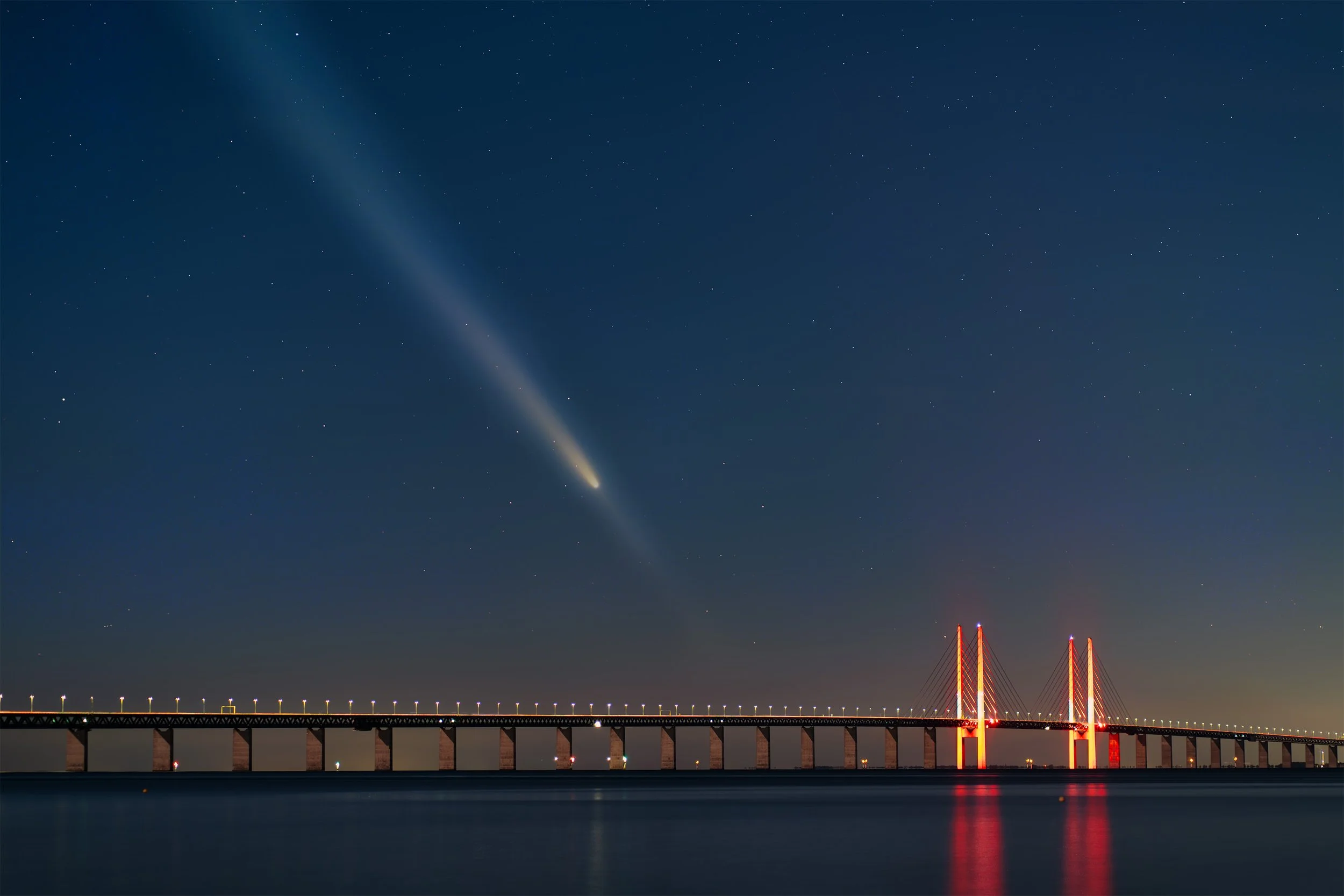
Comet Tsuchinshan–ATLAS above the Öresund Bridge (Sweden) – captured with a Sony A7RIV astromodified camera and a Voigtländer 85mm f1.8 lens. RGB sky with foreground composite. Image by Cosmic Captures

Comet Tsuchinshan–ATLAS above bathing huts in Falsterbo (Sweden) – captured with a Sony A7RIV astromodified camera and a Voigtländer 50mm f2 lens. RGB sky with foreground composite. Image by Cosmic Captures
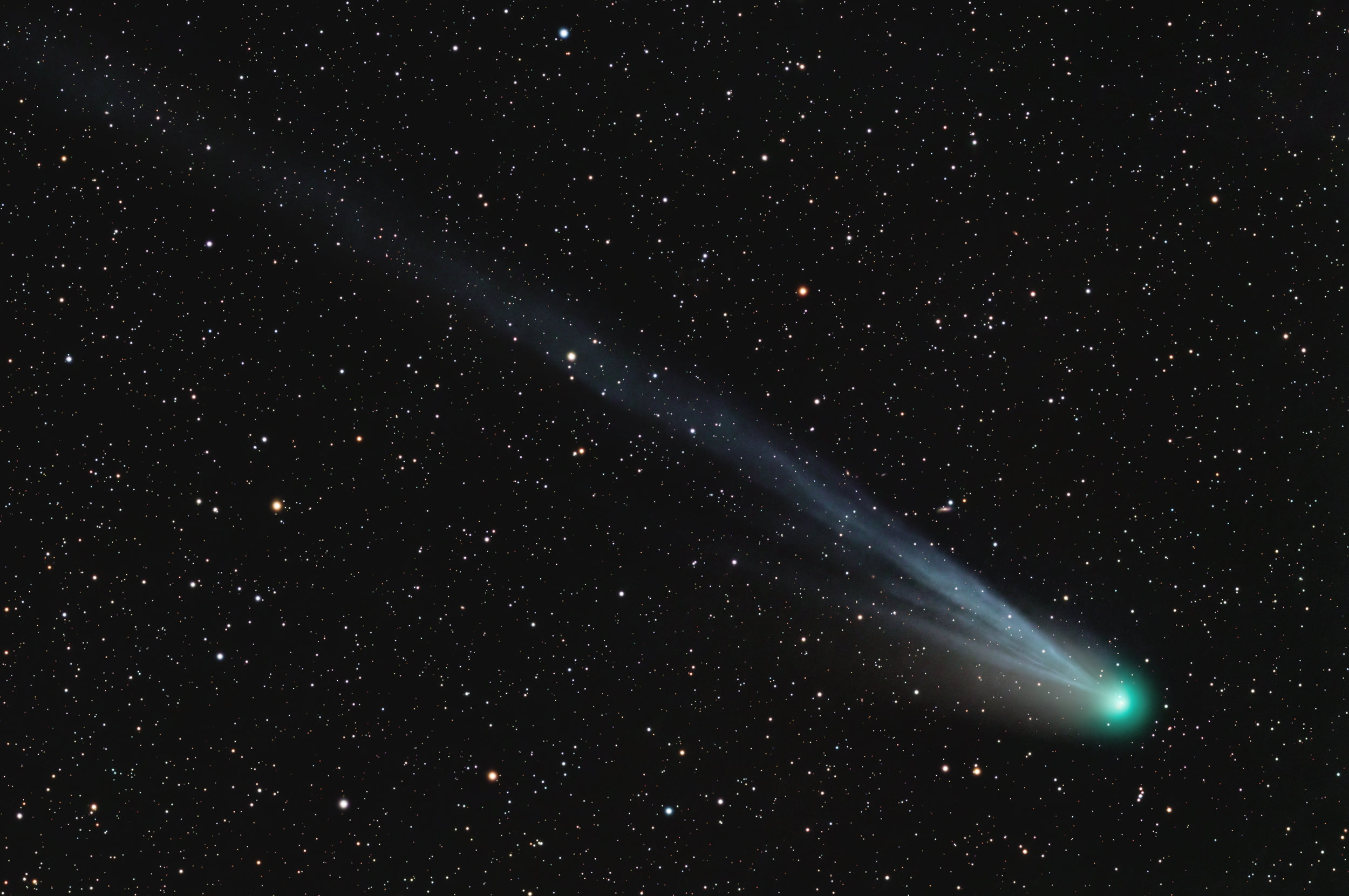
Comet 12P/Pons-Brooks – captured with a Sky-Watcher Esprit 100 at f/4.12 with ASI2600MM Pro camera and LRGB filters. Image by Cosmic Captures
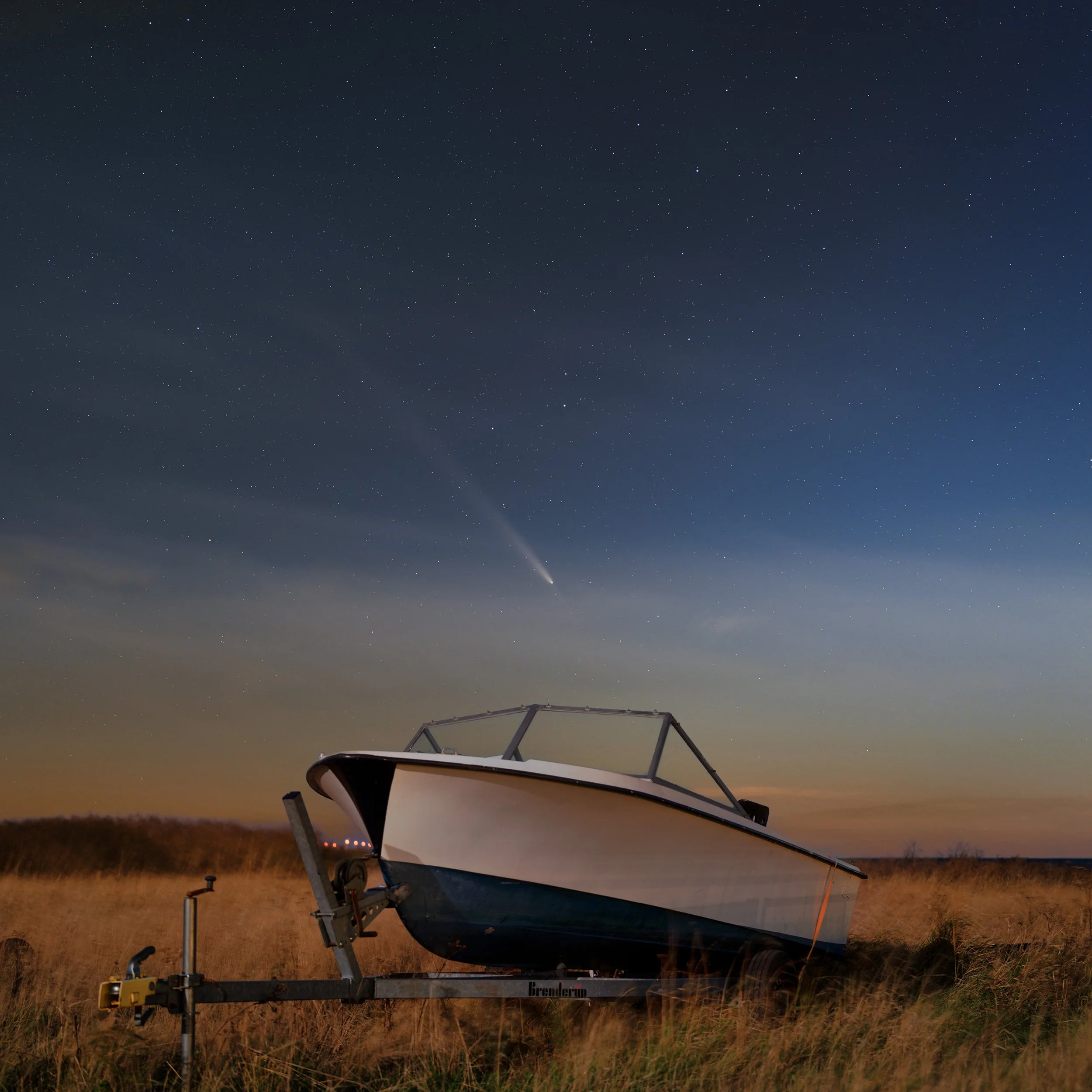
Comet Tsuchinshan–ATLAS and a sea of stars above a boat during a full Moon (Sweden) – captured with a Sony A7RIV astromodified camera and a Voigtländer 50mm f2 lens. RGB sky with foreground composite. Image by Cosmic Captures

Comet Tsuchinshan–ATLAS and the Sandhammaren Lighthouse (Sweden) – captured with a Sony A7RIV astromodified camera and a Sony 85mm f1.8 lens. RGB sky with foreground composite. Image by Cosmic Captures
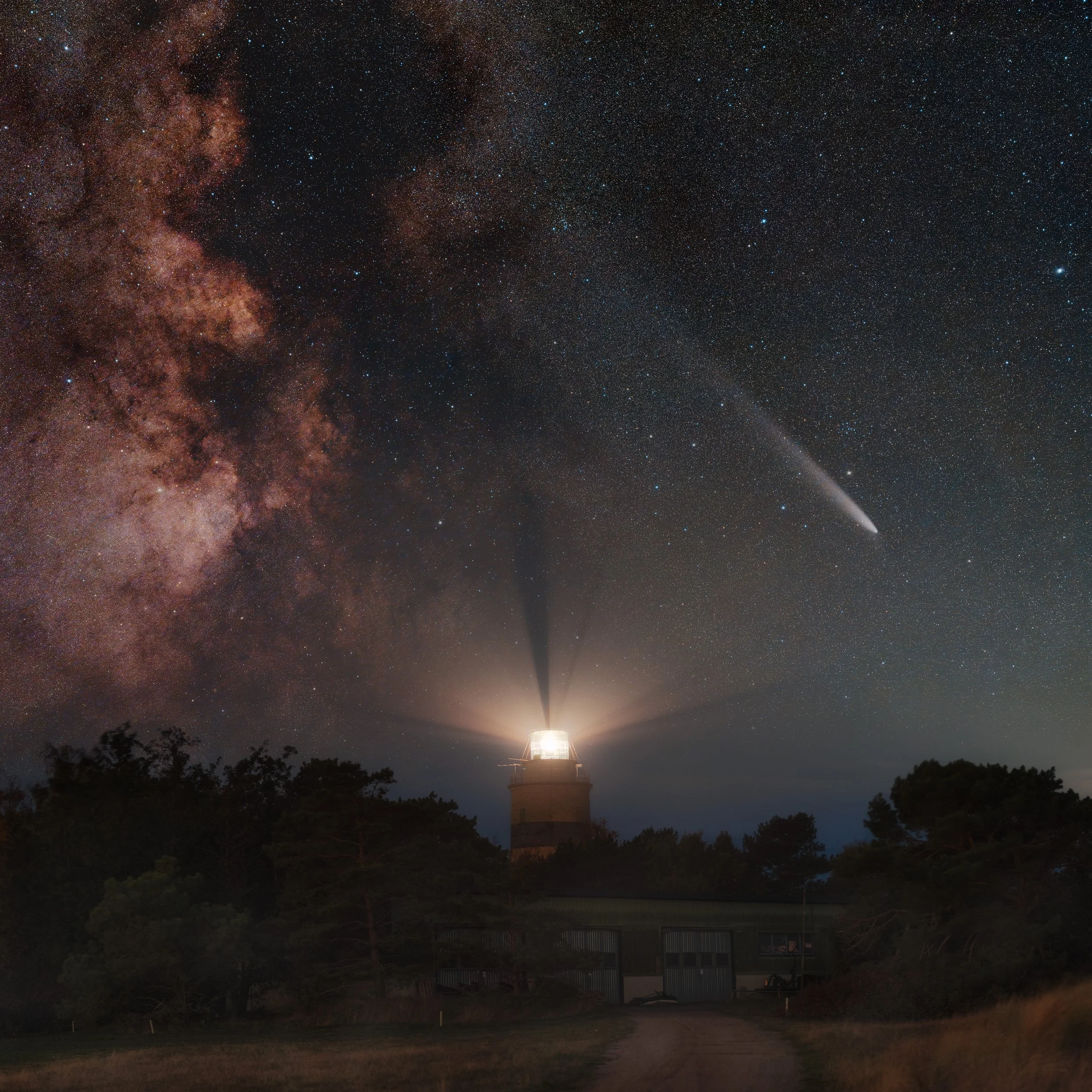
Comet Tsuchinshan–ATLAS above the Falsterbo lighthouse (Sweden) – captured with a Sony A7RIV astromodified camera and a Voigtländer 85mm f1.8 lens. RGB sky with foreground composite. Image by Cosmic Captures
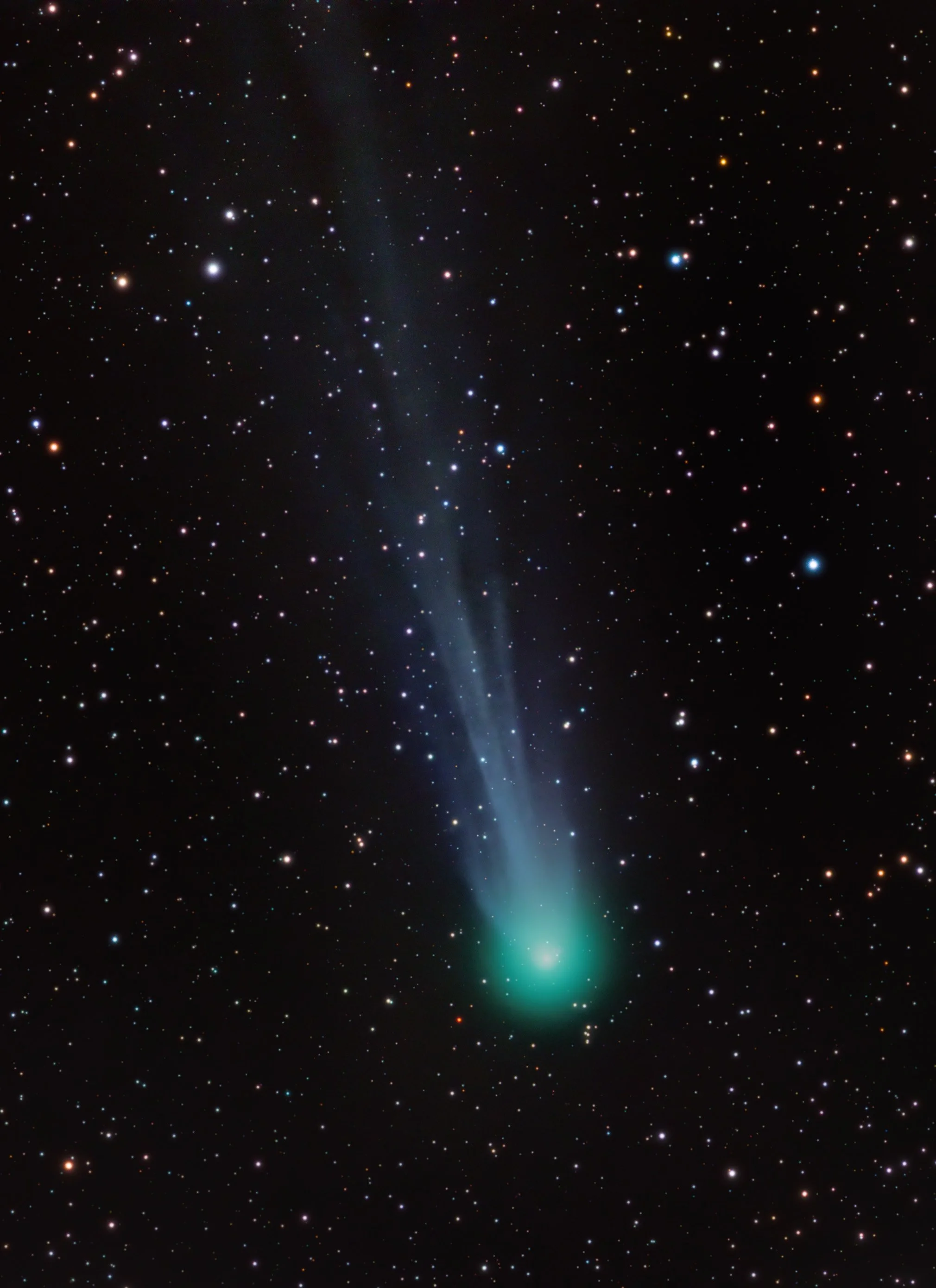
Comet 12P/Pons-Brooks – captured with a Sky-Watcher Esprit 100 at f/4.12 with ASI2600MM Pro camera and LRGB filters. Image by Cosmic Captures
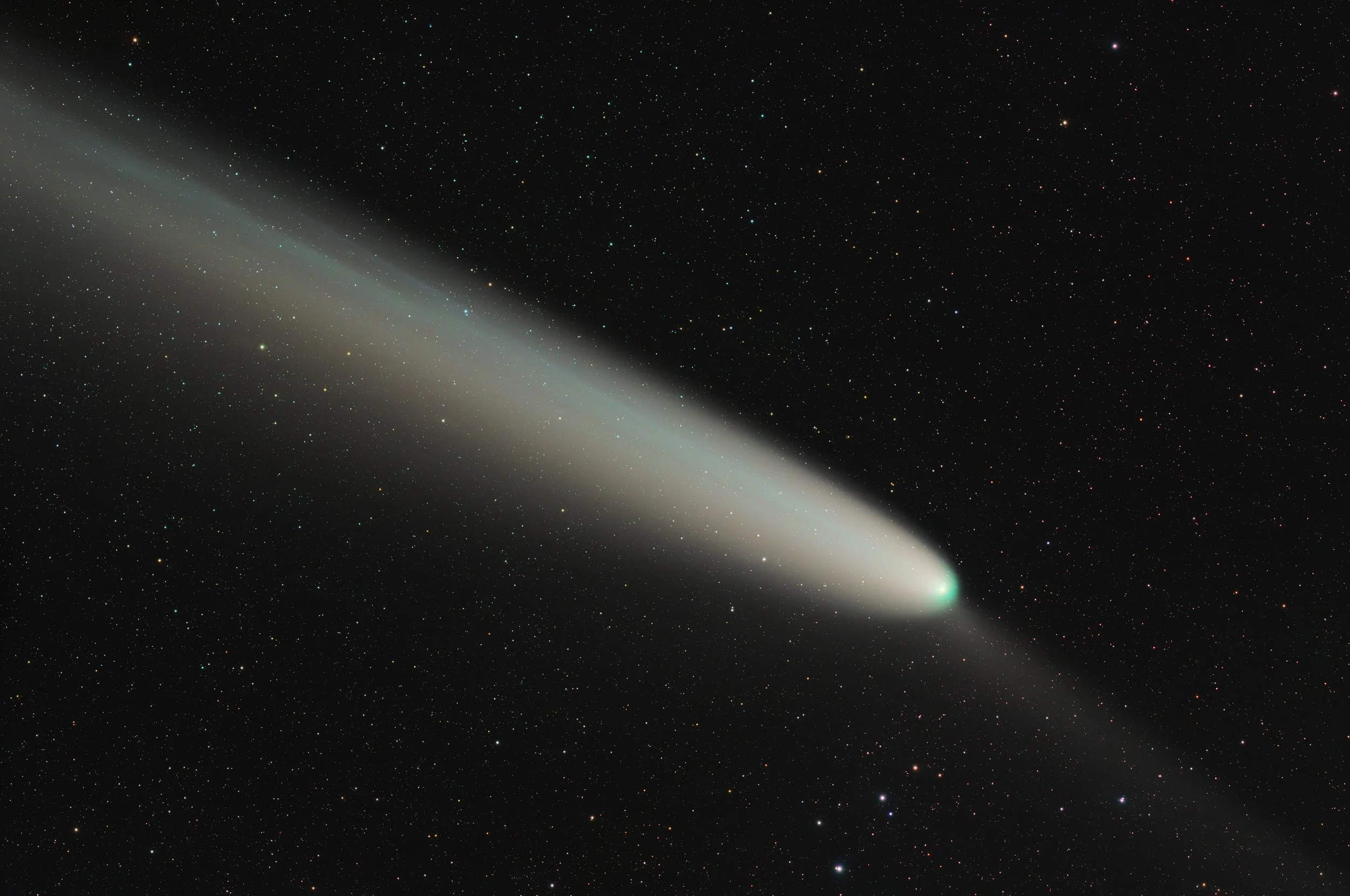
Comet Tsuchinshan–ATLAS – captured with a Sky-Watcher Esprit 100 at f/4.12 with ASI2600MM Pro camera and LRGB filters. Image by Cosmic Captures